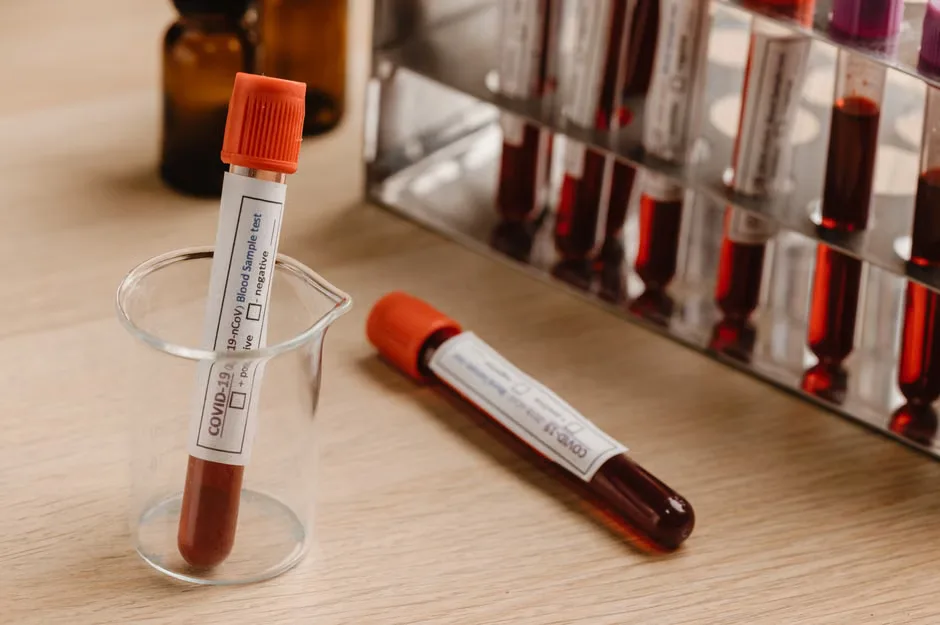
Researchers at the University of North Carolina at Chapel Hill are launching a clinical study to evaluate a blood-based test designed to detect multiple types of cancer at early stages. The trial, led by UNC Lineberger Comprehensive Cancer Center, will assess whether the screening tool can identify cancer signals in asymptomatic individuals before tumors become symptomatic or visible on standard imaging.
The test analyzes fragments of DNA shed by tumors into the bloodstream, known as circulating tumor DNA (ctDNA), along with other molecular markers. Early detection of cancers such as ovarian, pancreatic, and liver — which often lack effective screening methods — could significantly improve survival rates. According to the American Cancer Society, the five-year survival rate for localized cancer is often four times higher than for metastatic disease.
We're moving toward a future where a routine blood draw could uncover cancer long before a patient feels ill, said Dr. Jen Jen Yeh, professor of surgery and pharmacology at UNC School of Medicine and co-lead of the study. This isn't about replacing colonoscopies or mammograms yet, but about adding a powerful tool for cancers we currently catch too late.
The study will enroll participants aged 45 to 75 with elevated risk due to family history, genetic predisposition, or environmental exposures. Researchers will compare the blood test results against standard diagnostic pathways, including imaging and tissue biopsies, to determine sensitivity and specificity. A key goal is minimizing false positives that could lead to unnecessary invasive procedures.
Liquid biopsy technology has advanced rapidly in recent years, with several multi-cancer early detection (MCED) tests showing promise in retrospective studies. However, experts caution that widespread screening requires evidence not only of detection accuracy but also of improved long-term outcomes. The UNC trial aims to contribute data toward that benchmark.
Multi-Cancer Early Detection Screening
Widespread adoption of MCED screening could shift cancer care from treatment of advanced disease to interception at curable stages. Modeling studies suggest that even modestly sensitive tests, if applied annually to eligible populations, could reduce late-stage diagnoses by up to 25% for certain cancers. Public health impact would depend on accessibility, follow-up protocols, and integration into existing preventive care frameworks.Beyond oncology, the technology may inform monitoring for recurrence in cancer survivors. Rising ctDNA levels after treatment can signal relapse months before radiographic changes appear, offering a window for preemptive therapy. Ongoing research also explores applications in tracking therapeutic response and identifying minimal residual disease.
Key questions
- What is a multi-cancer early detection (MCED) blood test?
- An MCED blood test analyzes biological signals in the bloodstream, such as fragments of tumor DNA, to detect signs of multiple cancer types before symptoms develop. These tests aim to identify cancers that lack routine screening options, like ovarian or pancreatic cancer, at earlier, more treatable stages.
- How accurate are current blood tests for detecting multiple cancers?
- Accuracy varies by test and cancer type, but leading MCED assays show sensitivities ranging from 50% to over 70% for certain cancers at high specificity (often >99%). False positives remain a concern, which is why ongoing clinical trials like UNC’s focus on validating both detection performance and real-world impact on patient outcomes.