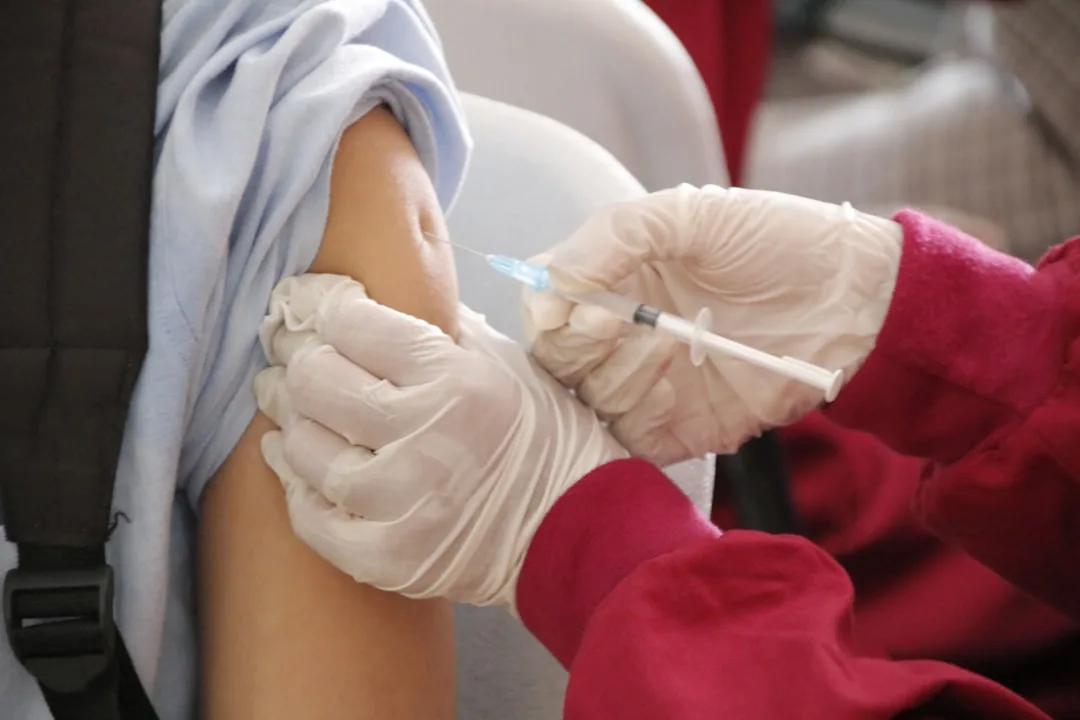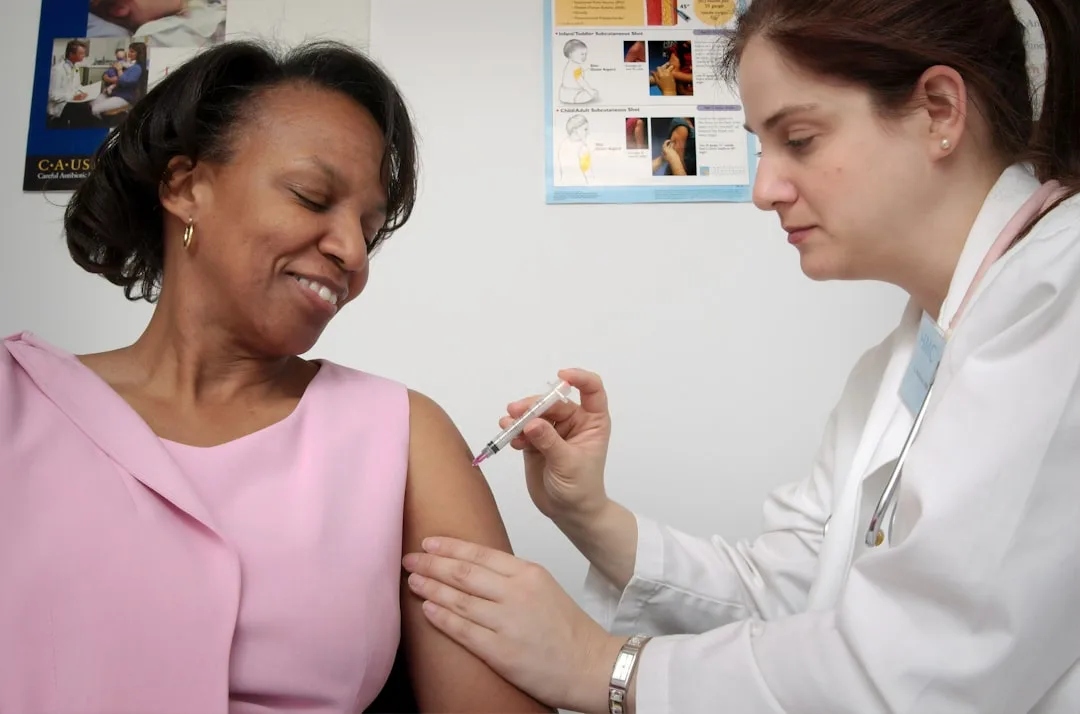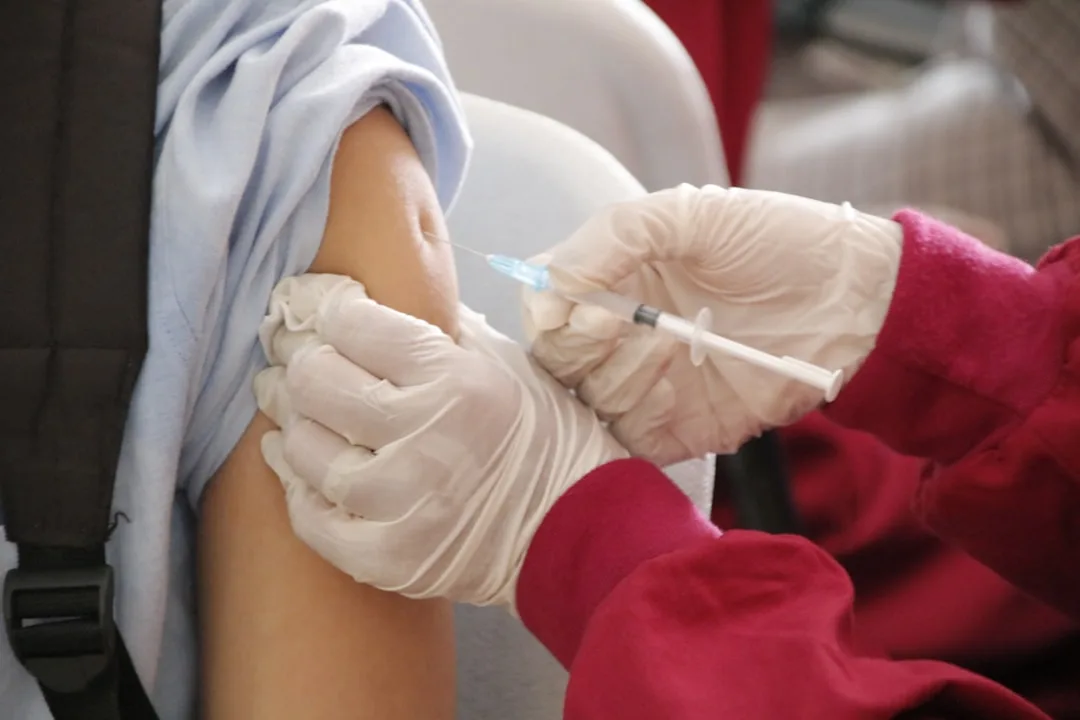
Researchers are conducting clinical trials on experimental vaccines designed to prevent colon cancer by targeting precancerous growths before they turn malignant. The approach focuses on training the immune system to recognize and attack abnormal cells in the colon lining at the earliest detectable stage.
According to the American Cancer Society, colorectal cancer is the third most commonly diagnosed cancer in the United States, with over 150,000 new cases expected in 2024. Early detection through screening has improved outcomes, but prevention remains a major goal in reducing mortality.
Dr. Emily Chen, lead investigator at the National Cancer Institute, stated, These vaccines aim to create immunological memory against proteins expressed in adenomatous polyps, potentially stopping cancer before it begins. The trial includes participants with a history of advanced polyps or hereditary risk syndromes.
The vaccine strategy differs from therapeutic cancer vaccines by focusing on interception rather than treatment. By targeting shared antigens in early lesions, researchers hope to establish long-term immune surveillance in the colon mucosa, reducing the need for repeated surveillance colonoscopies.
If successful, this approach could shift colon cancer management from detection and removal to true prevention, particularly benefiting patients with Lynch syndrome or familial adenomatous polyposis who face lifelong cancer risk.
Colon Cancer Vaccine Mechanism and Immune Response
The vaccines under investigation use viral vector or mRNA platforms to deliver genes encoding tumor-associated antigens found in precancerous cells. This triggers both antibody and T-cell responses designed to patrol the colon tissue and eliminate emerging abnormal cells.
Early-phase trials have shown the vaccines are safe and capable of generating measurable immune responses. Researchers are now monitoring participants for polyp recurrence rates compared to placebo groups, with results expected within the next two to three years.
Key questions
- How do colon cancer vaccines work to prevent cancer?
- These vaccines train the immune system to recognize specific proteins found in precancerous colon polyps. By generating an immune response against these early abnormal cells, the vaccines aim to eliminate them before they can develop into malignant tumors.
- Who is eligible to participate in the current colon cancer vaccine trials?
- Participants typically include individuals with a history of advanced colorectal polyps or those with hereditary conditions like Lynch syndrome or familial adenomatous polyposis that significantly increase colon cancer risk.