Cardiovascular disease, long considered a condition primarily affecting older men, is increasingly diagnosed in women under the age of 45. Recent data from the American Heart Association shows a notable uptick in heart attacks and hypertension among this demographic, particularly in urban populations.
Contributing factors include rising rates of obesity, sedentary lifestyles, and elevated stress levels linked to work-life imbalance. A 2023 study published in Circulation found that hospitalizations for heart attacks in women aged 35–44 rose by 1.3% annually over the past decade, a trend not mirrored in older age groups.
We’re seeing more young women present with advanced cardiac issues because symptoms are often dismissed or misattributed to anxiety or fatigue, said Dr. Lisa Manning, a cardiologist at Johns Hopkins Medicine. Early signs like shortness of breath or chest discomfort are frequently overlooked in primary care settings.
Diagnostic delays remain a critical issue, as traditional screening tools and risk assessment models were largely developed using male-centric data. This gap can result in underestimation of risk in female patients, especially those without classic risk factors like family history.
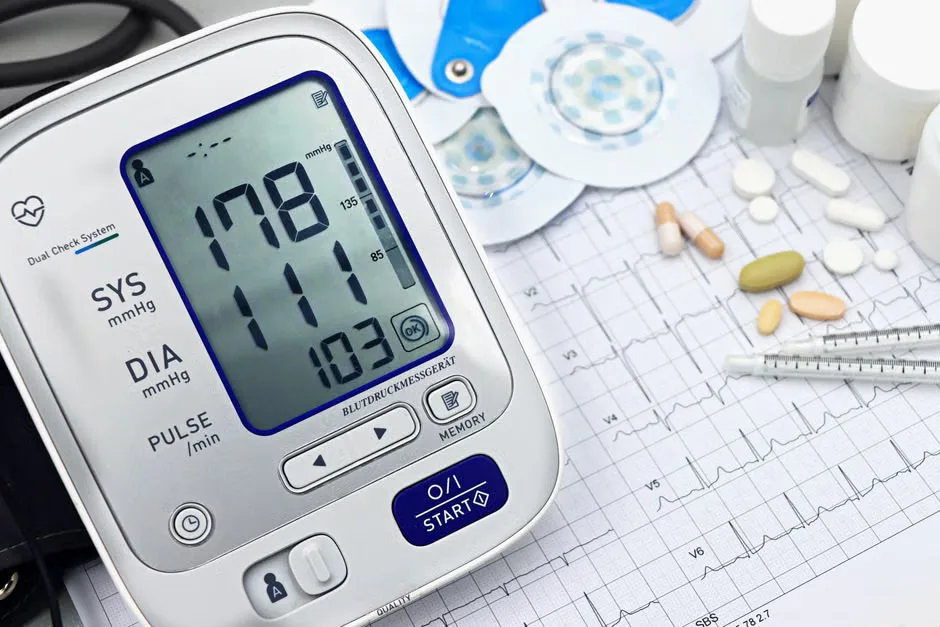
Public health advocates are calling for gender-specific guidelines in cardiovascular prevention and greater awareness campaigns targeting young women. Initiatives promoting regular blood pressure checks, cholesterol screening, and stress management are being piloted in several urban health systems.
Heart Disease Risk in Young Women Requires Urgent Attention
Beyond biological factors, socioeconomic stressors such as financial strain and caregiving responsibilities disproportionately affect women and contribute to chronic inflammation, a known precursor to heart disease. Addressing these root causes requires integrated care models that include mental health and social support services.
Long-term, experts emphasize the need for more inclusive clinical research and updated medical training to ensure early detection. Without intervention, the rising trend could reverse decades of progress in reducing cardiovascular mortality among women.
Key questions
- Why is heart disease increasing among young women?
- Rising rates of obesity, sedentary behavior, and chronic stress are key contributors. Additionally, symptoms in women are often atypical and may be misdiagnosed, leading to delayed treatment and worse outcomes.
- How can young women reduce their risk of heart disease?
- Regular exercise, a balanced diet, stress reduction techniques, and routine screenings for blood pressure and cholesterol are effective preventive measures. Awareness of atypical symptoms like fatigue or nausea is also critical.