A family history of cancer is a significant risk factor for developing the disease, with certain types of cancer being more strongly linked to inherited traits than others. According to the National Cancer Institute, individuals with a first-degree relative diagnosed with breast, ovarian, or colon cancer are at a higher risk of developing these cancers themselves.
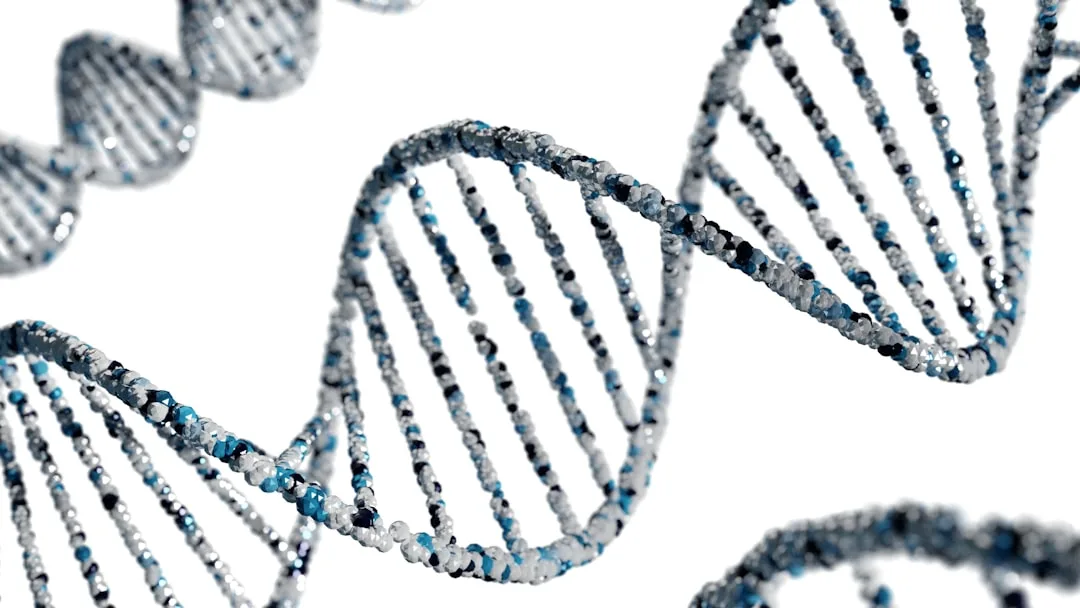
Genetic testing can help identify inherited traits that contribute to cancer risk. For example, BRCA1 and BRCA2 gene mutations are associated with an increased risk of breast and ovarian cancer. Testing for these mutations can provide individuals with a better understanding of their risk and help guide prevention and screening strategies.
However, genetic testing is not a guarantee of cancer risk, and many individuals with a family history of cancer will not develop the disease. Lifestyle factors, such as diet and exercise, can also play a role in cancer risk, and making healthy choices can help mitigate this risk.
Researchers are working to better understand the connection between inherited traits and cancer risk, and new genetic testing technologies are being developed to help identify individuals at high risk. In the meantime, individuals with a family history of cancer should discuss their risk with a healthcare provider and consider genetic testing as part of a comprehensive cancer risk assessment.
Family Cancer History and Genetic Testing
While a family history of cancer is a significant risk factor, genetic testing can help identify inherited traits that contribute to this risk. By understanding the connection between inherited traits and cancer risk, individuals can make informed decisions about their health and take steps to reduce their risk.
Genetic testing is not a guarantee of cancer risk, and many individuals with a family history of cancer will not develop the disease. However, testing can provide individuals with a better understanding of their risk and help guide prevention and screening strategies.
Key questions
- What is the connection between family cancer history and individual risk?
- A family history of cancer is a significant risk factor for developing the disease, with certain types of cancer being more strongly linked to inherited traits than others.
- Can genetic testing identify inherited traits that contribute to cancer risk?
- Yes, genetic testing can help identify inherited traits that contribute to cancer risk, such as BRCA1 and BRCA2 gene mutations.