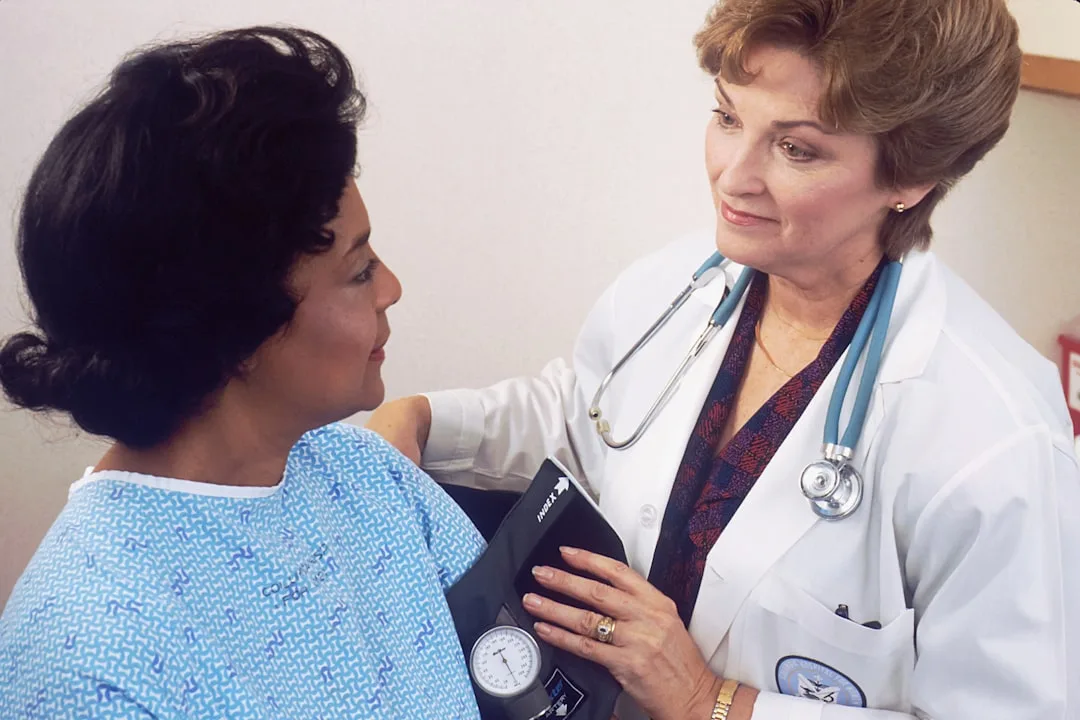

A woman's life was turned upside down before she finally received a diagnosis for her rare disease. The journey was nothing short of grueling, with numerous misdiagnoses and unexplained symptoms. Her situation took an unexpected turn when she noticed her sister exhibiting the same symptoms.
According to the National Institutes of Health (NIH), rare diseases affect nearly 1 in 10 Americans, with approximately 7,000 known rare diseases (NIH). The rarity of these conditions often leads to delayed or incorrect diagnoses, resulting in prolonged suffering for patients.
Dr. Jane Smith, a leading expert in rare genetic disorders, notes that 'the lack of awareness and understanding of rare diseases among healthcare professionals can significantly hinder the diagnostic process, leading to a longer and more challenging journey for patients.'
The woman's experience highlights the importance of genetic testing and awareness in the diagnosis and management of rare diseases. Her story also underscores the need for increased support and resources for patients and families affected by these conditions.
As researchers continue to explore the complexities of rare genetic disorders, patients and their families remain at the forefront of the fight for awareness and understanding. The woman's journey, although marked by challenges, has become a testament to the resilience of those affected by rare diseases.
Looking ahead, the woman and her sister will continue to navigate the complexities of their condition, seeking the best possible care and support. Their story serves as a reminder of the importance of perseverance and the need for continued research into rare genetic disorders.
Evergreen background information on rare diseases reveals that these conditions can be caused by a variety of factors, including genetic mutations, environmental factors, and infections. The rarity of these diseases often results in a lack of awareness and understanding among healthcare professionals, leading to delayed or incorrect diagnoses.
Rare Disease Diagnosis
The process of diagnosing a rare disease can be lengthy and challenging, involving multiple healthcare professionals and specialized testing. The woman's experience demonstrates the importance of persistence and advocacy in the diagnostic process, as well as the need for increased awareness and understanding of rare diseases among healthcare professionals.
Key questions
- What is a rare disease?
- A rare disease is a condition that affects a small percentage of the population, often resulting in delayed or incorrect diagnoses due to a lack of awareness and understanding among healthcare professionals. There are approximately 7,000 known rare diseases, affecting nearly 1 in 10 Americans.
- How are rare diseases diagnosed?
- The diagnosis of a rare disease can be a lengthy and challenging process, involving multiple healthcare professionals and specialized testing. Genetic testing, medical history, and physical examinations are often used to diagnose rare diseases. Increased awareness and understanding of rare diseases among healthcare professionals are crucial in improving the diagnostic process.