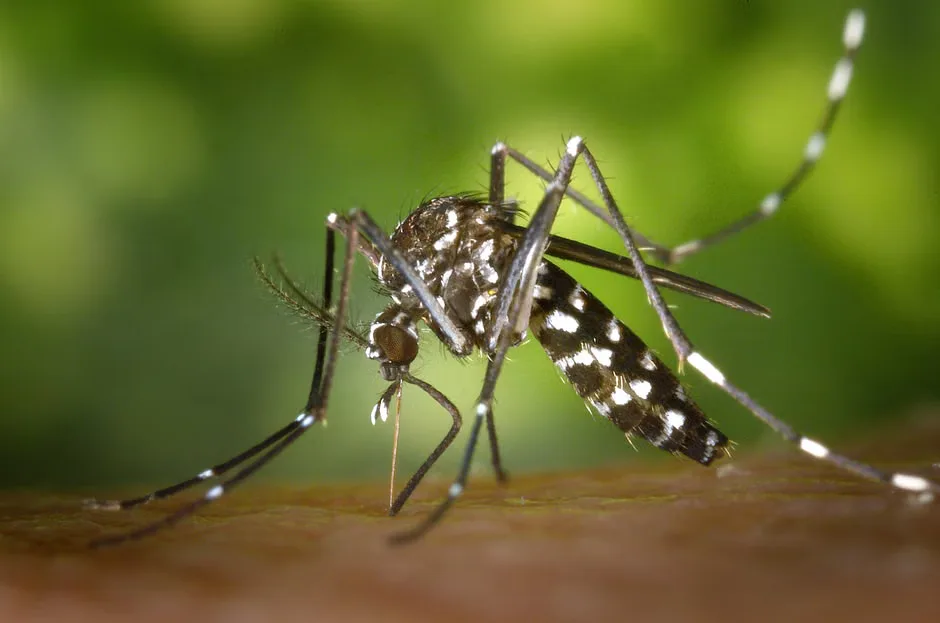
A Virginia resident has contracted the state's first locally acquired case of dengue fever, according to health officials. The individual, who has not been named, is believed to have contracted the virus through a mosquito bite in Northern Virginia.
Dengue fever is a mosquito-borne illness that is typically found in tropical and subtropical regions. It is characterized by symptoms such as high fever, severe headache, and pain behind the eyes.
The Virginia Department of Health (VDH) is investigating the case and working to determine the source of the virus. In the meantime, residents are advised to take precautions to prevent mosquito bites, such as wearing insect repellent and covering exposed skin.
The VDH has confirmed that the individual is receiving medical treatment and is in stable condition.
Dengue Fever: A Growing Concern
Dengue fever is a significant public health concern, particularly in areas where the mosquito population is high. The virus can be spread through the bite of an infected mosquito, and symptoms can range from mild to severe.
The VDH is working to educate the public about the risks of dengue fever and the importance of taking precautions to prevent mosquito bites. Residents are advised to take steps to prevent mosquito breeding, such as eliminating standing water and using mosquito repellent.
The investigation into the locally acquired case of dengue fever is ongoing, and the VDH will continue to provide updates as more information becomes available.
Key questions
- What is dengue fever?
- Dengue fever is a mosquito-borne illness that is typically found in tropical and subtropical regions. It is characterized by symptoms such as high fever, severe headache, and pain behind the eyes.
- How is dengue fever spread?
- Dengue fever is spread through the bite of an infected mosquito. The virus can be transmitted to humans through the bite of an infected Aedes species mosquito.