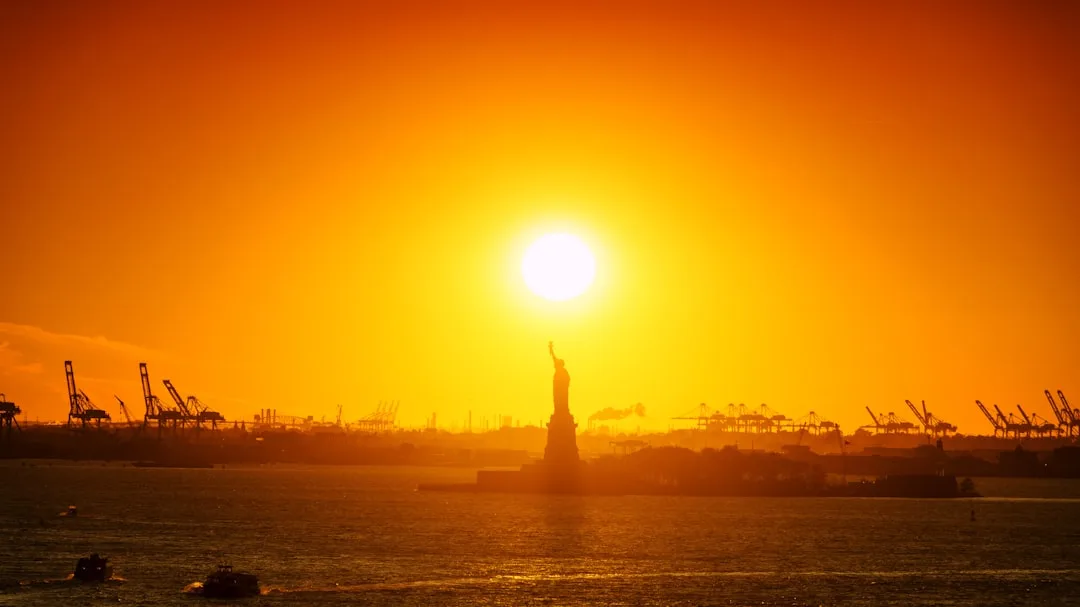

The World Cup final weather is projected to be clear and mostly sunny for the championship match. Recent storm systems have effectively scrubbed the atmosphere, removing the dense haze caused by Canadian wildfire smoke.
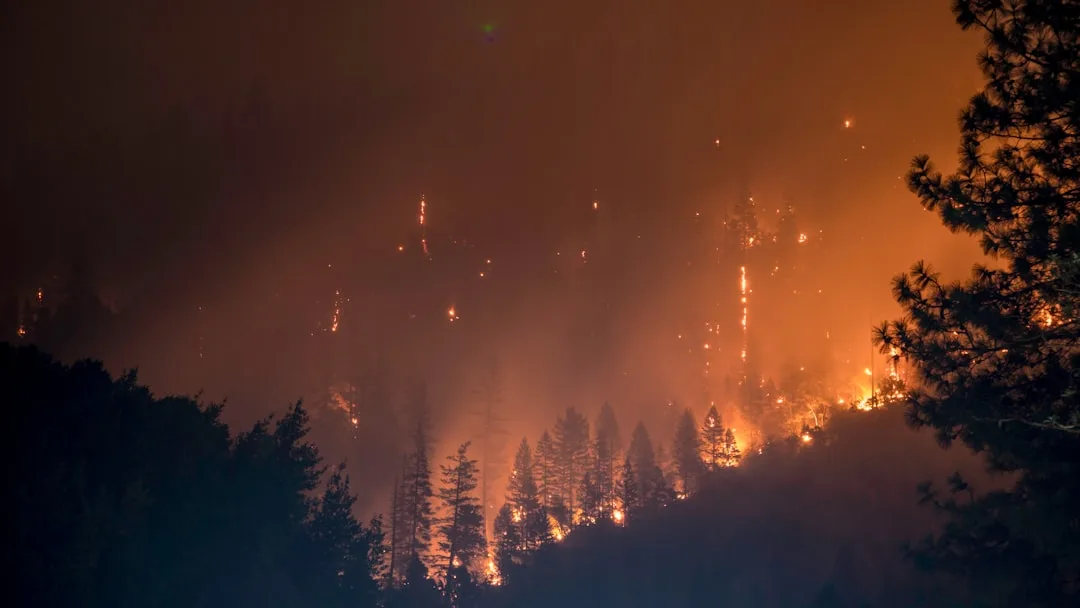
For several weeks, air quality in the region had been compromised by drifting particulates from northern forests. According to environmental monitoring data, particulate matter levels often spiked above 150 AQI during peak smoke events (Environmental Protection Agency), creating visibility issues and health warnings for the general public.
Meteorologists reported that the arrival of the storm front acted as a natural cleanser for the region's air, pushing the pollutants far to the east and restoring visibility.
The shift in atmospheric pressure has created a stable window of high pressure over the host city. This stability prevents new pollutants from settling over the stadium, ensuring optimal visibility for players, officials, and the millions of spectators watching globally. The absence of smoke allows for better light penetration, which is ideal for high-definition broadcasting and photography.
Such weather patterns are critical for high-stakes sporting events where air quality can directly impact athlete performance. The removal of smoke reduces respiratory strain and improves oxygen intake, allowing for peak physical exertion during the final. When air quality is poor, athletes often experience faster fatigue and decreased lung capacity, making this clear forecast a significant advantage for the competitors.
Forecasters expect these sunny conditions to persist through the weekend, providing a consistent environment for the closing ceremonies and trophy presentation. There is little risk of precipitation during the match window, though temperatures are expected to remain moderate and comfortable for the crowd.
Canadian wildfires have become increasingly frequent and intense due to rising global temperatures and prolonged drought conditions in boreal forests. These events send plumes of smoke thousands of miles, affecting air quality across North America and beyond. The interaction between these wildfires and regional weather patterns continues to be a primary focus for climate scientists studying atmospheric circulation.
Optimizing the World Cup Final Weather Forecast
The transition from smoky skies to clear conditions is a result of wet deposition, where rain washes particles out of the air. This process is essential for restoring urban air quality after major wildfire events. As the World Cup final approaches, the combination of low humidity and clear skies will likely create a visually stunning backdrop for the event. Fans traveling to the venue can expect an unobstructed view of the city skyline and a significantly improved breathing environment compared to the previous fortnight.
Stadium officials have noted that the improved weather reduces the need for air filtration adjustments within the facility. With the atmospheric pressure remaining steady, the likelihood of sudden weather shifts remains low, allowing for a seamless operational flow for both the athletes and the event staff.
Key questions
- How did the weather clear for the World Cup final?
- Recent storm systems moved through the region, scrubbing the air of Canadian wildfire smoke. This resulted in clear and mostly sunny skies for the event.
- Why is air quality important for the World Cup final?
- Clear air ensures optimal visibility for players and broadcasters. It also prevents respiratory strain for athletes, allowing them to perform at their peak physical capacity.