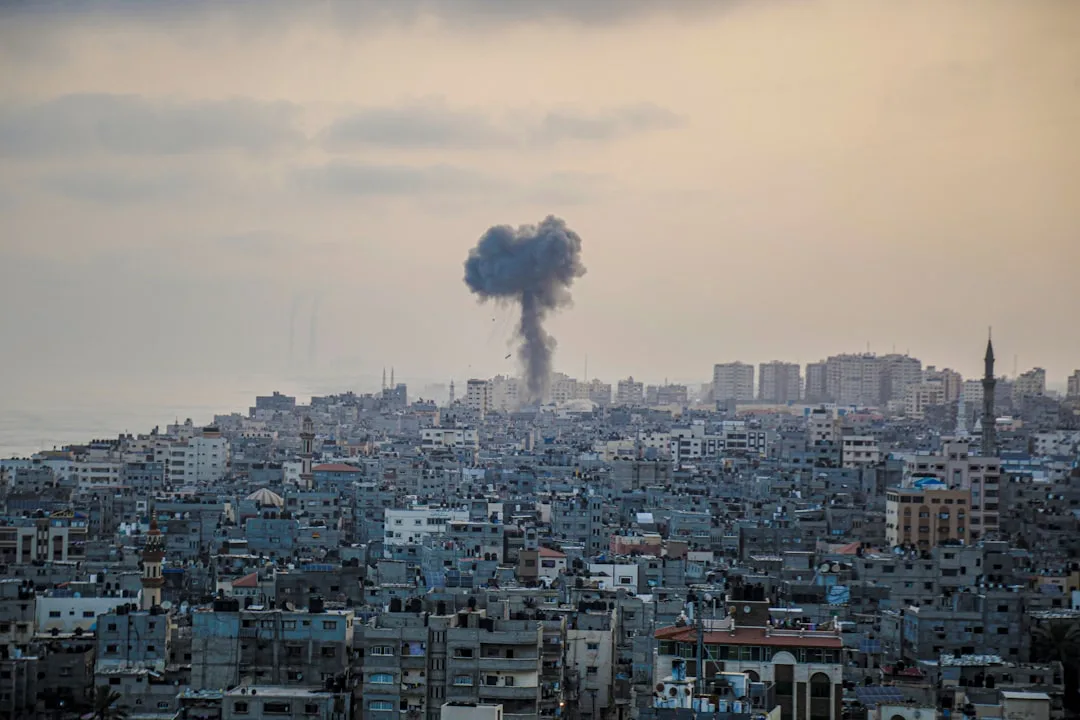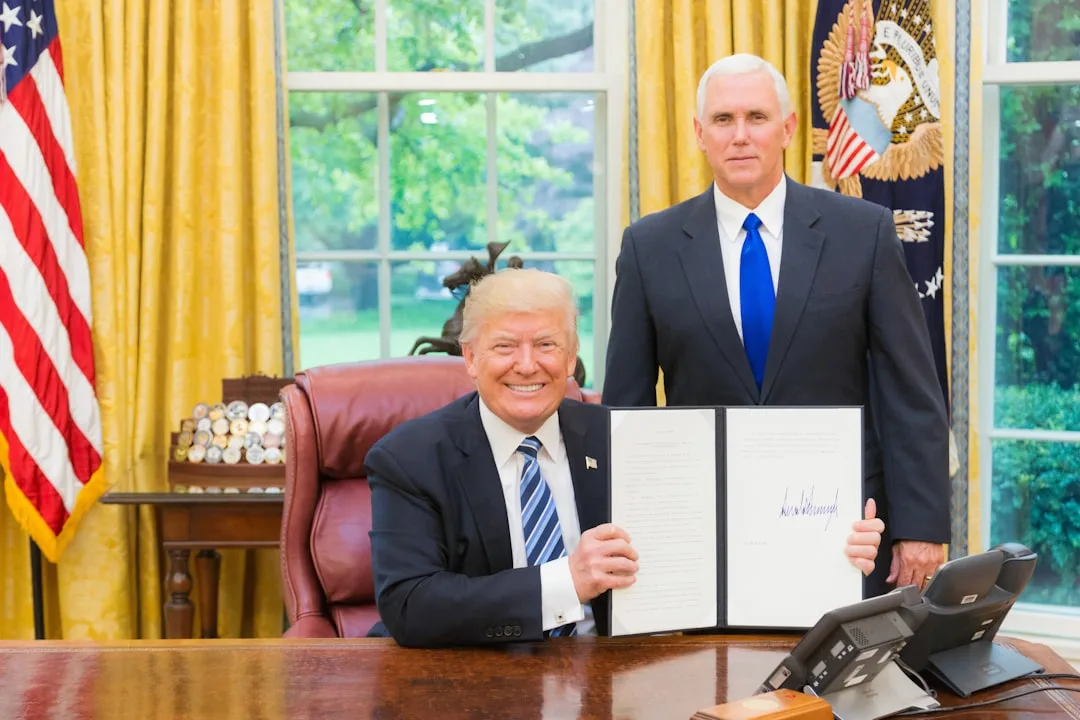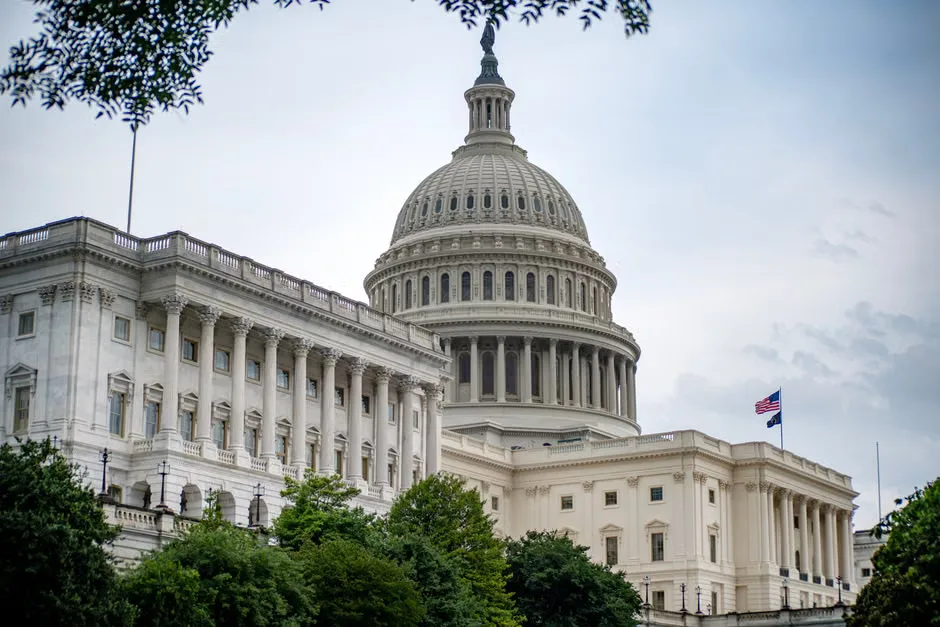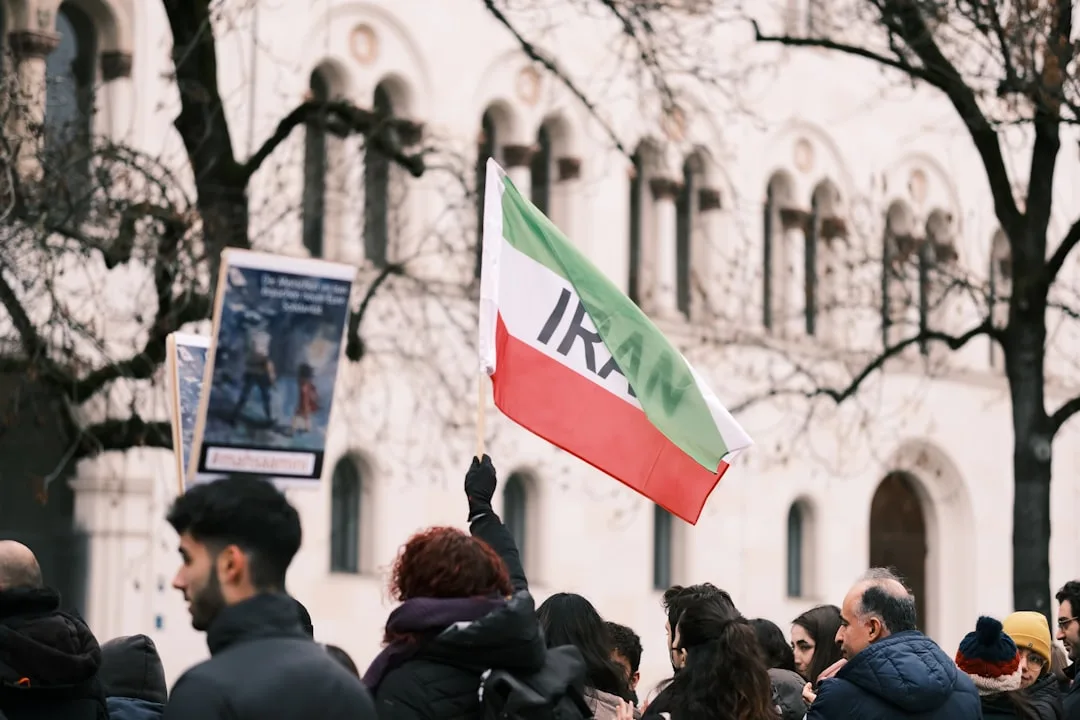
Donald Trump has formally informed Congress of renewed U.S. military action involving Iran, a step that immediately sharpened scrutiny of presidential war powers and the legal basis for any expanded operation.
The notification, sent to congressional leaders, is a required part of the reporting process when the executive branch introduces U.S. forces into hostilities or into situations where hostilities appear likely. While such notices do not require advance approval from lawmakers, they often serve as the opening point for broader debate over the scope, duration and objectives of military action.
The move places Iran policy back at the center of Washington’s national security agenda. It also revives long-running tensions between the White House and Congress over how much authority a president can exercise without explicit authorization from lawmakers.
War powers questions return to the forefront
At issue is the War Powers Resolution, which requires the president to notify Congress within 48 hours of certain military actions and generally limits sustained engagement without authorization. Presidents of both parties have often argued that Article II powers under the Constitution give the commander in chief broad latitude to protect U.S. personnel and interests.
Lawmakers from both parties have, at different times, pushed back against that interpretation, especially when operations risk widening into prolonged conflict. Any renewed action involving Iran is likely to intensify those concerns, given the possibility of retaliation across the region and the broader stakes for U.S. allies, energy markets and regional stability.
Congressional leaders are now expected to seek classified briefings and further explanation about the goals of the operation, the intelligence supporting it and whether administration officials believe additional military steps may follow. Depending on the scale of the action, lawmakers could pursue resolutions of support, attempts to limit funding or fresh demands for a vote on authorization.
Political and regional implications
The formal notice also carries political weight. Iran has long been a flashpoint in U.S. politics, with debates often centering on deterrence, diplomacy and the risk of escalation. Supporters of a tougher posture have argued that credible military action is necessary to deter attacks and project strength. Critics have warned that even limited strikes can trigger a cycle of retaliation with uncertain consequences.
Foreign policy analysts will be watching closely for signs of how Tehran responds and whether regional partners move to raise their own alert levels. Markets may also react if investors perceive a heightened threat to shipping lanes, oil infrastructure or U.S. troop positions in the Middle East.
For Congress, the immediate challenge is balancing oversight with the speed at which military crises can develop. For the administration, the test will be whether it can persuade lawmakers and the public that any action is narrowly tailored, legally justified and tied to a clear strategic objective.
With the formal notification now delivered, attention shifts from the procedural step itself to the larger questions it raises: how far the United States intends to go, what legal authority it is relying on and whether Congress will seek a stronger role in shaping the next phase of policy toward Iran.
Key questions
- Why does a president notify Congress about military action?
- Under the War Powers Resolution, the president must report to Congress when U.S. forces are introduced into hostilities or situations where hostilities appear imminent.
- Does notifying Congress mean lawmakers approved the action?
- No. A formal notification informs Congress but does not by itself constitute congressional authorization or approval for a prolonged military campaign.