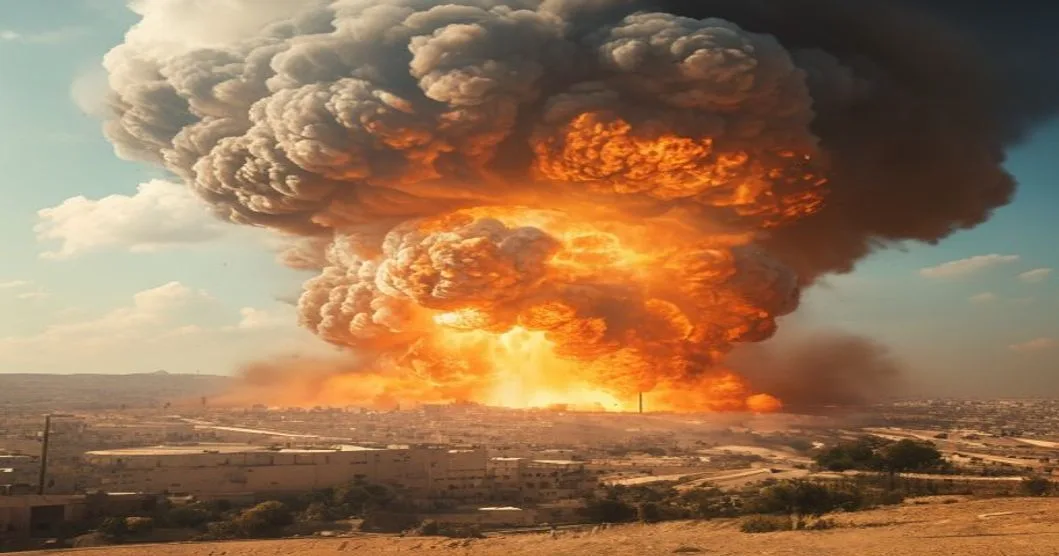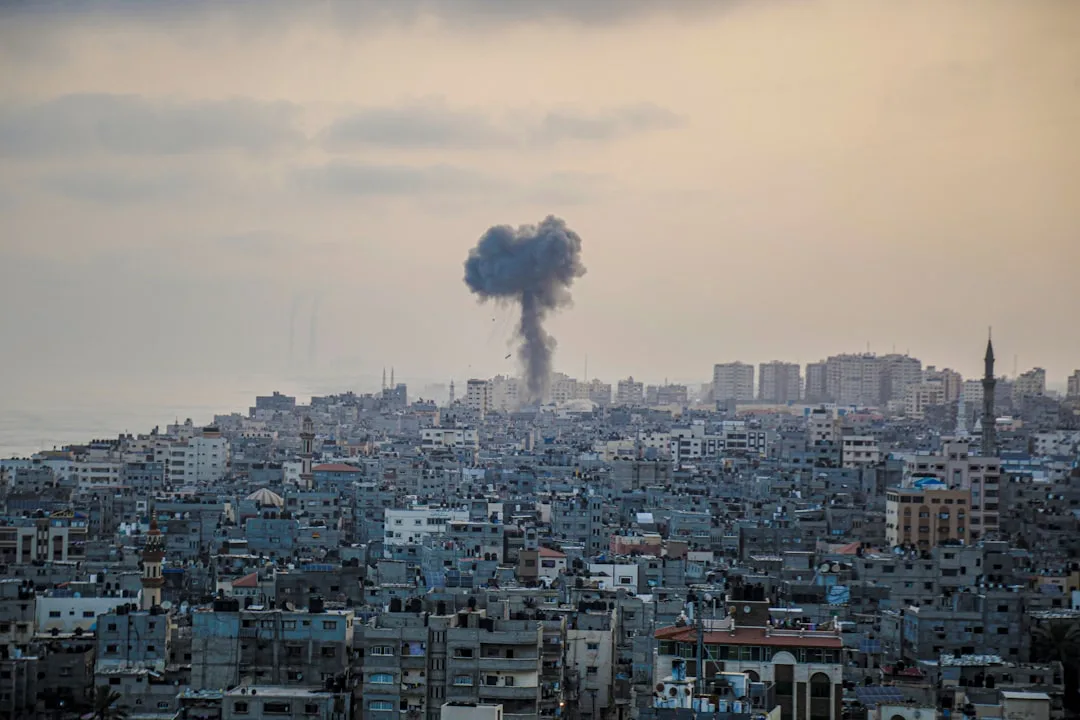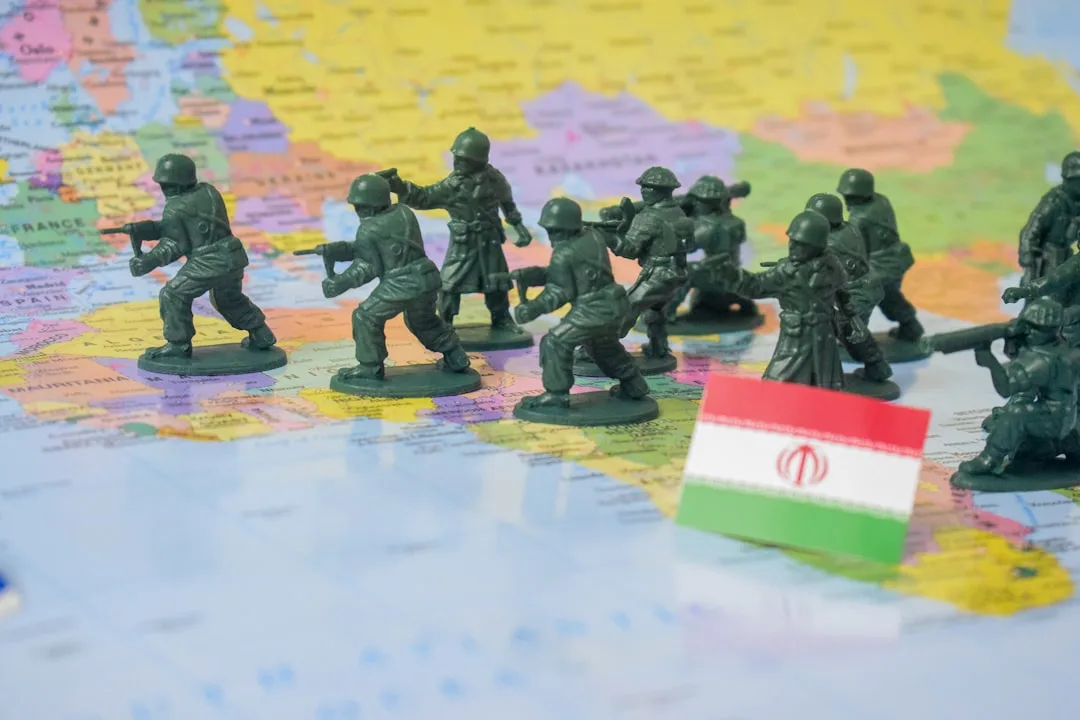
President Trump announced that the Iran ceasefire is over, directing the military to increase strikes on Iran’s coastline along the Strait of Hormuz.
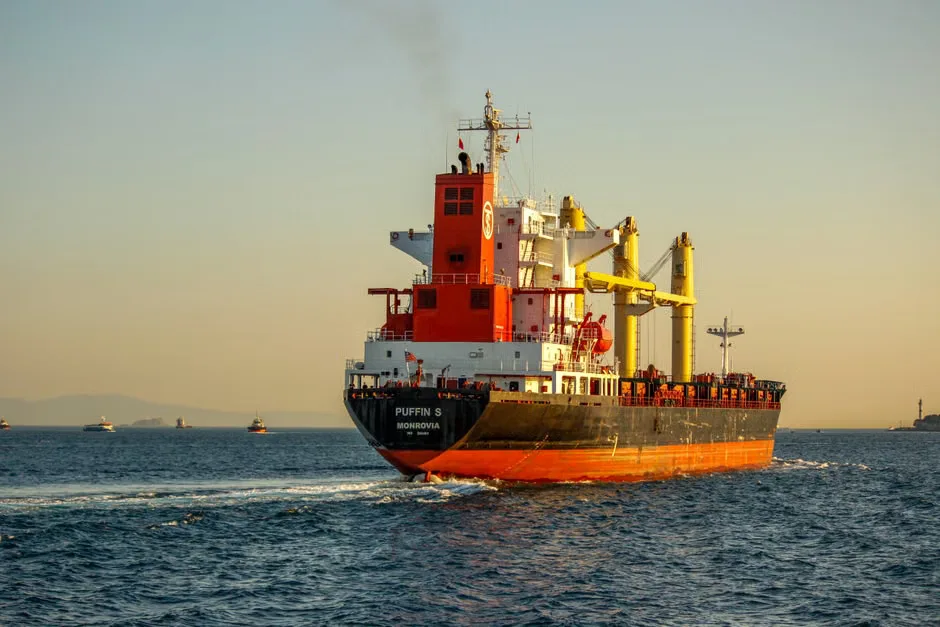
The move follows weeks of rising tensions, with oil shipments through the waterway seeing a 12% decline according to the International Energy Agency.
Defense Secretary Lloyd Austin said, "We will defend freedom of navigation and ensure the safe passage of energy supplies through this critical chokepoint."
Analysts warn that the escalation could provoke a broader regional conflict, potentially drawing in neighboring states reliant on Hormuz for trade.
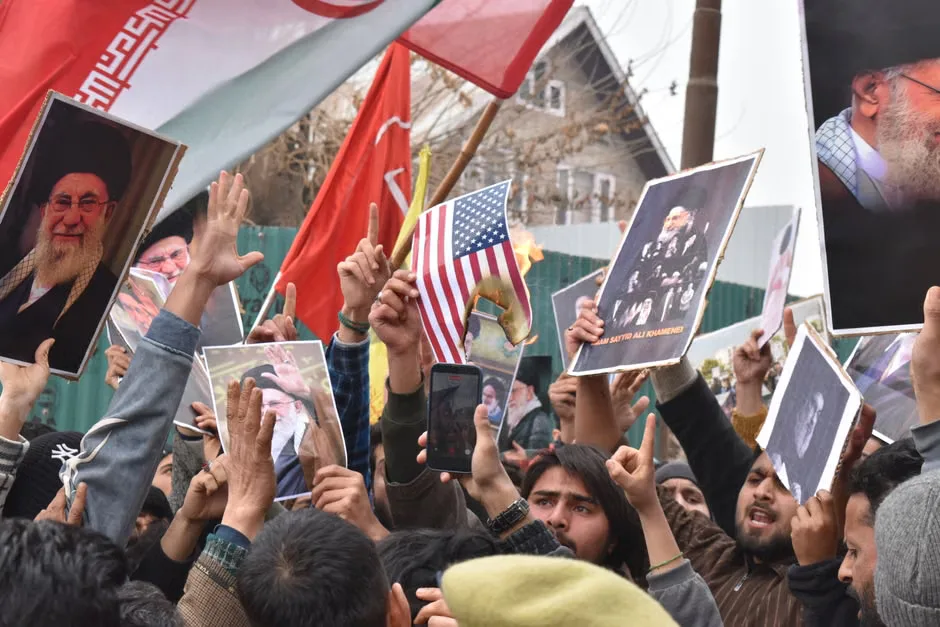
Iran’s foreign ministry condemned the strikes as a violation of international law and warned of retaliatory measures against U.S. interests in the Gulf.
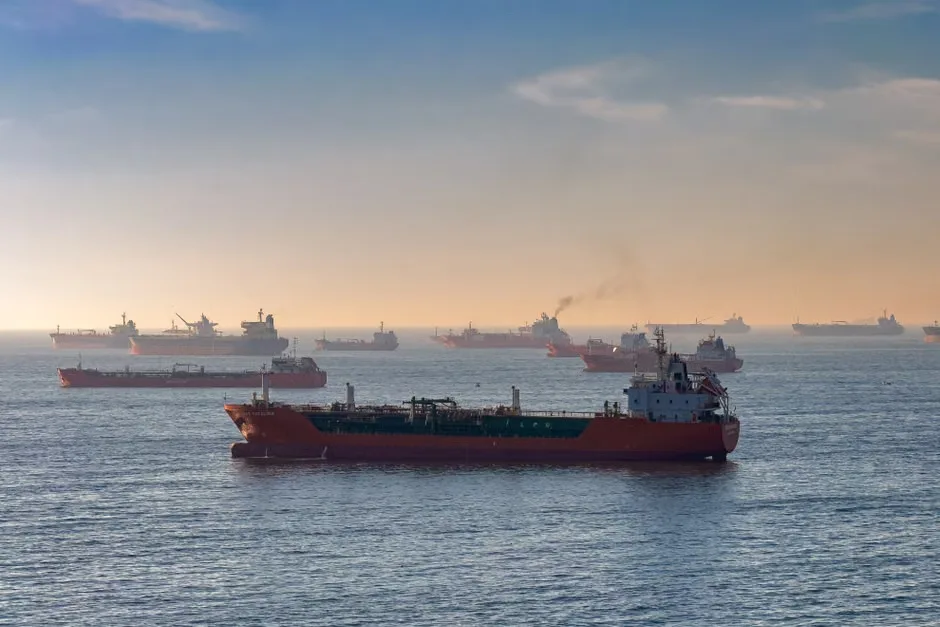
The Strait of Hormuz remains a linchpin of global energy markets, with roughly 20% of worldwide oil consumption transiting its waters each day.
Strait of Hormuz Battle Intensifies After Trump Declaration
Looking ahead, the U.S. plans to maintain a heightened naval presence while diplomatic channels remain open to de‑escalate the situation.
Historically, any disruption in Hormuz has triggered sharp spikes in global oil prices, underscoring the strategic importance of keeping the passage open.