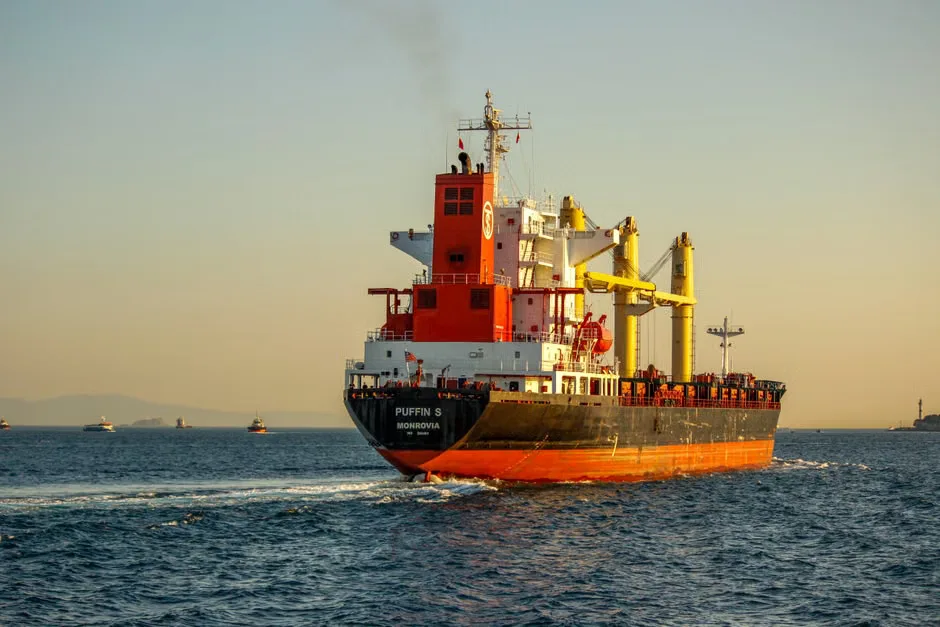
The United States is seeking a commitment from Iran to stop firing on or otherwise targeting ships in and around the Strait of Hormuz, a narrow but vital waterway at the center of renewed diplomatic talks set to resume Saturday in Oman.
Vice President JD Vance is among U.S. officials expected to take part in the negotiations, according to the BBC. The talks come as Washington looks for assurances on maritime security in one of the world’s most important shipping corridors, where disruptions can quickly affect energy markets and broader regional stability.
The Strait of Hormuz links the Persian Gulf with the Gulf of Oman and the Arabian Sea. Tankers carrying oil and liquefied natural gas pass through the channel daily, making it a strategic chokepoint for global trade. Any escalation involving commercial vessels can raise insurance costs, slow deliveries and increase pressure on oil prices.
Oman plays mediator role
Oman has often served as a diplomatic bridge between Iran and Western governments, hosting sensitive discussions that can be difficult to hold publicly. The resumption of talks there suggests both sides are leaving room for negotiation, even as major disputes remain over security, sanctions and Iran’s regional role.
U.S. officials have not publicly outlined the full terms they are seeking, but the central demand described in the report is a clear Iranian pledge to end attacks on ships in the strait. It was not immediately clear what verification measures, enforcement steps or reciprocal actions may be under discussion.
Iran has previously accused the U.S. and its allies of militarizing the Gulf and has said it has the right to defend its security interests. Washington, meanwhile, has repeatedly warned that threats to commercial shipping are unacceptable and has worked with partners to maintain naval patrols and protect transit routes.
The negotiations are taking place against a backdrop of persistent tensions across the Middle East. Incidents involving tankers, drones, missiles and vessel seizures have drawn international concern in recent years, especially when linked to broader disputes involving Iran, Israel, Gulf states and U.S. forces in the region.
High stakes for energy markets
For the United States and its allies, keeping the Strait of Hormuz open is a core economic and security priority. Even the perception of increased risk in the channel can move markets, particularly when global supplies are tight or conflict fears are already elevated.
The expected participation of Vance signals that the White House is placing significant weight on the talks. Still, a pledge alone may not settle deeper disagreements between Washington and Tehran. Diplomats will likely have to address how any commitment would be monitored and what consequences would follow if shipping is targeted again.
The next round in Oman is expected to test whether both governments can narrow their differences enough to reduce the threat to vessels without a broader regional deal. For shippers, energy traders and governments watching the Gulf, the immediate question is whether diplomacy can produce a practical reduction in risk at sea.
Key questions
- Why is the Strait of Hormuz important?
- The Strait of Hormuz is a major global energy chokepoint connecting the Persian Gulf to the Arabian Sea. Large volumes of oil and liquefied natural gas move through it, so security incidents can affect shipping and energy prices.
- What is the U.S. seeking from Iran in the talks?
- The U.S. is seeking a pledge from Iran to stop attacks on ships in and around the Strait of Hormuz as negotiations resume in Oman.