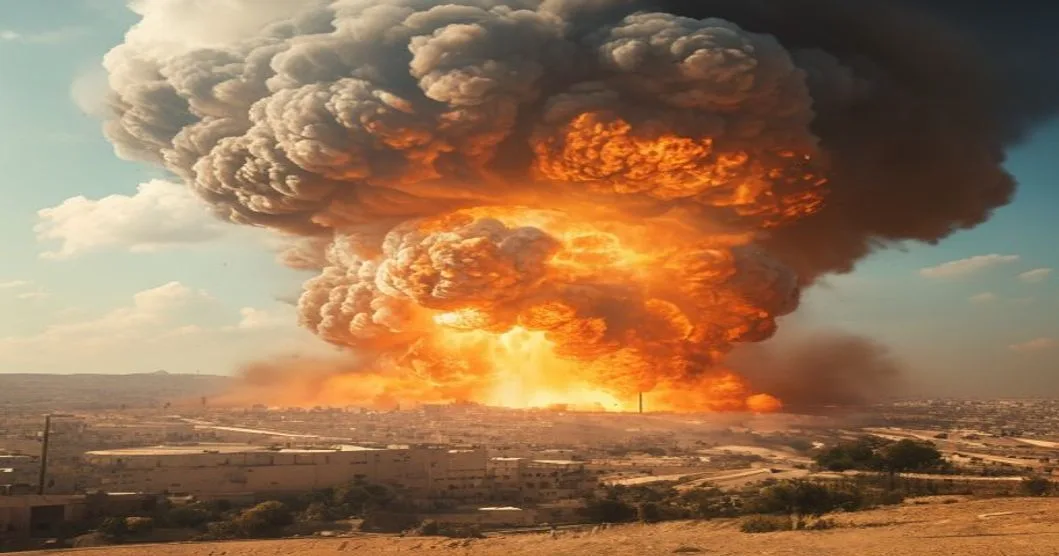
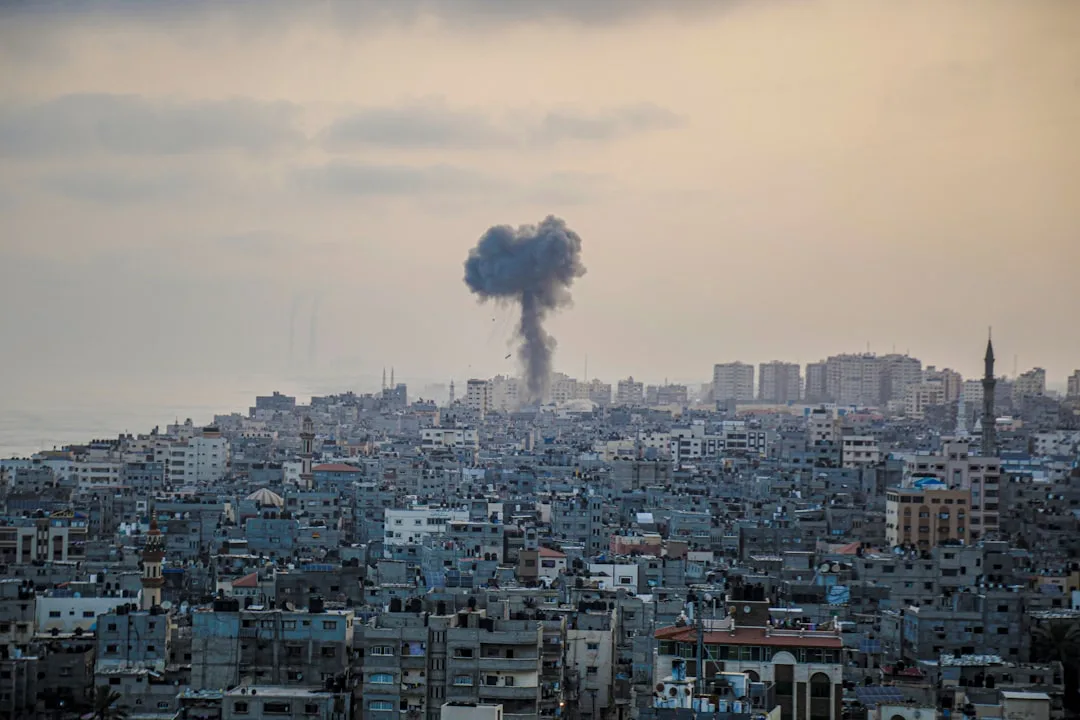
Israeli military strikes targeted several locations across the Gaza Strip on Tuesday. The Israel Defense Forces conducted these operations as part of an ongoing campaign to neutralize strategic threats within the territory.
This surge in activity follows months of intense fighting and diplomatic efforts to secure a ceasefire. The regional stability remains precarious as both sides engage in a cycle of escalation and brief pauses. According to the Gaza Health Ministry, thousands of civilians have been displaced since the conflict intensified in late 2023, leaving a significant portion of the population without permanent shelter or access to basic necessities.
Military officials stated that the operations were necessary to degrade the capabilities of armed groups operating within the region and to prevent future attacks on Israeli soil.
Impact of Israeli military strikes in Gaza
The strategic placement of these Israeli military strikes suggests a focused effort on infrastructure and command centers. By targeting these hubs, the military aims to disrupt the coordination of opposing forces and limit their ability to launch coordinated offensives. This tactical approach is designed to weaken the operational capacity of militant groups while attempting to maintain a level of control over the surrounding perimeter through intelligence-led targeting.
However, the proximity of these targets to residential areas often leads to significant collateral damage and civilian casualties. This pattern continues to draw international scrutiny regarding the proportionality of the response and the adherence to international humanitarian law. The resulting destruction of housing and essential services exacerbates an already dire living situation, contributing to the near-total collapse of the local medical system and sanitation infrastructure.
International mediators, including officials from Qatar and Egypt, are expected to push for renewed negotiations to prevent further escalation. The coming days will likely see increased pressure on both sides to accept a temporary truce to allow for the delivery of urgent humanitarian aid. The global community remains focused on whether a sustainable ceasefire can be reached to end the violence and stabilize the region.
The Gaza Strip remains one of the most densely populated areas in the world, making urban warfare exceptionally complex and dangerous. The long-standing blockade and political instability following the 2007 administrative shift have created a fragile environment where any military action can lead to a rapid humanitarian crisis. Understanding the geography of the region is essential to comprehending the challenges of providing aid and ensuring civilian safety during active hostilities.
Key questions
- Where did the recent strikes occur?
- The strikes targeted multiple locations across the Gaza Strip as part of a military campaign by the Israel Defense Forces.
- Who is conducting the military operations in Gaza?
- The operations are being carried out by the Israel Defense Forces (IDF) to neutralize strategic threats.