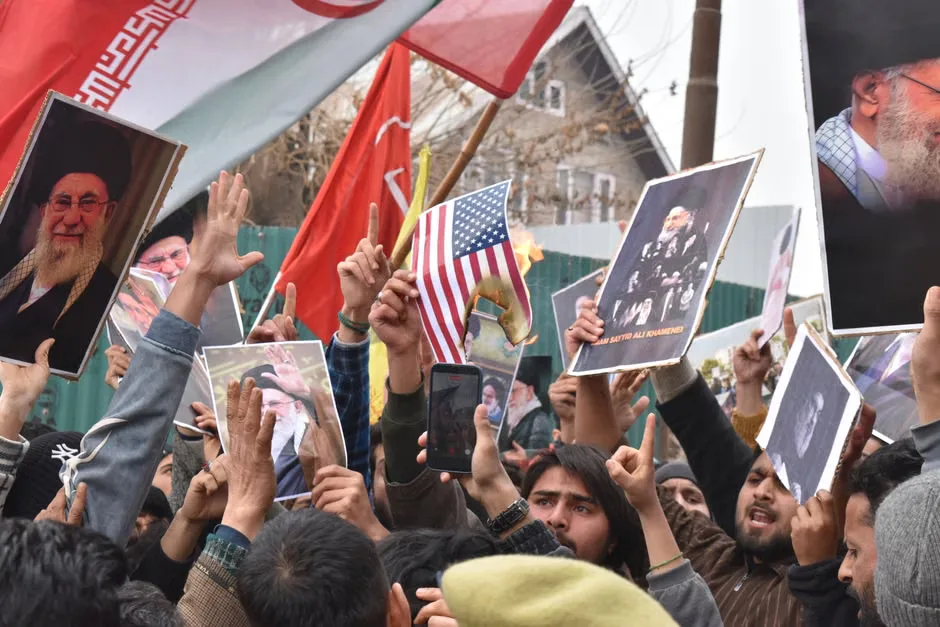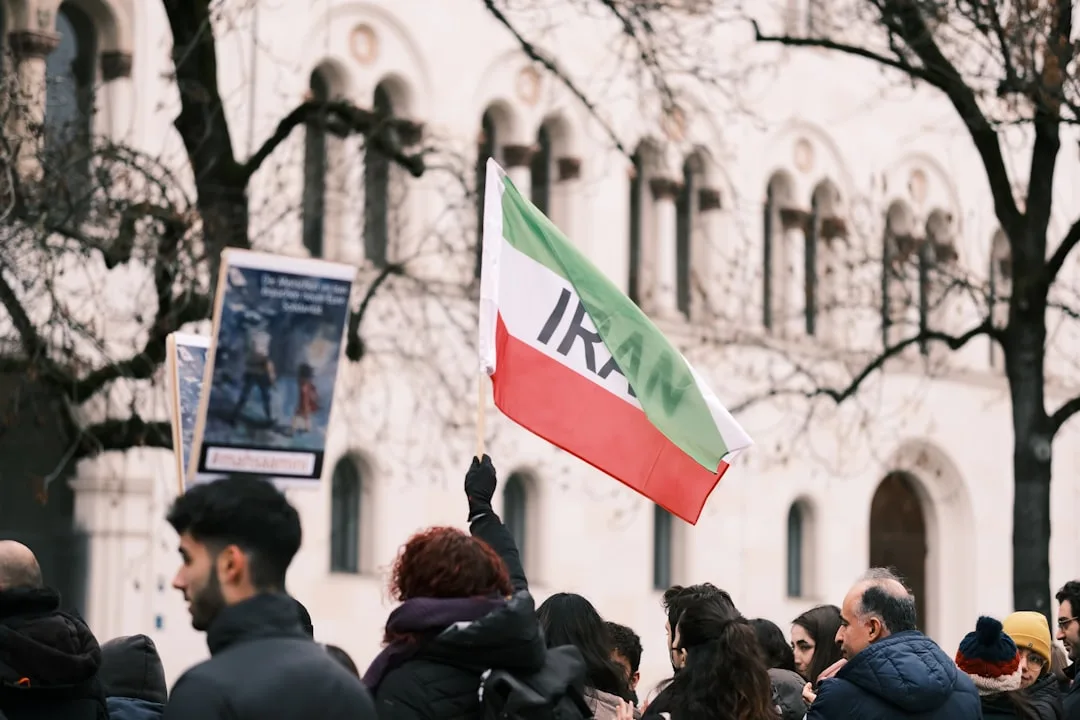

President Donald Trump reiterated that a ceasefire between the United States and Iran is over, even as he said Washington has agreed to continue negotiations at Tehran's request, according to multiple news reports.
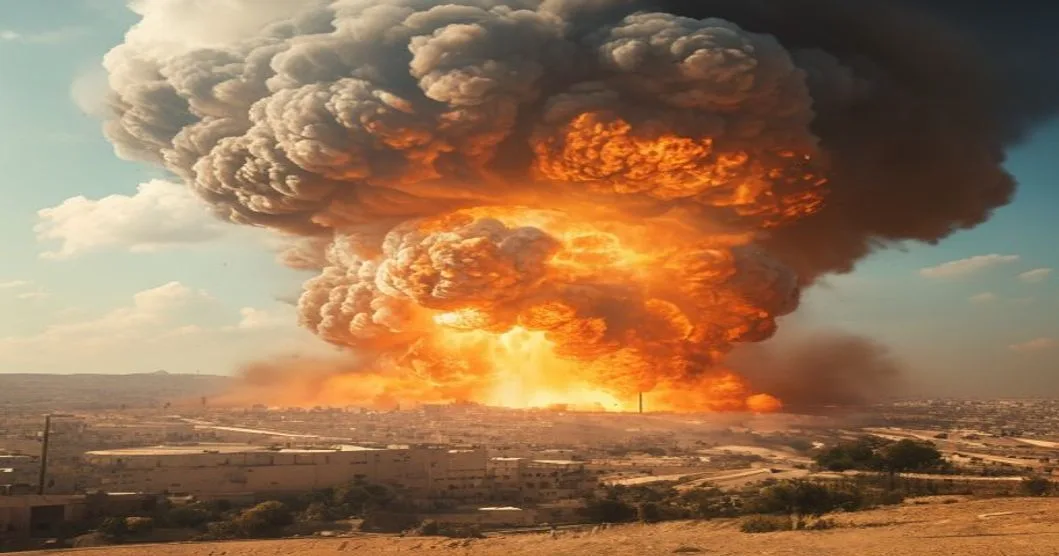
The remarks came as diplomats moved to salvage a channel for talks following what The New York Times described as two days of U.S. strikes in Iran, a development that signaled a sharp escalation in the confrontation. Reuters reported that Trump said the United States would keep negotiating, but that the ceasefire itself had ended.
The competing messages underscored the fragile state of diplomacy between the two countries. A formal ceasefire, or even a temporary halt in hostilities, can provide space for envoys to negotiate. But once such an arrangement collapses, talks often become more difficult to sustain, particularly when military action continues or both sides dispute who is responsible for the breakdown.
Diplomats seek a path back to talks
CNN reported that diplomats were racing to revive U.S.-Iran talks after Trump's declaration that the ceasefire was over. The status of those discussions, including who would represent each side and whether any intermediary was involved, was not immediately clear from the reports.
Iran and the United States have had no formal diplomatic relations for decades, making direct engagement politically and practically difficult. In previous rounds of crisis diplomacy, intermediaries and allied governments have often played a role in carrying messages or organizing talks. Such channels can be critical during periods of military escalation, when public statements may harden positions and leave less room for compromise.
Trump's comments also leave open questions about what the United States is seeking from the next phase of negotiations and what Iran may be prepared to discuss. The reports did not specify whether the talks would focus on de-escalation, nuclear issues, regional security or the terms of a new halt in fighting.
Escalation raises regional concerns
The latest developments add to concern across the Middle East and among U.S. allies about the risk of a broader conflict. U.S.-Iran tensions have long had regional implications, affecting energy markets, shipping routes, allied security planning and the calculations of armed groups aligned with or opposed to Tehran.
For Washington, continuing talks while declaring the ceasefire over may be intended to preserve leverage while leaving a diplomatic door open. For Iran, a decision to keep negotiating could signal an effort to avoid further escalation, even if Tehran publicly condemns U.S. actions.
Markets and governments are likely to watch for signs of whether the reported strikes continue, whether Iran responds militarily and whether diplomats can establish a timetable for renewed talks. Without a new understanding, the risk remains that military pressure and political brinkmanship could overtake diplomacy.
The situation remains fluid, and details from the parties have been limited. Neither the precise terms of the ceasefire nor the conditions for resuming it were clear from the initial reports.
Key questions
- What did Trump say about the U.S.-Iran ceasefire?
- Trump said the ceasefire is over, but he also said the United States agreed to continue negotiations with Iran.
- Why are diplomats trying to revive talks?
- Diplomats are seeking to prevent further escalation after reports of U.S. strikes in Iran and the collapse of the ceasefire.