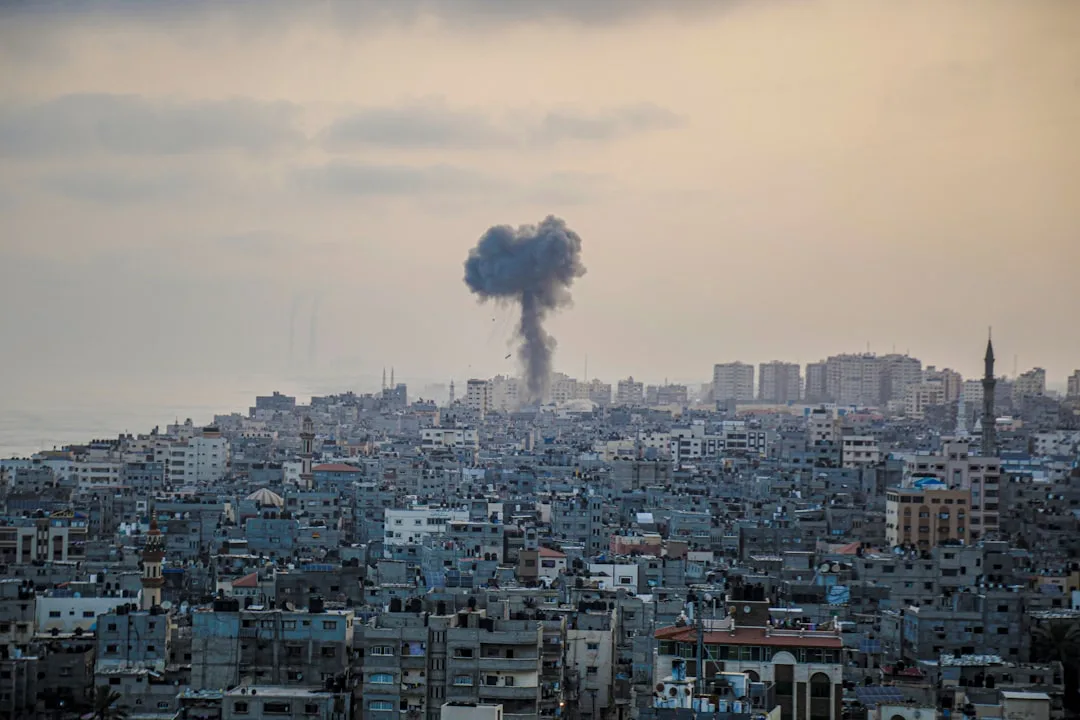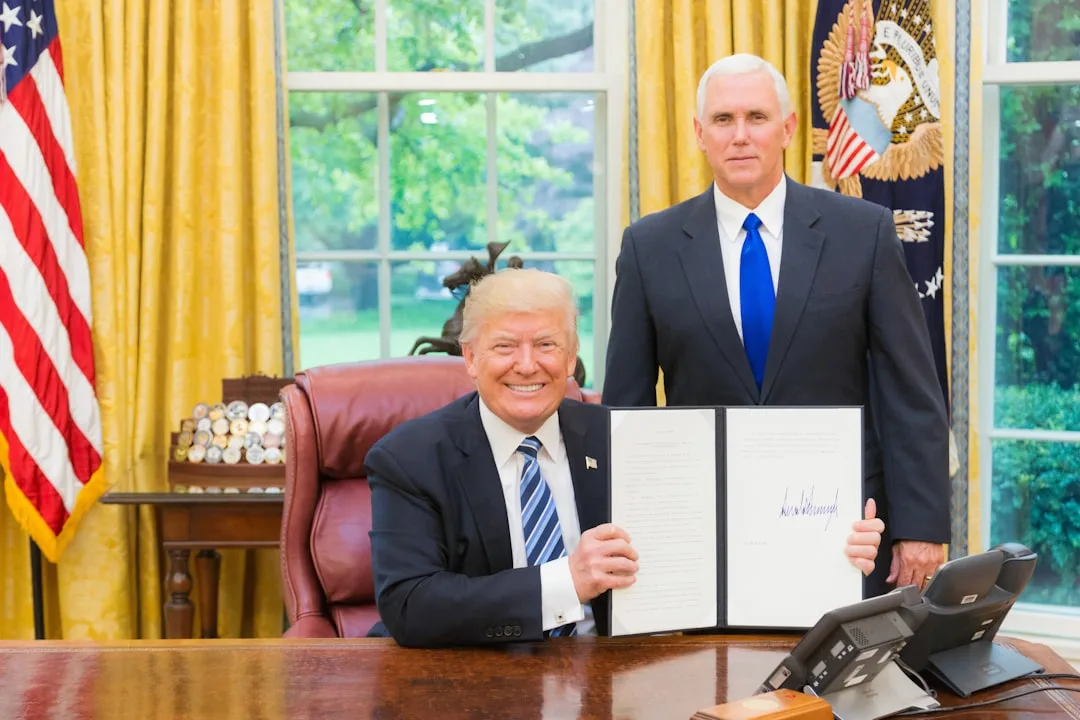
Former President Donald Trump has notified Congress of new U.S. military action against Iran, reviving a long-running clash in Washington over presidential war powers and lawmakers’ authority to review or constrain the use of force abroad. The notice, reported by E&E News by POLITICO, immediately drew attention because formal communications to Congress on military operations often serve as a legal and political marker for how an administration defines the mission, its justification and its expected duration.
Such notifications are typically tied to the War Powers Resolution, which requires the executive branch to inform Congress when U.S. armed forces are introduced into hostilities or situations where hostilities appear imminent. While presidents of both parties have often argued they retain broad constitutional authority as commander in chief, members of Congress have repeatedly pushed for more direct approval when military action risks expanding into a wider conflict.
The latest notification adds to concerns about how quickly tensions with Iran can escalate. Over the past several years, confrontations between Washington and Tehran have included strikes, proxy attacks, maritime incidents and threats to U.S. personnel and regional partners. Even limited operations can carry broader implications, especially if they trigger retaliation or deepen instability across the Middle East.
Lawmakers in both parties have historically been divided not only over Iran policy, but also over the threshold for congressional involvement. Some argue the president must be able to act swiftly to protect U.S. forces and interests. Others say any new military campaign, particularly one that could amount to a sustained conflict, requires clear authorization from Congress rather than a unilateral decision by the White House.
The congressional notice is likely to intensify calls for briefings from national security officials, including explanations of the legal rationale, military objectives and anticipated risks. It could also revive efforts to pass resolutions limiting executive authority or requiring a more specific vote on any prolonged operation involving Iran.
Supporters of a tougher posture toward Tehran have argued that decisive military action can deter attacks and reinforce U.S. credibility in the region. Critics counter that strikes without a broader diplomatic strategy may increase the danger of miscalculation while offering little clarity on the end goal. That debate has surfaced repeatedly in Congress, where members have questioned whether successive administrations have stretched older authorizations for the use of military force beyond their original purpose.
For now, the notice to Congress does not settle the larger dispute. Instead, it underscores the enduring tension between executive flexibility in a crisis and Congress’ constitutional role in matters of war. As lawmakers seek more details, the political and legal fallout may depend on whether the military action remains limited or develops into a more sustained confrontation with Iran.
Why the notification matters
Beyond the immediate security implications, the move is significant because it creates a formal record for lawmakers and the public. In Washington, that record often shapes the next round of hearings, legislative proposals and public arguments over whether the administration’s response was narrow, necessary and lawful.
Key questions
- Why does a president notify Congress about military action?
- Under the War Powers Resolution, the executive branch is generally required to inform Congress when U.S. forces enter hostilities or situations where hostilities are imminent, allowing lawmakers to review the action and consider next steps.
- Why is military action involving Iran politically significant?
- Because Iran is a major regional power and tensions can escalate quickly, even limited U.S. action can raise concerns about retaliation, regional stability, legal authority and whether Congress should explicitly authorize a broader conflict.