President Donald Trump declared the ceasefire with Iran over on Wednesday, hours after the United States and Iran traded missile strikes in a dramatic escalation of tensions. Speaking to reporters before the NATO summit in Washington, Trump said American negotiators could continue talks with Iranian officials if they choose to do so.
The exchange marks the most significant direct military confrontation between the two nations in years, with regional analysts warning of broader implications for Middle East stability. The United Nations estimates over 300,000 people have been displaced by recent hostilities in the region (UN OCHA, 2026).
"This administration's approach has created a dangerous precedent for international diplomacy," said Dr. Sarah Chen, senior fellow at the Brookings Institution. "When military action supersedes negotiation, the path to de-escalation becomes significantly more difficult."
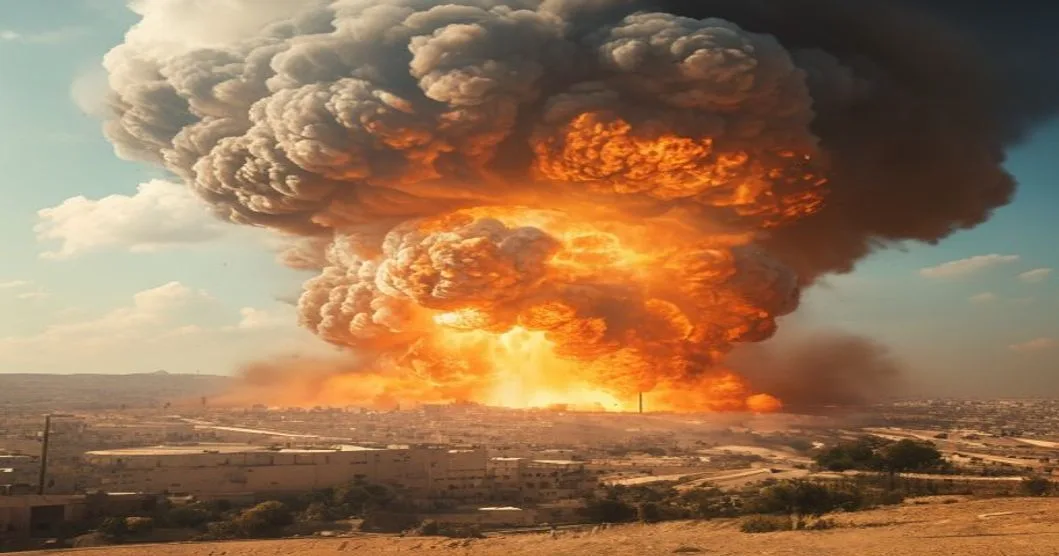
The strikes occurred after Iran launched missiles toward Israeli positions, which responded with air raids on Iranian military installations. Both sides reported limited casualties but significant infrastructure damage, raising concerns about further retaliation.
Regional experts note that the breakdown in ceasefire protocols undermines months of backchannel diplomacy between Washington and Tehran. The sudden shift from tentative negotiations to active combat has left allies scrambling to assess their security commitments in the region.
Diplomatic sources indicate that emergency sessions may be convened during the NATO summit to address the crisis, though Trump's announcement suggests the United States is prepared to pursue a more aggressive stance. European allies have expressed concern about being drawn into a broader regional conflict.
The Middle East has experienced periodic escalations between Iran and Western nations since the 1979 Iranian Revolution, with tensions often centered on nuclear program disputes and regional influence competition.
Trump Iran ceasefire collapse raises stakes for NATO allies
NATO member states now face difficult decisions about collective defense obligations as the Iran situation develops. The alliance's response could signal whether traditional security partnerships remain viable amid shifting American foreign policy priorities.
Key questions
- What triggered the exchange of strikes between the US and Iran?
- Iran launched missiles toward Israeli positions in response to previous Israeli airstrikes, prompting US retaliation against Iranian military installations.
- How might the NATO summit address the Iran ceasefire situation?
- NATO allies are expected to hold emergency consultations during the summit to coordinate their response and assess collective defense commitments amid the escalating crisis.