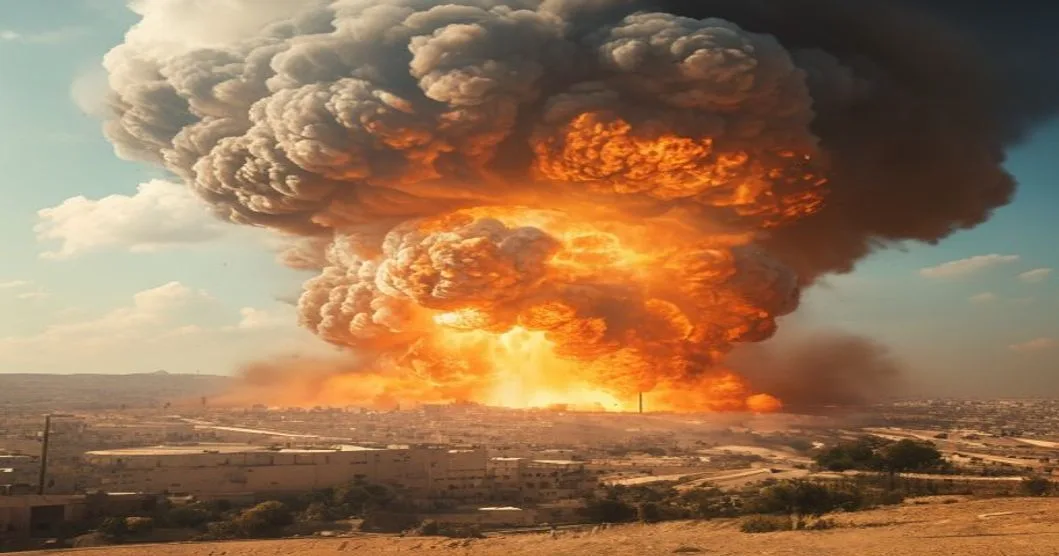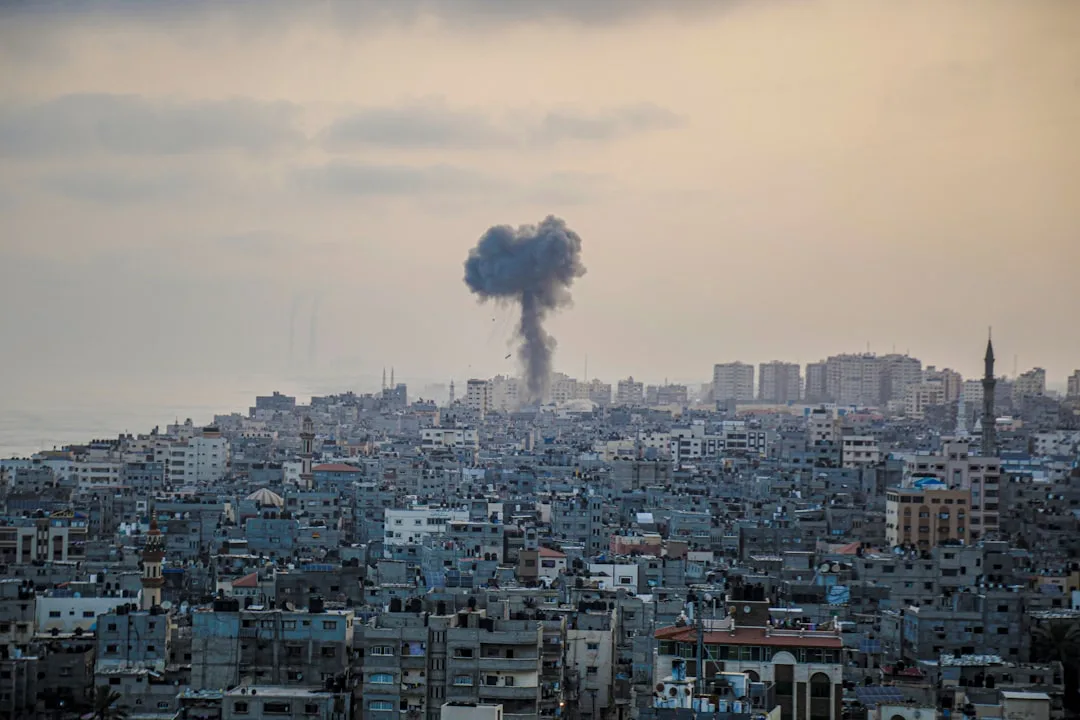
The United States and Iran exchanged fresh strikes as efforts to preserve a cease-fire appeared to collapse, according to multiple news reports, intensifying fears of a broader conflict in one of the world’s most sensitive energy corridors.
The latest escalation followed comments from President Donald Trump suggesting the cease-fire was “over,” a statement that added uncertainty to diplomatic efforts already under strain. Reports from major outlets said U.S. forces renewed attacks on targets linked to Iran’s Islamic Revolutionary Guard Corps, while Iran responded with military action in the Gulf.
Details of the strikes, including damage assessments and possible casualties, were not immediately clear. The Pentagon and Iranian officials have offered limited public information, and battlefield claims from both sides could not be independently verified. Still, the reported exchange marked another dangerous turn after days of mounting tension between Washington and Tehran.
Strait of Hormuz draws renewed concern
The focus of the confrontation has increasingly shifted toward Iran’s coast and waters near the Strait of Hormuz, the narrow passage connecting the Persian Gulf with the Gulf of Oman. A significant share of the world’s seaborne oil moves through the strait, making any military activity there a direct concern for energy markets and governments far beyond the Middle East.
Reports indicated U.S. strikes were concentrated along areas near Iran’s coast, while Iranian retaliation unfolded in the Gulf. The location matters: even limited clashes near the waterway can trigger concerns about shipping disruptions, insurance costs, oil prices and the security of naval forces operating in the region.
Iran has repeatedly warned it would respond to attacks on its military infrastructure, particularly those involving the Revolutionary Guard, a powerful force that answers directly to the country’s top leadership. U.S. officials have previously said their operations are intended to deter Iranian attacks and protect American personnel and interests.
Diplomacy faces new pressure
The apparent breakdown of the cease-fire effort leaves uncertain whether diplomacy can regain momentum. European and regional governments have urged restraint, warning that a wider U.S.-Iran conflict could destabilize Iraq, Syria, Lebanon and Gulf states that already face heightened security risks.
Analysts said both governments may still have incentives to avoid a full-scale war, even as public threats and military actions narrow the space for negotiation. Washington faces the challenge of signaling resolve without triggering an uncontrollable escalation. Tehran, meanwhile, is under pressure to respond forcefully while avoiding steps that could bring a larger U.S. campaign.
The immediate question is whether the latest strikes will be followed by another round of retaliation or by renewed efforts to restore a pause in fighting. Much could depend on casualty figures, the scope of damage and whether either side targets shipping, energy infrastructure or military bases beyond the immediate theater.
For now, the cease-fire effort appears to be in serious jeopardy. With U.S. and Iranian forces trading blows and the Strait of Hormuz back at the center of global concern, governments are watching for signs that the conflict will either stabilize or move closer to a wider regional confrontation.
Key questions
- What triggered the latest U.S.-Iran escalation?
- The latest escalation followed reports of renewed U.S. strikes on targets linked to Iran’s Revolutionary Guard and Iranian retaliation in the Gulf after Trump suggested a cease-fire effort was over.
- Why is the Strait of Hormuz important?
- The Strait of Hormuz is a key shipping route for global oil supplies. Military activity near the waterway can raise concerns about energy markets, shipping security and broader regional stability.