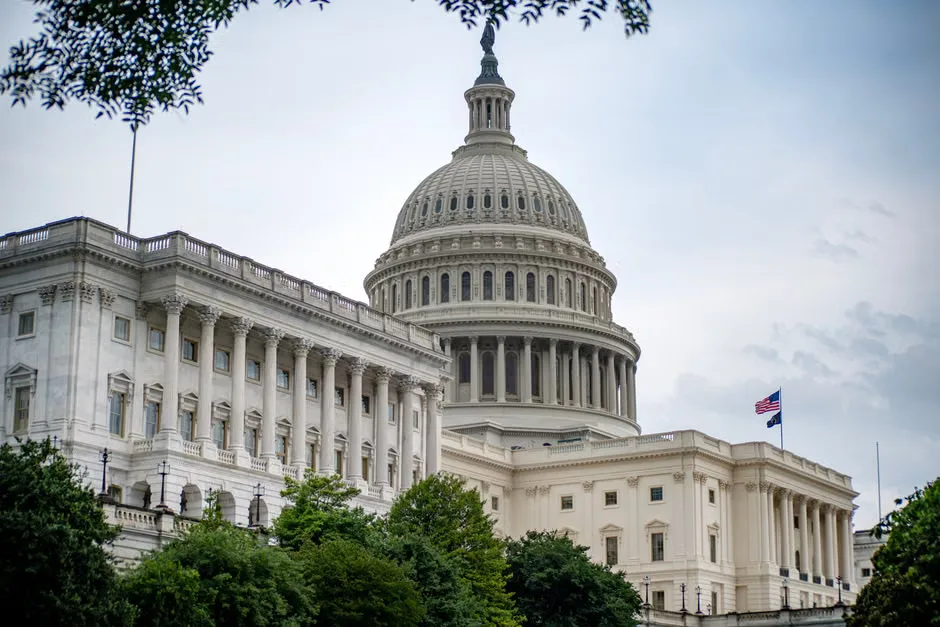
Donald Trump’s threats toward the Smithsonian Institution are putting a spotlight on Congress, where lawmakers have broad authority over the federally supported museum and research network but have so far shown little urgency to confront the dispute publicly.
The Smithsonian, which includes major museums on the National Mall, the National Zoo and research centers, occupies a unique place in Washington. It is not a traditional Cabinet agency, but it receives significant annual federal funding and is subject to congressional oversight. Its Board of Regents also includes members of Congress, alongside the chief justice, the vice president and private citizens.
That structure means any sustained effort by a president to pressure the Smithsonian — whether through funding threats, appointments, public attacks or demands over exhibitions — would likely draw Congress into the debate. For now, however, lawmakers appear largely content to remain on the sidelines, according to Roll Call’s report.
A cultural fight with federal implications
Trump has made cultural institutions a recurring target in his broader political message, often accusing museums, universities and arts organizations of promoting views he says are hostile to traditional American history. The Smithsonian has periodically been drawn into those arguments because of its high profile and its reliance on taxpayer support.
For supporters of congressional intervention, the issue is not simply a dispute over museum labels or exhibit themes. It is a question of whether a president should be able to use political pressure to shape how a national institution presents history, science and culture. Critics of the Smithsonian, meanwhile, argue that Congress has a responsibility to ensure public money is not used to promote what they view as ideological programming.
The debate places lawmakers in a familiar bind. Publicly challenging Trump could create political risk for Republicans, particularly those aligned with his movement. Defending the Smithsonian too forcefully could also be cast by conservative activists as defending Washington institutions. Democrats, for their part, may see an opening to criticize political interference but still have limited power without bipartisan support.
Funding gives Congress leverage
Congress’ most direct tool is the appropriations process. Annual spending bills help pay for Smithsonian operations, security, building maintenance and staff. Lawmakers can also use hearings, report language and oversight requests to press Smithsonian leaders about specific programs or to defend the institution’s independence.
But those mechanisms are slower and less visible than a presidential broadside. They also require committees to prioritize the issue at a time when Congress faces larger fights over federal spending, elections, foreign policy and government operations. That has helped keep the Smithsonian dispute from becoming a central legislative fight, despite its symbolic importance.
The Smithsonian’s defenders argue that its credibility depends on professional standards, not shifting political demands. Museum officials have long faced scrutiny from both parties over how to present painful or contested chapters of American history, including race, war, immigration and presidential power. Those disputes are unlikely to disappear, especially as the nation approaches major historical anniversaries.
For now, the question is whether Trump’s pressure campaign remains mostly rhetorical or becomes part of a broader effort to reshape the institution. If funding, leadership or exhibitions become targets, Congress may find it harder to stay quiet.
Key questions
- Why does Congress have a role in Smithsonian oversight?
- The Smithsonian receives substantial federal funding, and members of Congress serve on its Board of Regents. Lawmakers can also oversee the institution through hearings, appropriations and other legislative tools.
- What is at stake in Trump’s criticism of the Smithsonian?
- The dispute raises questions about political influence over publicly funded museums, how American history is presented and whether Congress will defend or scrutinize the institution’s independence.