
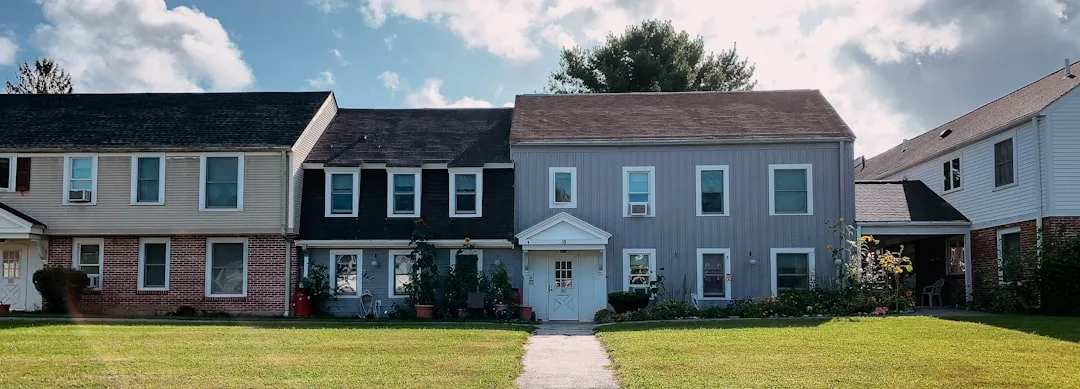
Congressional action on housing reform is drawing praise from county officials who say local governments need stronger federal tools to respond to rising rents, limited housing supply and growing affordability pressures.
The National Association of Counties said Congress has delivered on housing reform, framing the action as an important step for communities where housing challenges increasingly shape economic development, public health, workforce recruitment and homelessness response. Counties are often responsible for land use planning, infrastructure, social services and local partnerships that determine whether housing projects can move from proposal to completion.
Housing affordability has become a central issue for local leaders in urban, suburban and rural communities. While market conditions differ by region, counties have reported similar obstacles: construction costs that remain elevated, shortages of available homes, aging housing stock, limited rental options and infrastructure needs that can slow or prevent development.
County officials have argued that federal policy should recognize the role local governments play in implementing housing programs. That includes flexibility in how funds are used, support for infrastructure tied to housing growth and coordination among federal, state and local agencies.
Local governments seek flexibility
The counties association has long pressed Congress for policies that help communities expand housing supply without imposing one-size-fits-all rules. In many places, housing projects depend not only on financing but also on roads, water systems, sewer capacity, permitting staff and access to services such as transportation and child care.
Local officials say those needs are especially acute in smaller counties, where staff capacity and tax bases may be limited. Rural areas can face high per-unit development costs and fewer private builders, while fast-growing suburban counties often struggle to keep infrastructure in line with demand. Large metropolitan counties are managing high rents, displacement pressures and complex homelessness systems.
The latest congressional movement comes as lawmakers from both parties have faced increasing pressure to address housing costs. Affordability has become a kitchen-table concern for renters and prospective homebuyers, with many households spending a growing share of income on housing. Employers also report difficulty recruiting workers in areas where housing near jobs is scarce or too expensive.
Advocates for local governments say federal housing reform will be judged by how effectively it reaches communities and whether it helps unlock new units. They also point to the importance of preserving existing affordable housing, assisting vulnerable residents and improving coordination between housing programs and economic development efforts.
The National Association of Counties said congressional action reflects recognition that counties are essential partners in solving the housing shortage. The organization is expected to continue pushing for funding certainty, administrative flexibility and policies that allow local leaders to tailor responses to their own markets.
For residents, the practical effects of housing reform will depend on how federal agencies implement the changes and how quickly local governments can put new tools to work. County leaders say the need is urgent, but they also caution that addressing the housing gap will require sustained investment, private-sector participation and continued coordination across all levels of government.
Key questions
- Why are counties involved in housing reform?
- Counties often oversee planning, infrastructure, public services and local partnerships that affect how housing is built, preserved and connected to community needs.
- What could congressional housing reform mean for local communities?
- Depending on implementation, federal housing reform could give local governments more tools to expand supply, preserve affordability and coordinate housing with infrastructure and services.