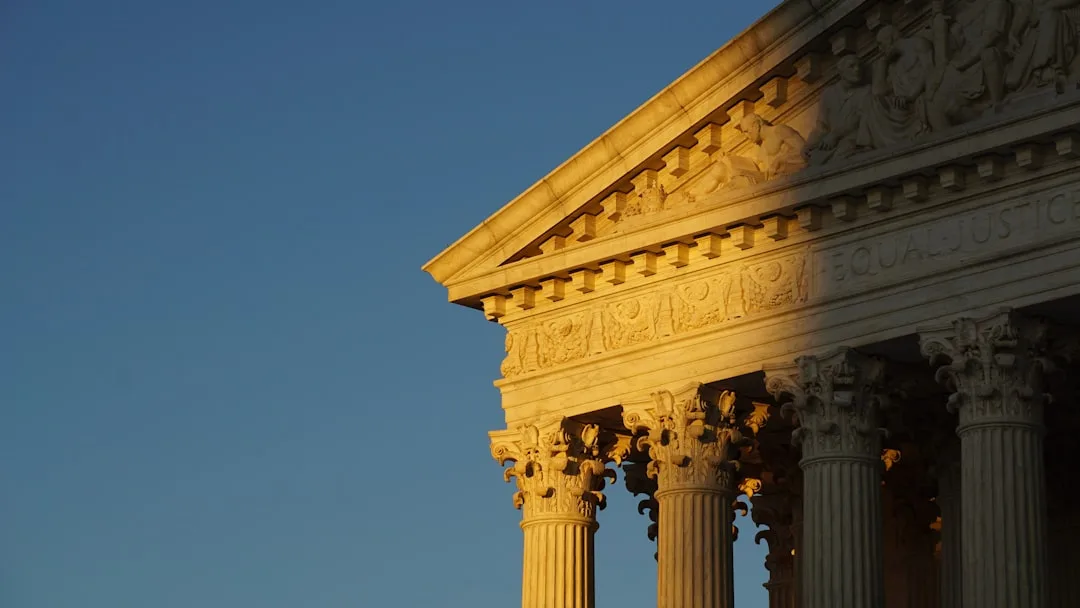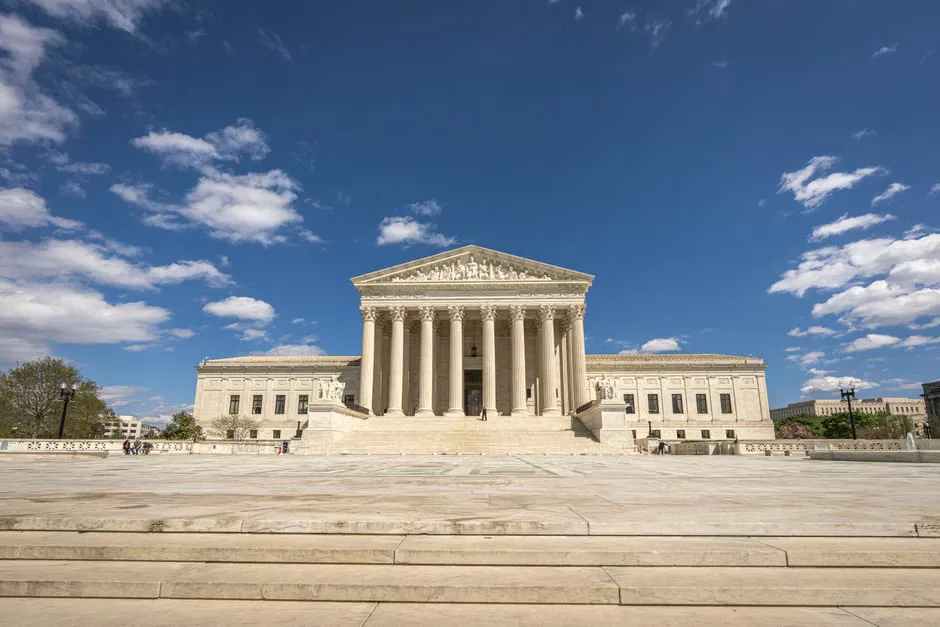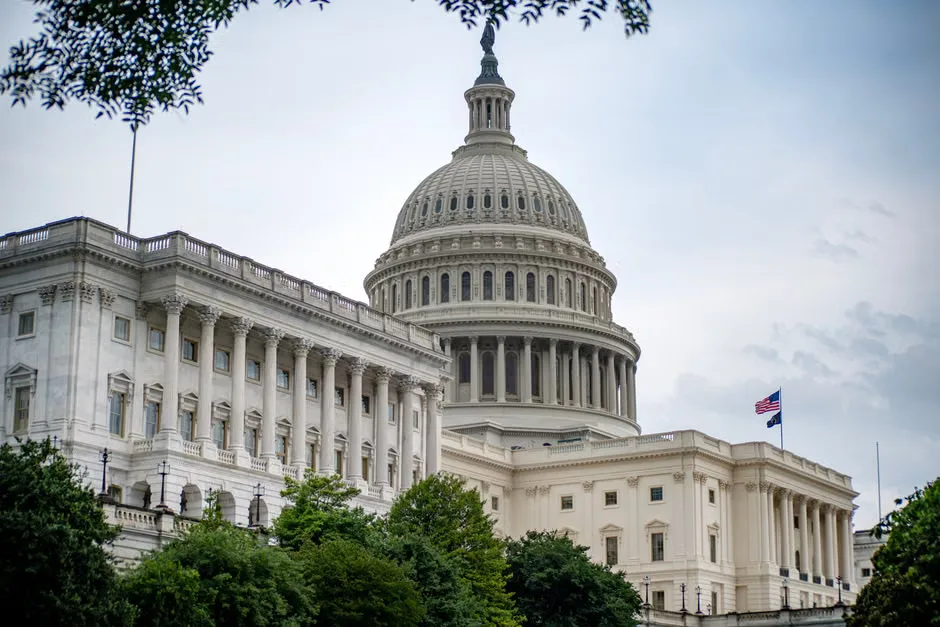
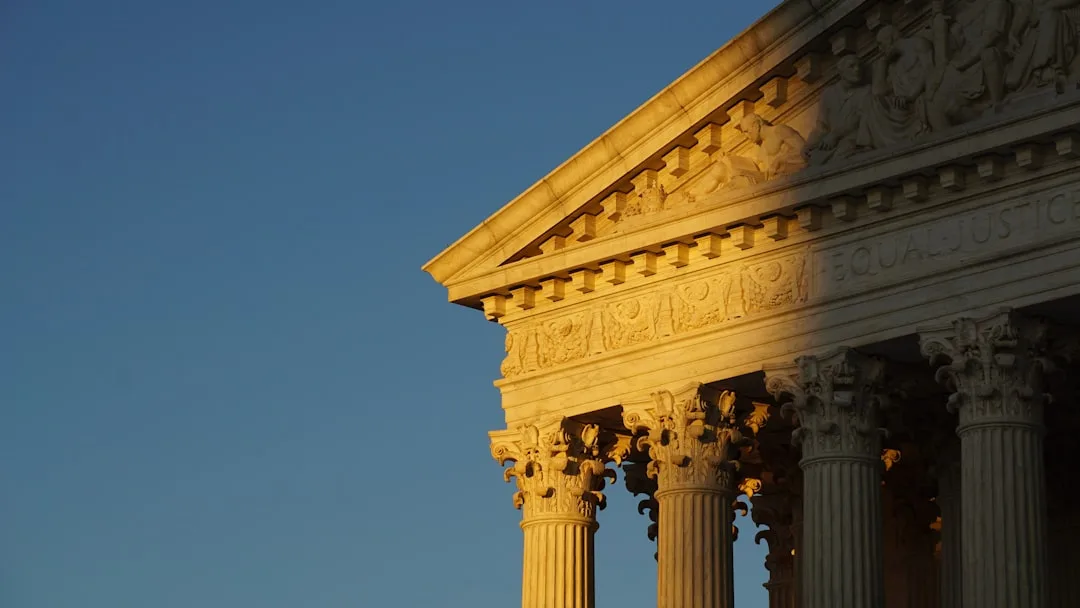
Supreme Court justices made a rare appearance before Congress to describe what they said are escalating security dangers facing federal judges and their families, while also addressing questions about ethics rules and public confidence in the judiciary.
The testimony offered lawmakers an uncommon chance to hear directly from members of the nation’s highest court on issues that have drawn bipartisan attention: the safety of judges in an increasingly heated political climate and whether the judiciary’s ethical framework is strong enough to reassure the public.
Justices told Congress that threats against judges have increased in recent years, reflecting a broader atmosphere of polarization and anger surrounding major court rulings. They said the concerns extend beyond the courthouse, affecting homes, travel and family members. The justices emphasized that judges must be able to carry out their duties without fear of intimidation or violence.
Lawmakers examined whether additional resources or legal protections may be needed to safeguard the federal judiciary. The discussion comes after repeated warnings from judicial officials that online harassment, threats and the disclosure of personal information have created new vulnerabilities for judges at every level of the court system.
At the same time, members of Congress pressed the justices on ethics standards after months of scrutiny over travel, gifts and disclosure practices involving members of the Supreme Court. The court has faced calls for stronger rules, greater transparency and an enforcement mechanism independent of the justices themselves.
The justices pointed to steps already taken by the court, including the adoption of a formal code of conduct, while defending the judiciary’s ability to police its own ethical obligations. They signaled that ethics issues are being taken seriously but also suggested that any response must preserve the constitutional separation between the judicial branch and Congress.
Some lawmakers argued that public trust in the court depends not only on independence, but also on visible accountability. Others cautioned against steps they said could open the door to political pressure on the court. The exchange underscored a longstanding tension: the Supreme Court is insulated from elections by design, yet its legitimacy depends heavily on public acceptance of its impartiality.
Balancing accountability and judicial independence
The hearing highlighted the difficult balance confronting the judiciary. Security threats have become more urgent as the court handles contentious cases on elections, executive power, abortion, gun rights and regulation. At the same time, ethical controversies have fueled criticism from those who say the court should be more transparent about how justices manage potential conflicts.
While the testimony did not resolve that debate, it made clear that the justices see physical security as an immediate concern and ethics as a broader institutional challenge. Congress is expected to continue weighing whether legislative action is appropriate, but any proposal is likely to face constitutional and political hurdles.
For now, the appearance itself stood out. Supreme Court justices seldom testify before Congress, and the session reflected the unusual pressure now surrounding the court as it seeks to protect its members, defend its independence and maintain the public’s trust.
Key questions
- Why did Supreme Court justices testify before Congress?
- The justices appeared to discuss rising security threats against judges and to address questions from lawmakers about ethics standards and public confidence in the judiciary.
- What were the main issues raised at the hearing?
- The hearing focused on the safety of judges and their families, the adequacy of judicial ethics rules, transparency in disclosures and how to balance court accountability with judicial independence.