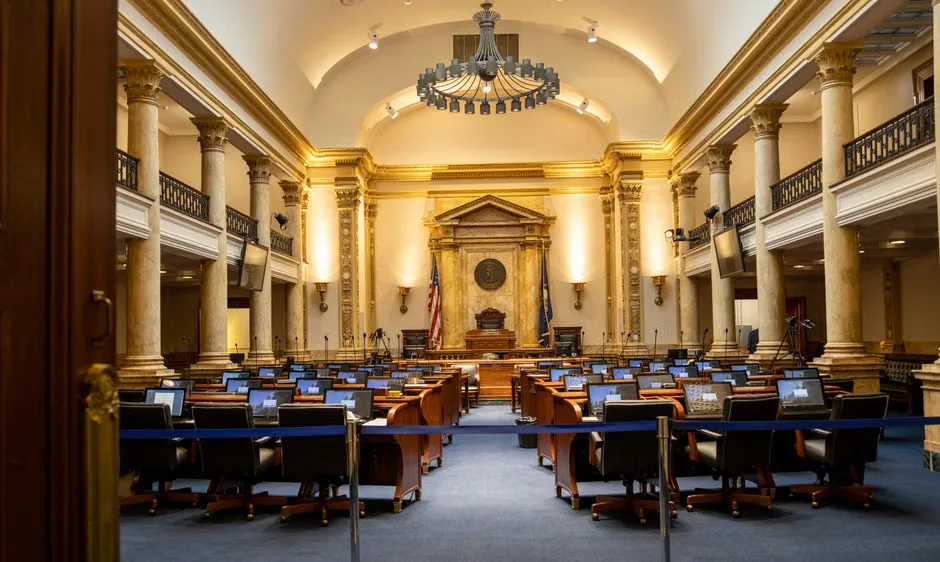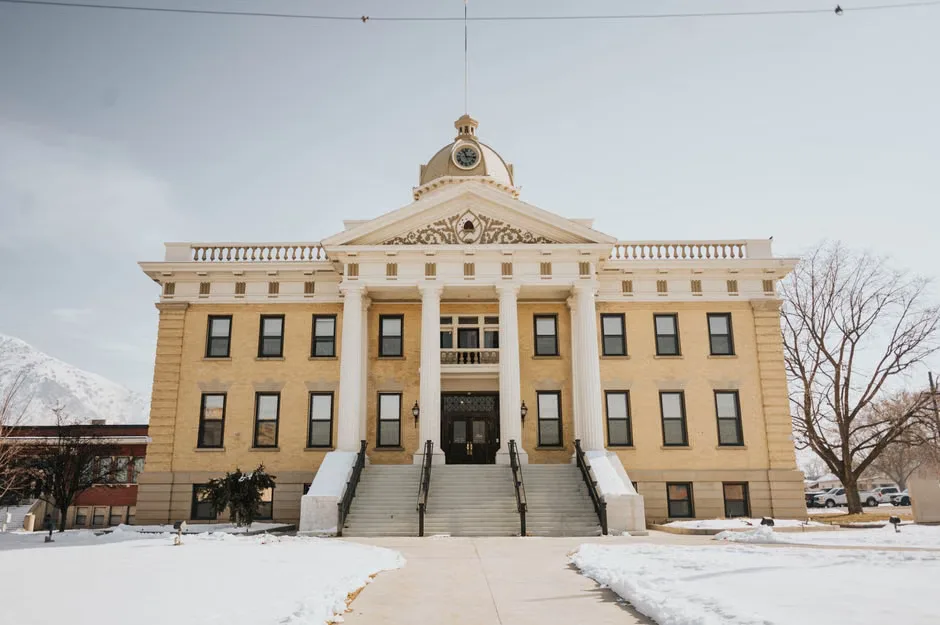
Washoe County’s Board of County Commissioners used a recent public meeting to review a range of local government priorities, underscoring how county leaders are balancing day-to-day operations with longer-term policy goals. The agenda, as highlighted by Washoe Life, pointed to core issues often at the center of county governance: budget oversight, public safety, infrastructure planning and the delivery of public services.
County commission meetings serve as a key venue for elected officials to set direction on matters that affect residents directly, from road projects and regional planning to social services and administrative spending. In Washoe County, commissioners regularly weigh competing demands for limited public resources while responding to population changes, economic pressures and public expectations for reliable services.
Among the major areas of focus were financial and operational matters tied to county management. Budget discussions in these settings can shape how departments prioritize staffing, capital improvements and service levels. Even when no single item dominates the agenda, routine fiscal decisions can have broad implications for public programs and future planning.
Public safety also remained a central topic, reflecting county government’s role in supporting law enforcement, emergency response and coordination with regional partners. Updates in this area often involve questions of staffing, preparedness and resource allocation, especially as local governments work to maintain services while managing costs.
Infrastructure and public works issues were another notable part of the commissioners’ discussions. County leaders frequently use these meetings to track progress on maintenance needs, transportation improvements and projects intended to support growth. Such deliberations can influence how quickly communities see improvements to roads, facilities and other essential systems.
The meeting also highlighted the broader administrative role of the commission. Beyond high-profile policy debates, commissioners are responsible for approvals and oversight that keep county government functioning, including contracts, departmental actions and planning items. Those proceedings may appear procedural, but they help determine how policy decisions are put into practice.
For residents, county commission meetings offer a window into how local government translates public priorities into action. Decisions made at the county level often shape daily life in less visible but significant ways, including permitting, regional coordination, community health efforts and support services.
While the Washoe Life summary emphasized top headlines from the meeting rather than a single major vote, the overall picture was one of steady governance focused on essential responsibilities. In a political environment often dominated by national developments, county-level meetings like this one show how many consequential decisions are made closer to home.
As Washoe County continues to manage growth and service demands, future commission meetings are likely to remain focused on fiscal discipline, infrastructure needs and the practical challenges of administering local government. Those discussions will continue to play an important role in setting priorities for one of Nevada’s most prominent counties.
Key questions
- What does the Washoe County Board of County Commissioners do?
- The board oversees county government operations, approves budgets, reviews contracts and planning matters, and sets policy priorities affecting public services, infrastructure and safety.
- Why are county commission meetings important to residents?
- These meetings influence local decisions on spending, public safety, roads, facilities and community services, making them a key part of how government responds to local needs.