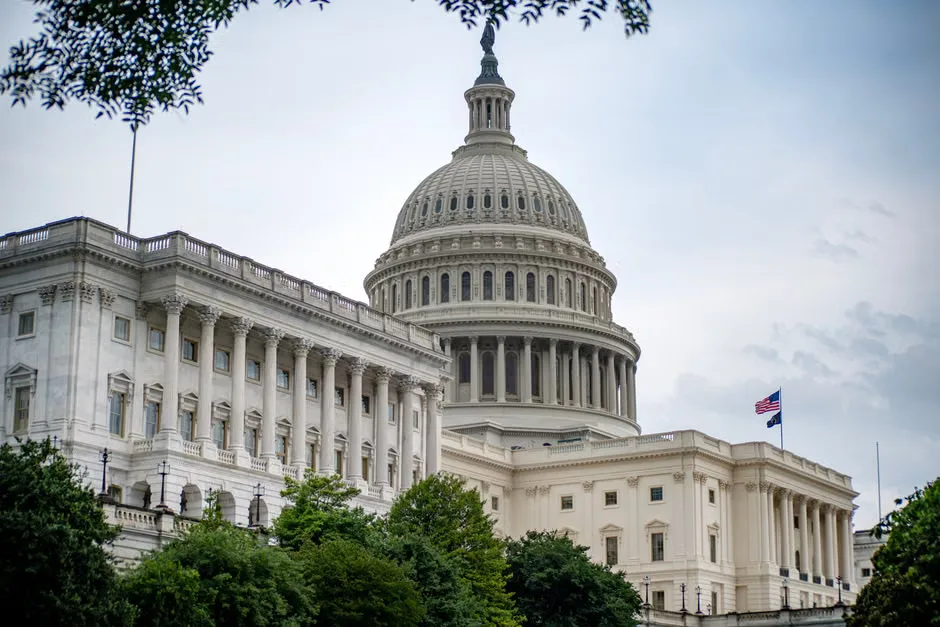
WASHINGTON — Congress is again racing the clock to approve government funding legislation, with lawmakers under pressure to resolve spending disputes before federal agencies face the risk of a shutdown.
The annual appropriations process, which funds much of the federal government, often becomes a test of political leverage between the House, Senate and White House. This year, lawmakers are working through familiar divisions over spending levels, border policy, domestic programs, defense priorities and other provisions that can slow negotiations even when leaders say they want to avoid a lapse in funding.
If Congress cannot pass the regular spending bills in time, lawmakers may turn to a short-term funding patch, known as a continuing resolution. Such measures keep agencies operating at current or adjusted funding levels while negotiations continue. They are common in Washington, but they can also extend uncertainty for federal workers, contractors, military families, state agencies and local governments that depend on federal money.
Deadline pressure builds
A shutdown would not affect every government service in the same way. Programs considered essential, including many public safety and national security operations, typically continue. Other services can be delayed or paused, and hundreds of thousands of federal employees may be furloughed or required to work without immediate pay until funding is restored.
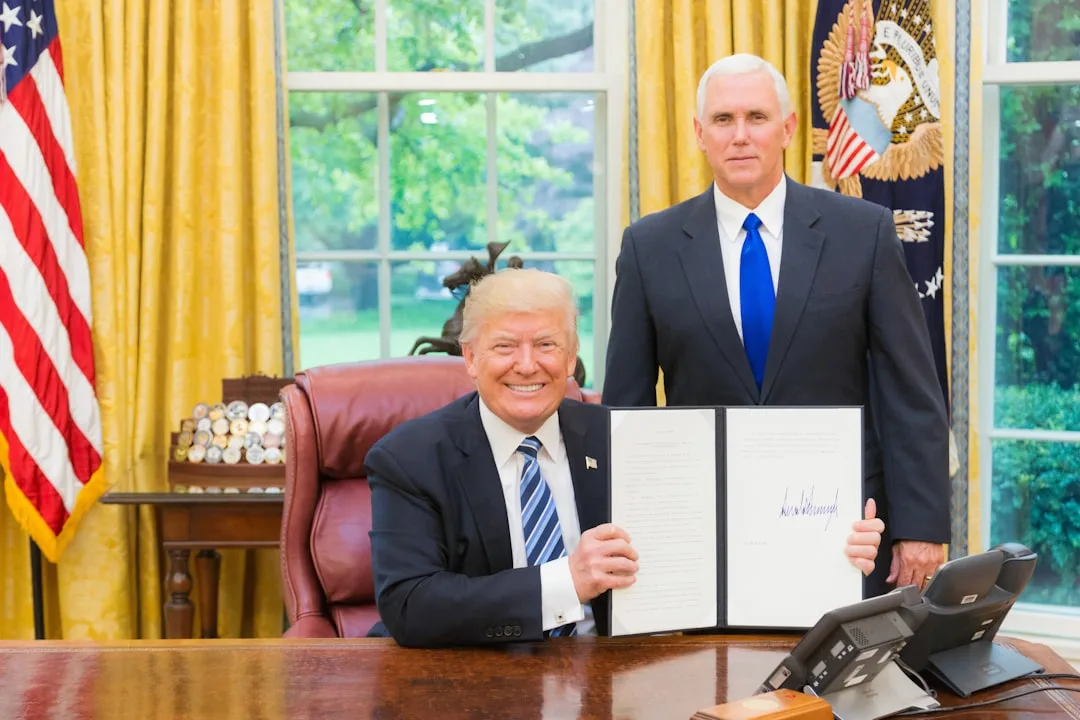
The political stakes are high for both parties. House leaders must manage narrow margins and competing demands from members who want deeper cuts, policy concessions or faster action on individual spending bills. Senate leaders generally need bipartisan support to move legislation, making negotiations slower but often more stable. The White House also has a central role, as any final bill must be signed by the president.
Funding fights can become especially complicated when lawmakers attach unrelated policy riders to must-pass spending bills. Those provisions can appeal to party bases but make bipartisan agreement harder. Negotiators often try to strip out the most divisive language in order to pass a package that can clear both chambers.
For federal agencies, delayed funding creates operational problems even when a shutdown is avoided. Agencies may postpone hiring, delay grants, hold off on contracts or limit long-term planning. State governments, universities, health systems and local programs that receive federal support can also face uncertainty while Congress works through the process.
What comes next
Lawmakers have several options. They can pass some or all of the regular appropriations bills, approve a broader package that combines multiple measures, or enact a temporary extension to buy more time. Each route requires agreement among congressional leaders and enough votes in both chambers.
Public pressure tends to rise as deadlines approach, particularly if a shutdown threat becomes more visible. Members of both parties often say they oppose shutdowns, but they disagree sharply over what spending levels and policy terms should be included in a final deal.
For now, the central question is whether Congress can move quickly enough to keep the government funded while still satisfying lawmakers who want major changes to federal spending. The answer will determine whether Washington avoids another last-minute crisis or heads into a disruption that could be felt across the country.
Key questions
- What happens if Congress does not pass government funding bills?
- If funding expires, parts of the federal government can shut down. Essential services generally continue, but many workers may be furloughed or work without immediate pay, and some public services can be delayed.
- What is a continuing resolution?
- A continuing resolution is a temporary funding measure that keeps federal agencies operating while Congress continues work on full-year spending bills.