WASHINGTON — President Donald Trump has removed members tied to a federal election commission, according to The Associated Press, marking the latest step in his administration’s effort to reshape how elections are run across the United States.
The action comes as Trump has sought to assert greater federal influence over voting rules, an area traditionally controlled by states and local election officials. The changes are expected to draw scrutiny from voting rights groups, Democratic officials and election administrators who say the independence of election oversight is critical to public trust.
The commission and its advisory structure play a role in supporting state and local election offices, including guidance on voting systems, security and election management. While the federal government does not run most elections, its guidance can affect how states interpret best practices and comply with federal voting laws.
Details about the removals, including the administration’s full legal rationale and whether the members plan to challenge the decision, were not immediately clear. The White House has framed its election-related agenda as an effort to promote integrity and confidence in voting. Critics argue the moves could inject more partisanship into systems that rely heavily on professional administrators and bipartisan procedures.
Broader effort on voting rules
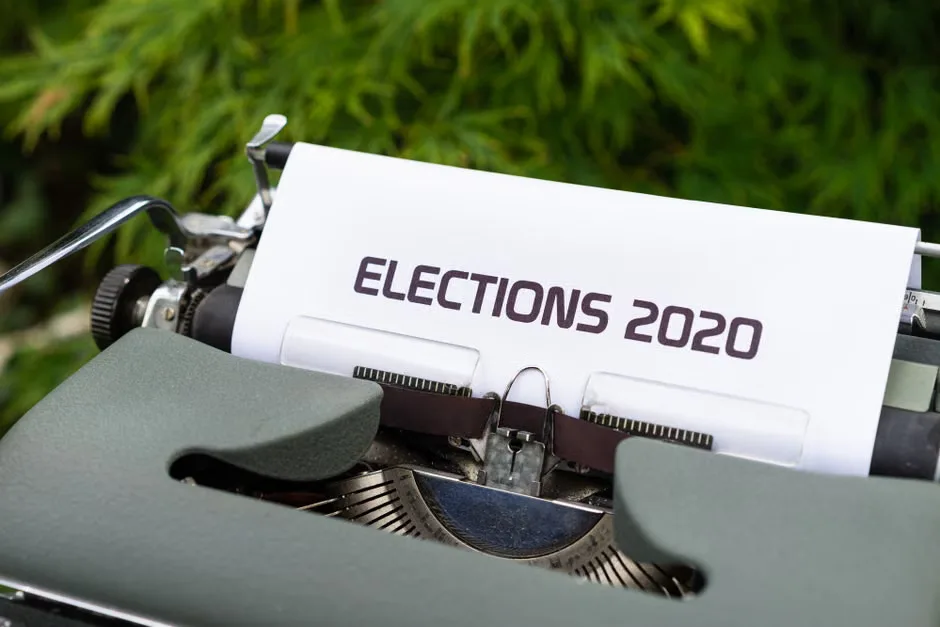
Trump has long claimed, without evidence sufficient to overturn the outcome, that the 2020 election was marred by widespread fraud. Courts, state officials from both parties and members of his own administration found no evidence of fraud on a scale that would have changed the result. Since returning to office, he has continued to press for changes to election procedures, including tougher voter eligibility checks and restrictions on some methods of casting ballots.
Election administration in the U.S. is decentralized. States set many of the rules for registration, absentee voting, ballot processing and deadlines, while counties and municipalities typically run polling places and count ballots. Congress and federal agencies can set certain requirements, particularly involving civil rights, accessibility and voting system standards, but broad federal intervention often faces legal limits.
That division of authority is likely to be central to any challenge to the latest removals. Legal experts and election officials have warned that abrupt changes at federal election bodies could complicate preparation for upcoming contests, especially if guidance or certification work is disrupted.
Republicans who support Trump’s election agenda say stronger rules are needed to reassure voters who distrust the system. Democrats and nonpartisan voting advocates counter that repeated claims of widespread fraud have undermined confidence despite years of secure elections and extensive audits.
The removals add another flashpoint to an already polarized debate over voting access, election security and presidential power. With the next federal election cycle approaching, state officials are expected to watch closely for additional directives from Washington and for lawsuits challenging the administration’s authority.
Key questions
- What commission members did Trump remove?
- AP reported that President Donald Trump removed members tied to a federal election commission structure. The full legal rationale and any potential challenges were not immediately clear.
- Can the president control how elections are run?
- Most U.S. election rules are set by states and administered locally. The federal government can set certain requirements and issue guidance, but broad intervention often faces legal limits and court challenges.