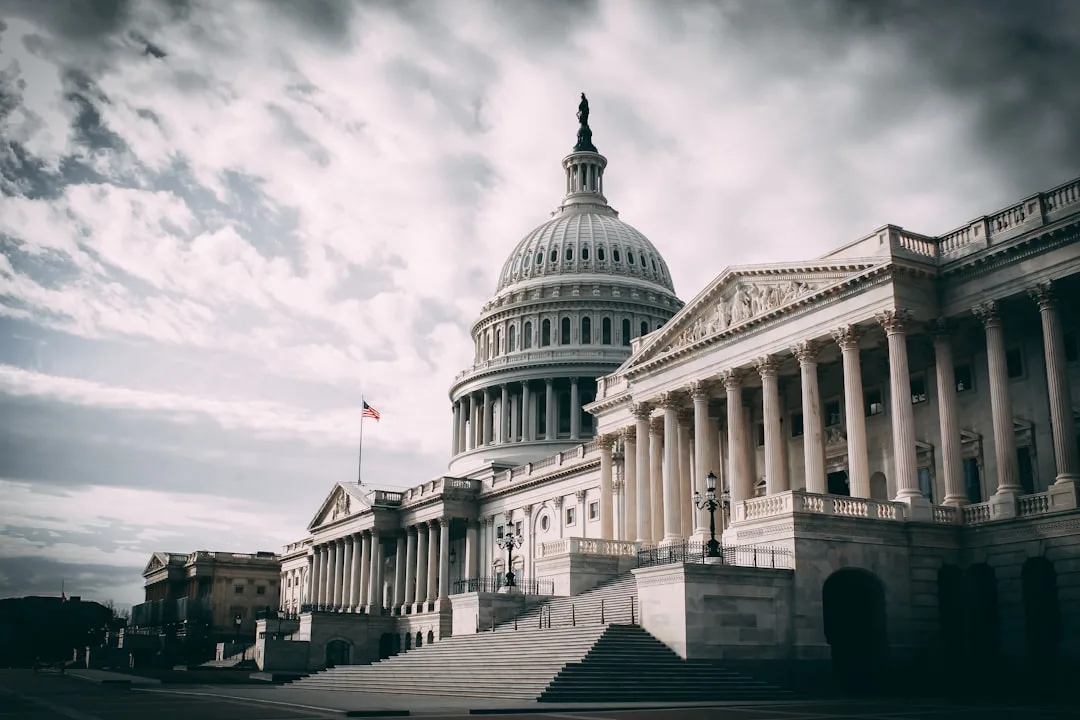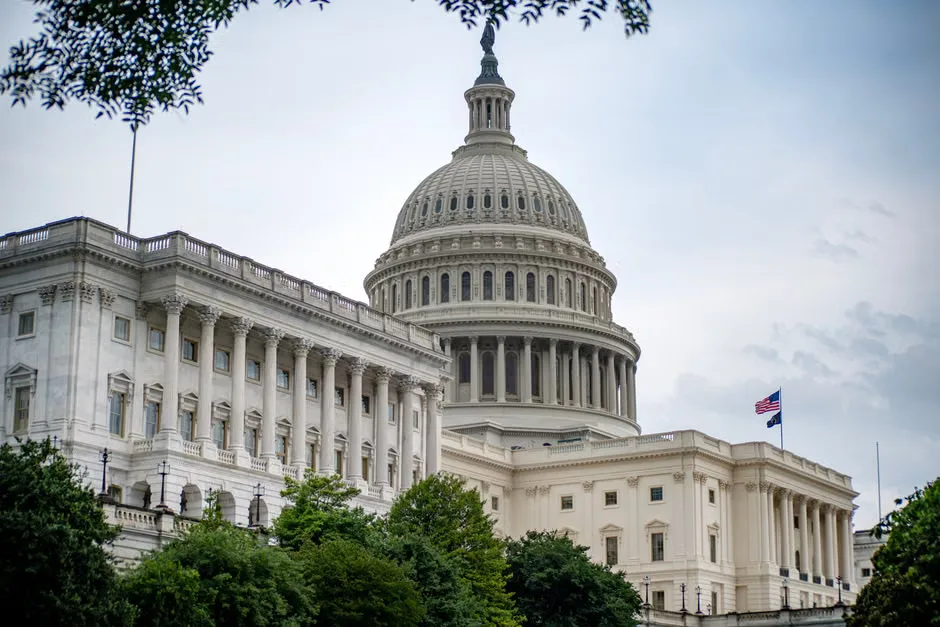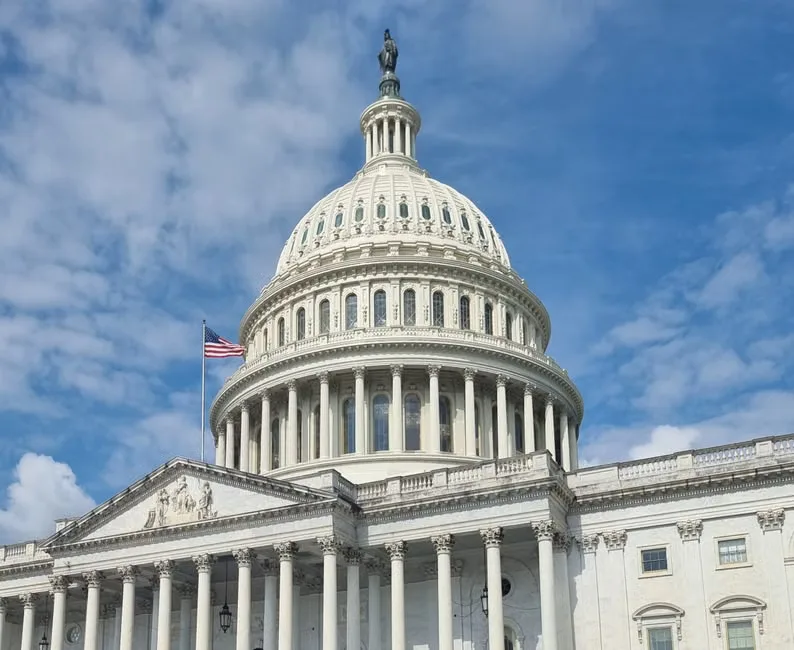
Congress has returned to Washington with the next federal funding cycle already drawing attention, as lawmakers begin the long process of shaping spending plans for fiscal year 2027. While major deadlines are still ahead, the reopening of legislative business places renewed focus on appropriations, broader budget negotiations and the potential for another clash over government funding.
The annual spending process is often one of the clearest tests of whether Congress can move must-pass legislation through both chambers on time. In the months ahead, House and Senate lawmakers are expected to weigh agency funding levels, policy riders and competing demands tied to defense, domestic programs and deficit concerns. Even at this early stage, the return of Congress signals the beginning of a politically sensitive debate that could carry into the next budget deadlines.
Fiscal fights have become a recurring feature of Capitol Hill, with recent years marked by temporary funding measures, late-stage negotiations and repeated warnings about possible shutdowns. That history is likely to shape the FY2027 discussion, especially as lawmakers balance pressure from party leaders, rank-and-file members and the White House over spending limits and policy goals.
Funding process likely to unfold in stages
Congress typically starts with committee hearings and budget planning before appropriators begin drafting the 12 annual spending bills that fund federal agencies and programs. Those measures can move individually, but delays often lead lawmakers to bundle them together or rely on short-term extensions to keep the government operating while talks continue.
For both parties, the challenge is not only setting topline numbers but also deciding which priorities deserve protection or expansion. Defense spending, border security, health programs, infrastructure and education funding are among the issues that frequently emerge in these negotiations. Differences between the House and Senate can further complicate the process, particularly when each chamber advances competing versions of spending legislation.
The broader political environment may also influence the pace of talks. Election-year calculations, internal party divisions and debates over the federal deficit can make compromise harder, even when there is broad agreement that a shutdown should be avoided. As a result, early procedural steps in the FY2027 cycle may carry outsized significance for how smoothly the process develops later.
Early attention, familiar stakes
Although Congress still has time before final FY2027 funding decisions must be made, the opening phase matters because it helps define negotiating positions and signals where conflict could emerge. Committee activity, leadership messaging and preliminary spending proposals are all likely to offer clues about whether lawmakers are preparing for a conventional appropriations process or another drawn-out funding battle.
For now, the return of Congress does not mean an immediate budget crisis. But it does mark the start of a consequential stretch in which lawmakers will again be judged on their ability to finance the government, manage partisan differences and meet deadlines that have repeatedly tested Capitol Hill in recent years.
Key questions
- What is FY2027 funding?
- FY2027 funding refers to the federal government spending plans and appropriations for fiscal year 2027, which Congress must approve to finance agencies and programs.
- Why does Congress face pressure early in the funding process?
- Early action helps lawmakers set spending priorities, move appropriations bills through committees and reduce the risk of late negotiations or temporary funding measures.