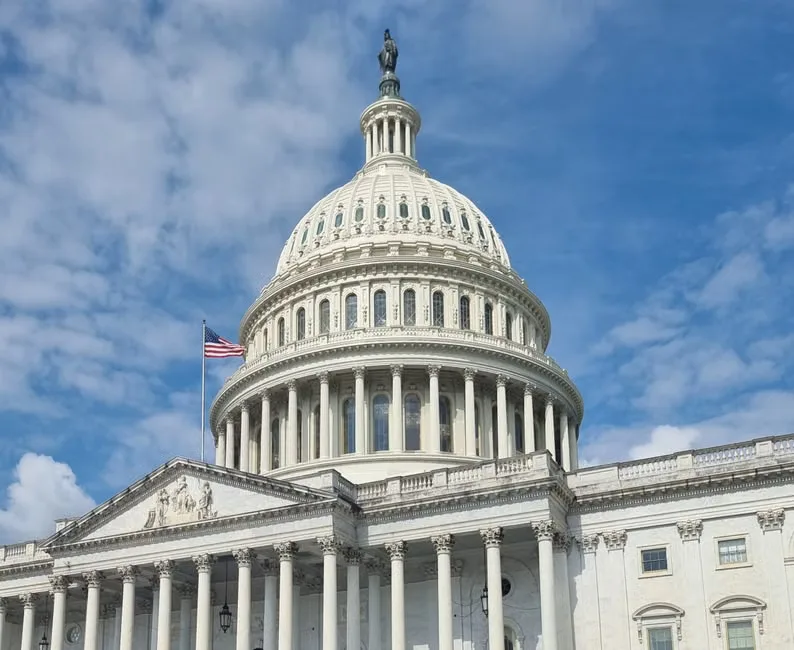
Congress is renewing attention on skills-based hiring in the federal government, adding momentum to a long-running effort to make agency recruiting less dependent on college degrees and more focused on what applicants can do on the job.
The renewed push comes as federal agencies continue to face stiff competition for workers in technology, cybersecurity, engineering, finance and other fields where private-sector employers often move faster and pay more. Supporters of the approach say skills-based hiring could help agencies reach qualified candidates who have gained experience through military service, apprenticeships, community college programs, industry certifications or prior work rather than a four-year degree.
Federal hiring has traditionally relied on education requirements, occupational series rules and lengthy application reviews. While degrees remain important for many roles, workforce specialists have argued that rigid credential screening can exclude otherwise capable applicants and slow hiring at a time when agencies are managing retirements, staffing gaps and expanding digital demands.
Focus on practical qualifications
Skills-based hiring generally means identifying the specific competencies required for a job and evaluating candidates through those measures. That can include technical assessments, structured interviews, work samples or evidence of relevant training. The model is intended to clarify what agencies actually need from employees and to reduce the use of degree requirements when they are not legally or practically necessary.
The concept has drawn interest across administrations and from both parties in Congress, in part because it can be framed as a way to improve government performance while opening more pathways into public service. Federal personnel leaders have also encouraged agencies to review job postings and remove unnecessary barriers where possible.
Implementation remains the challenge
Changing federal hiring practices, however, is not as simple as editing vacancy announcements. Agencies must train hiring managers, update human resources systems, ensure assessments are fair and comply with merit system rules, and coordinate with the Office of Personnel Management. Unions and employee advocates also watch closely to ensure new methods do not weaken transparency or create inconsistent standards.
Another challenge is measuring whether the approach works. Agencies would need to track whether skills-based practices shorten hiring times, improve retention, broaden applicant pools and lead to better job performance. Without consistent data, it may be difficult for Congress and federal personnel officials to judge whether reforms are producing meaningful results.
The latest congressional interest signals that federal workforce modernization remains a priority even amid broader debates over spending, agency operations and the future of the civil service. If lawmakers advance new requirements or reporting measures, agencies could face added pressure to demonstrate that hiring decisions are tied to skills, not unnecessary credentials.
Key questions
- What is skills-based federal hiring?
- Skills-based federal hiring focuses on the abilities, experience and competencies needed for a job rather than relying primarily on degrees or traditional credentials.
- Why is Congress interested in skills-based hiring?
- Lawmakers are looking for ways to help agencies compete for talent, fill vacancies faster and broaden access to federal jobs for qualified applicants with nontraditional backgrounds.