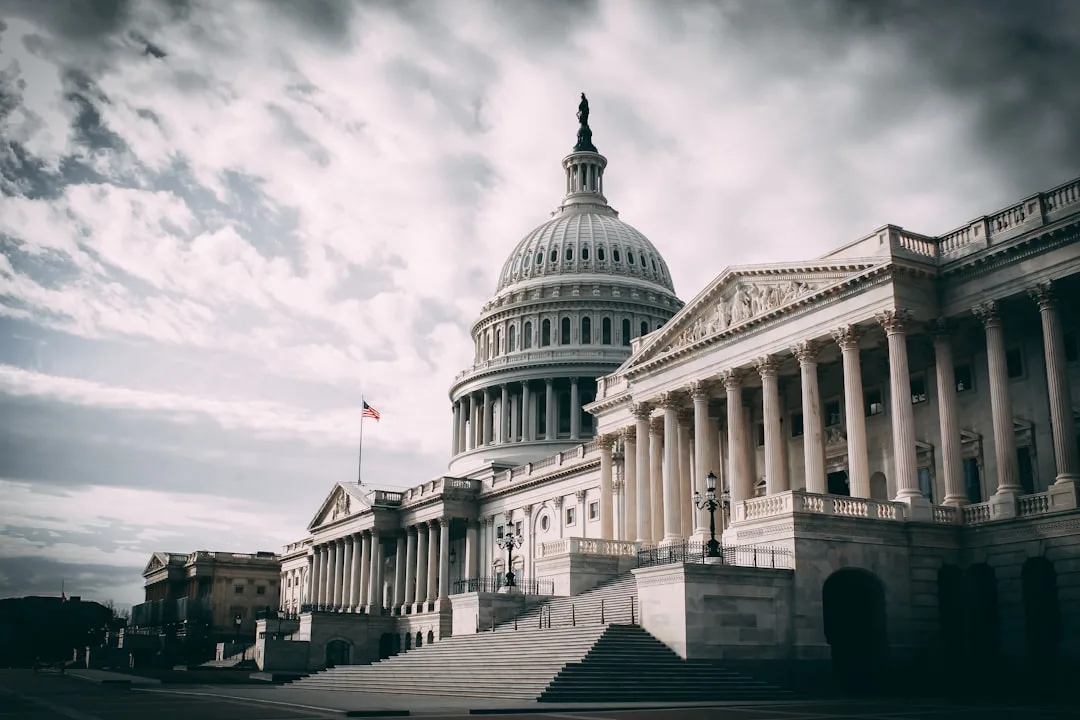
Republicans returned to Capitol Hill with a more uncertain agenda after Graham's death complicated party planning in Washington. The shift comes as House and Senate Republicans try to organize votes, manage committees, and keep attention on core legislative goals.
The Republican conference had expected to press ahead on a familiar set of issues, including spending fights, oversight work, and election-year messaging. Instead, leaders must also navigate the practical and political effects of a changed lineup on Capitol Hill, where narrow margins often shape outcomes. Control of Congress has repeatedly turned on a handful of seats in recent years, and the House has operated under especially tight margins during this period (U.S. House of Representatives).
Public coverage of the moment has framed the challenge as both procedural and strategic, with party leaders balancing tribute, transition, and legislative timing. In practical terms, Republicans must decide how quickly to resume normal floor business while also accounting for the loss's effect on caucus unity and vote counting.
Republican agenda faces new Capitol Hill test
The immediate issue is arithmetic as much as messaging. When margins are narrow, the death of a member or senior political figure can affect scheduling, attendance, committee operations, and negotiations with the opposing party. That means even routine business can become harder to manage, especially if leadership had planned to move several priorities in quick succession.
The broader issue is political discipline. Republicans returning to Capitol Hill are doing so at a time when every move is likely to be judged through the lens of campaign strategy as well as governance. A disruption like this can slow momentum, push leaders to reorder the calendar, and reopen internal debates over which bills deserve floor time first.
Committee work may also feel the effects. Senior lawmakers often play key roles in setting hearing agendas, guiding member outreach, and maintaining coordination between leadership offices and rank-and-file members. Even when formal rules remain unchanged, the absence of an established figure can alter how quickly decisions are made and how confidently members line up behind them.
For Republicans, that matters because Capitol Hill is entering another high-stakes stretch. Spending deadlines, oversight disputes, and policy messaging around taxes, immigration, and federal power all require a unified approach if party leaders want to show progress. Any interruption can hand the opposition more leverage in negotiations or force leadership to narrow its ambitions.
At the same time, the party may try to present steadiness rather than crisis. Lawmakers often respond to these moments by emphasizing continuity, signaling that committee assignments, legislative plans, and leadership structures will keep functioning. That approach can reassure members and supporters, but it does not erase the reality that a closely divided Congress leaves little room for disorganization.
What happens next will depend on how quickly Republicans settle the immediate political questions created by Graham's death and whether leadership adjusts its timetable. If party leaders can restore internal coordination, they may still move key pieces of their agenda in the near term. If not, Capitol Hill could see more stop-and-start legislating as members weigh tribute, transition, and tactical delay.
The episode also highlights a recurring truth about Congress: institutions run on both rules and relationships. Legislative calendars, committee plans, and vote counts may look technical from the outside, but they are deeply affected by personalities, trust, and continuity. On Capitol Hill, a single loss can quickly ripple through the broader agenda, especially when partisan control is tight and every vote carries extra weight.
Key questions
- Why does Graham's death complicate the Republican agenda on Capitol Hill?
- A loss tied to party operations can disrupt vote counting, committee coordination, and leadership planning, especially in a narrowly divided Congress. It can also force lawmakers to adjust timing on major legislative priorities while managing the political impact of the moment.
- What issues are Republicans likely to focus on as they return to Congress?
- Republicans are expected to keep attention on spending, oversight, and other high-profile policy fights that shape their broader political message. Their ability to move those priorities will depend on caucus unity, floor scheduling, and the balance of power in Congress.