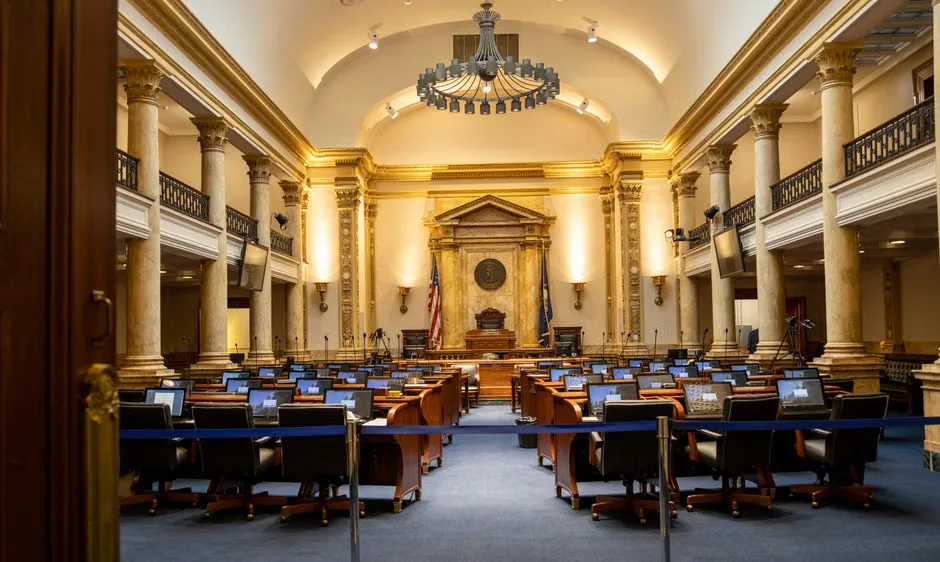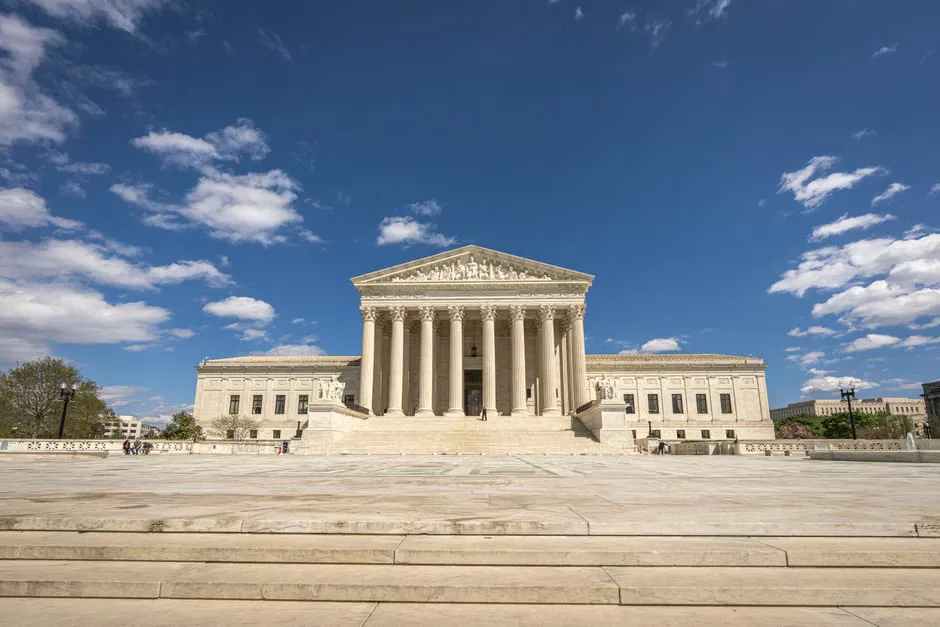
Sen. Chris Coons and a group of legal experts are warning that the Supreme Court risks weakening Congress’ constitutional authority, according to a new essay highlighted by the Delaware Democrat’s office.
The argument centers on the balance of power among the three branches of government and the role of courts in interpreting laws passed by elected lawmakers. Coons, a Democrat who serves on the Senate Judiciary Committee, has frequently criticized rulings he says give the judiciary too much influence over major national policy questions.
The essay, as described by Coons’ office, cautions against judicial decisions that could narrow Congress’ ability to write laws, delegate responsibilities to federal agencies or respond to complex policy issues. The warning reflects a continuing dispute in Washington over whether the high court is appropriately enforcing constitutional limits or moving too aggressively into questions traditionally handled by Congress.
Separation of powers debate intensifies
The Supreme Court’s conservative majority has issued a series of decisions in recent years that have reshaped areas of federal law, including administrative authority, environmental regulation, voting rules and executive power. Supporters of those rulings say the court has properly limited federal overreach and required clearer instructions from Congress. Critics say the decisions have made it harder for lawmakers and agencies to address modern problems.
Coons and the legal experts frame the issue as a threat to representative government. Their concern is that if courts repeatedly restrict how Congress legislates or how agencies carry out laws, unelected judges could gain outsized control over policy. That argument is likely to resonate with Democrats who have called for ethics changes, greater transparency and broader scrutiny of the Supreme Court.
Republicans and conservative legal advocates have generally rejected claims that the court is stripping power from Congress. They often argue that Congress has too often relied on broad statutory language and agency discretion instead of making specific policy choices. In their view, the court is restoring accountability by requiring lawmakers to speak clearly before major federal actions are taken.
The debate is expected to remain central to fights over regulation, executive authority and judicial nominations. Congress retains the power to pass new laws, revise existing statutes and set the structure of lower federal courts, but its ability to respond to Supreme Court decisions often depends on narrow majorities and difficult legislative negotiations.
Coons’ warning adds to a broader political conversation about the court’s direction and its relationship with the elected branches. While the essay does not itself change law, it signals continued pressure from Senate Democrats to challenge rulings they believe diminish Congress’ role in the constitutional system.
Key questions
- What did Sen. Chris Coons and legal experts warn about?
- They warned that Supreme Court decisions could limit Congress’ authority and shift more policy power to the judiciary.
- Why is this issue politically significant?
- The debate affects how federal laws are interpreted, how agencies enforce statutes and how much authority elected lawmakers retain compared with the courts.