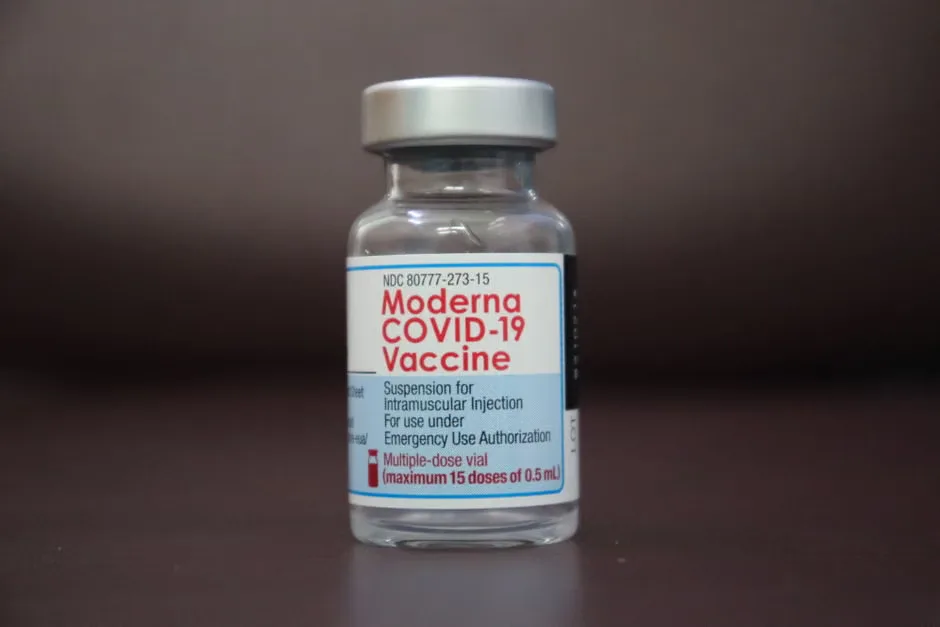
The FDA flu shot approval process is currently reviewing a new vaccine technology designed to enhance seasonal protection. Federal regulators are weighing the efficacy of this platform against existing standards to determine its viability for public distribution.
This move comes as the agency seeks to modernize vaccine production to respond faster to mutating strains. According to the Centers for Disease Control and Prevention, seasonal flu vaccines typically reduce the risk of illness by 40% to 60% when well-matched. The current FDA flu shot approval framework is being tested as the agency considers shifting away from legacy production methods to minimize the mismatch that often occurs with traditional shots.
Robert F. Kennedy Jr. has expressed skepticism regarding the safety profiles of newer vaccine platforms, suggesting that the long-term effects of such technology require more rigorous investigation.
The shift toward synthetic platforms allows for more rapid updates to the vaccine's genetic sequence. This agility is critical for combating the rapid evolution of influenza viruses, and this specific FDA flu shot approval could signal a permanent shift in how the government handles annual pandemics.
However, the political climate surrounding public health has intensified. The tension between regulatory science and public skepticism creates a challenging environment for vaccine uptake, meaning the FDA flu shot approval must be accompanied by transparent data to maintain public trust.
The Future of FDA Flu Shot Approval
The FDA's review process involves rigorous phases of clinical trials to ensure that any new technology does not introduce unforeseen adverse effects. The agency typically relies on the Vaccines and Related Biological Products Advisory Committee to provide independent expert advice. This committee examines data on immunogenicity and reactogenicity to ensure the benefit-risk profile remains favorable for the general population.
The FDA flu shot approval timeline will depend on the results of these clinical trials and the ability of the manufacturer to prove that the new technology is superior to current options. Public hearings may be scheduled to address safety concerns and provide transparency regarding the data used to justify the approval of the new technology.
Traditional flu shots rely on egg-based production, a process that can take several months and occasionally lead to mutations that reduce effectiveness. The standard FDA flu shot approval path for these legacy vaccines requires the selection of strains nearly six months in advance, leaving a window for the virus to evolve. Newer technologies aim to close this gap, offering a more responsive approach to global health threats.
Key questions
- What is the FDA reviewing regarding flu shots?
- The FDA is evaluating a new vaccine technology that differs from traditional egg-based methods. This technology aims to provide faster production and better strain matching for seasonal influenza.
- Why is Robert F. Kennedy Jr. questioning this technology?
- RFK Jr. has raised concerns about the long-term safety and the rigorousness of the testing for newer vaccine platforms. He advocates for more extensive longitudinal studies before widespread adoption.