You sit at a desk for hours, and by the end of the day, your hips feel tight, achy, or even painful. That’s your hip flexors—the muscles that lift your knees—shortening and stiffening from being in a seated position. The fix? A few targeted stretches you can do in just a few minutes. Here are five simple stretches to loosen tight hip flexors from sitting.
The Problem: Why Sitting Tightens Your Hip Flexors
When you sit, your hip flexors (primarily the psoas and iliacus) are in a shortened position. Over time, they adapt and become less flexible. This tightness can pull on your pelvis, leading to lower back pain, poor posture, and reduced hip mobility. Stretching these muscles regularly counteracts the damage.
The 5 Stretches
1. Standing Quad Stretch with Hip Flexor Emphasis
Why it works: This stretch targets both the quadriceps and the rectus femoris (a quad muscle that also acts as a hip flexor).
- Stand tall, holding onto a wall or chair for balance.
- Bend your right knee, bringing your heel toward your glutes.
- Grab your right ankle with your right hand, keeping your knees together.
- Gently pull your heel closer while tucking your hips slightly forward. You should feel a stretch in the front of your hip and thigh.
- Hold for 30 seconds, then switch sides. Repeat 2–3 times per side.
2. Low Lunge (Runner’s Lunge)
Why it works: This stretch directly lengthens the hip flexors of the back leg.
- Start in a high plank position or on your hands and knees.
- Step your right foot forward between your hands, aligning your right knee over your ankle.
- Lower your left knee to the floor and untuck your toes so the top of your foot rests on the ground.
- Keeping your torso upright, gently push your hips forward until you feel a stretch in the front of your left hip.
- Hold for 30 seconds, breathing deeply. Switch sides. Repeat 2–3 times per side.
3. Butterfly Stretch (Seated Groin and Hip Flexor)
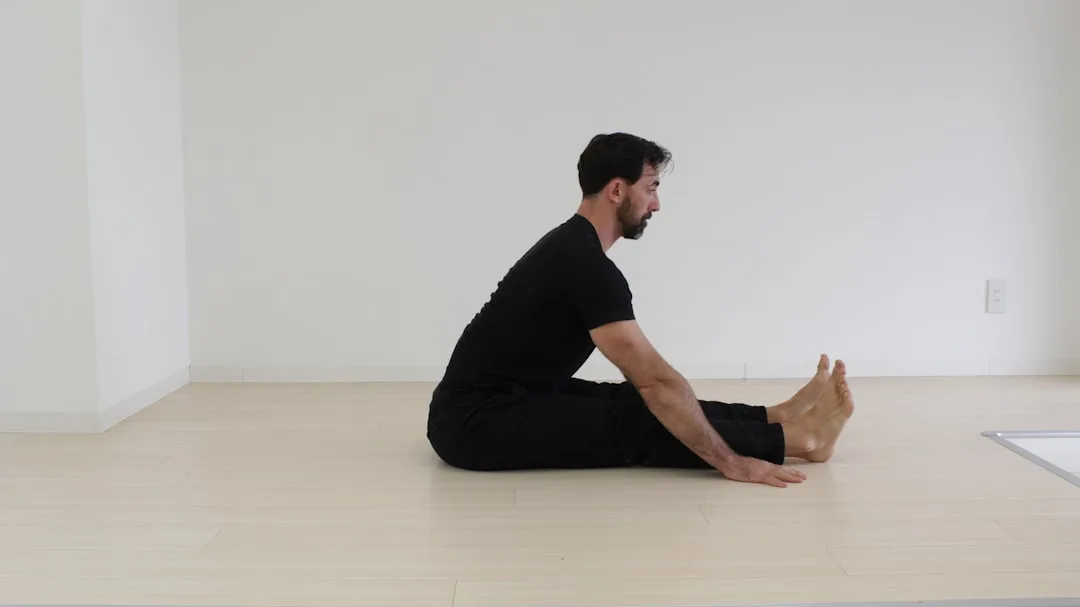
Why it works: This position opens the hips and stretches the inner thighs, which can assist in releasing tension around the hip flexors.
- Sit on the floor with your spine tall and the soles of your feet pressed together.
- Let your knees fall open to the sides like a butterfly’s wings.
- Place your hands on your ankles or feet, and gently press your knees toward the floor using your elbows if comfortable.
- Keep your back straight—avoid rounding forward. Hold for 30–60 seconds. Repeat 2–3 times.
4. Supine Figure-Four Stretch (Lying Pigeon Pose)
Why it works: This classic hip-opening stretch targets the external rotators and helps release deep hip flexor tension.
- Lie on your back with both knees bent and feet flat on the floor.
- Cross your right ankle over your left thigh, just above the knee.
- Lift your left foot off the floor and clasp your hands behind your left thigh.
- Gently pull your left leg toward your chest until you feel a stretch in your right hip and glute.
- Hold for 30 seconds, then switch sides. Repeat 2–3 times per side.
5. Kneeling Hip Flexor Stretch (with Optional Lunge)
Why it works: This stretch isolates the hip flexors on the back leg and can be intensified with a side bend.
- Kneel on your left knee, with your right foot planted forward, knee at a 90-degree angle.
- Place your hands on your right thigh or hips for support.
- Tuck your pelvis slightly (like you're trying to squeeze your glutes) and gently push your hips forward.
- For a deeper stretch, raise your left arm overhead and lean to the right side. Hold for 30 seconds, then switch sides. Repeat 2–3 times per side.
Tips for Best Results
- Breathe: Inhale to prepare, exhale as you sink deeper into each stretch.
- Frequency: Aim for these stretches at least once daily, especially after long periods of sitting.
- Warm-up: A few minutes of walking or gentle movement beforehand can make stretching more effective.
- Listen to your body: Stretch to the point of mild tension, not pain.
Frequently Asked Questions
1. How often should I do these stretches for tight hip flexors from sitting?
For best results, perform these stretches daily. Even a single round after each work session can significantly reduce stiffness over time.
2. Can these stretches help with lower back pain caused by tight hips?
Yes, tight hip flexors often contribute to lower back pain. Loosening them can relieve tension on the pelvis and lower back, potentially reducing discomfort.
3. I have a herniated disc—are these stretches safe?
Some stretches, like the low lunge, may stress the back. If you have a spinal condition, consult a physical therapist before trying new stretches.
4. How long until I notice improvement in hip flexibility?
Consistency is key. With daily stretching, many people feel a difference within 1–2 weeks. Full flexibility gains may take several weeks to months.
Key Takeaways
- Sitting shortens and tightens hip flexors, leading to discomfort and poor posture.
- Perform these five stretches—standing quad, low lunge, butterfly, figure-four, and kneeling hip flexor—daily.
- Hold each stretch for 30 seconds, breathe deeply, and never push into pain.
- Combine stretching with regular movement breaks throughout the day.
Disclaimer: This article is for general informational purposes only and does not constitute medical advice. Always consult a qualified healthcare professional before starting any new exercise program, especially if you have a pre-existing condition or injury.