BBC health editors outline strategies for hearing protection to future-proof your ears against irreversible damage. The advice, released July 2026, targets adults exposed to occupational and recreational noise.
Hearing loss affects over 1.5 billion people globally, making it one of the most common sensory impairments, according to the World Health Organization (WHO). In the United States alone, approximately 37 million adults report some degree of trouble hearing, a figure that rises with age and cumulative noise exposure.
BBC health editors emphasize that early intervention and consistent use of ear protection can significantly reduce the risk of noise-induced hearing loss.
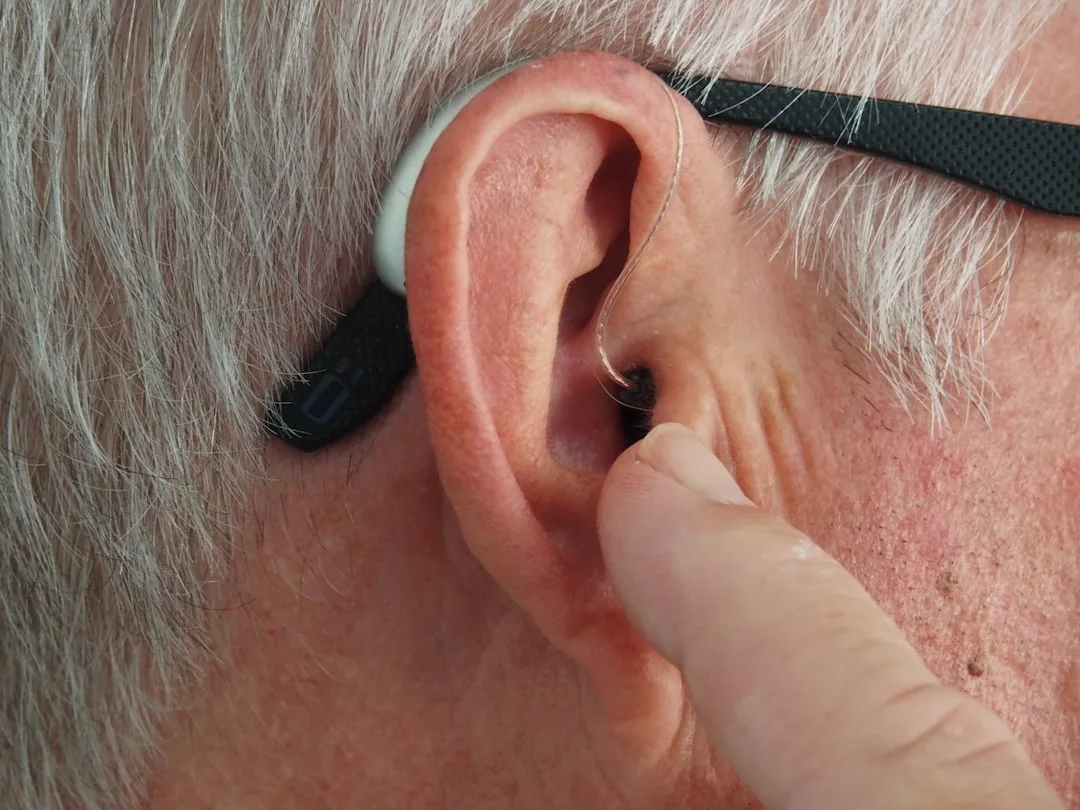
Experts categorize hearing protection into three main types: foam earplugs, silicone inserts, and over‑the‑ear earmuffs, each offering different levels of attenuation suitable for environments ranging from construction sites to music venues. Proper fit is critical; a poorly sealed plug can lose up to 50 % of its intended noise reduction, underscoring the need for users to follow manufacturer instructions and replace disposable plugs regularly. Additionally, taking quiet breaks every hour in loud settings allows the auditory system to recover, reducing cumulative stress on hair cells.
Beyond physical devices, behavioral adjustments such as lowering personal audio device volume to below 60 % of maximum and using noise‑cancelling headphones in transit can further shield hearing. Smartphone apps that monitor ambient decibel levels provide real‑time feedback, helping users avoid prolonged exposure above 85 dB, the threshold at which damage begins. Regular audiometric screenings, recommended annually for those over 50 or biannually for high‑risk workers, enable early detection of threshold shifts before they become noticeable.
Looking ahead, public health campaigns aim to integrate hearing checks into routine workplace wellness programs, while manufacturers develop smart earplugs that automatically adjust attenuation based on real‑time noise levels. Legislative bodies in several countries are reviewing standards for maximum allowable noise in entertainment venues, potentially lowering limits to better protect patrons. These combined efforts could shift societal norms toward proactive hearing conservation within the next decade.
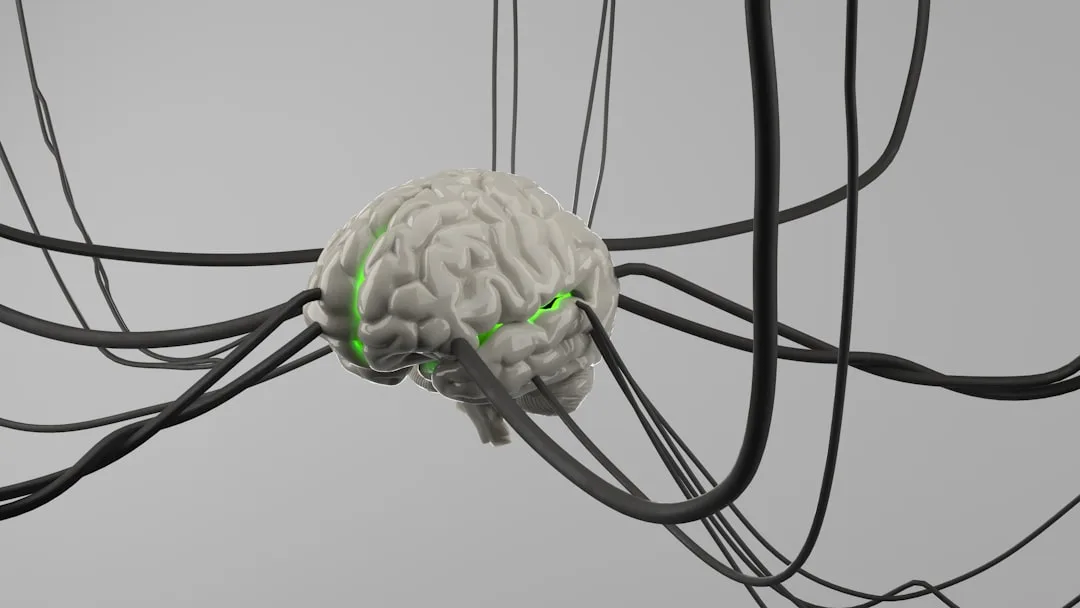
The human ear contains roughly 15,000 hair cells in the cochlea that convert sound vibrations into neural signals; unlike other cells, they do not regenerate once damaged, making prevention the only effective strategy against permanent hearing loss. Understanding this biology underscores why even modest, repeated exposure to loud sounds can lead to irreversible impairment over time, reinforcing the message that protecting hearing today preserves communication and quality of life for years to come.
Effective Hearing Protection Practices
Implementing these simple measures—consistent use of appropriate ear protection, mindful volume control, and periodic hearing evaluations—creates a robust defense against the gradual erosion of hearing ability.
Key questions
- What is the most effective way to prevent noise-induced hearing loss?
- The most effective prevention combines consistent use of properly fitted ear protection, limiting exposure to sounds above 85 decibels, and undergoing regular hearing screenings. These steps reduce the risk of damaging the cochlear hair cells that do not regenerate.
- How often should adults have their hearing tested?
- Adults over 50 should have a baseline audiogram annually, while those in high‑risk occupations or with frequent loud‑noise exposure may need testing every six months. Early detection allows for timely intervention before hearing loss becomes noticeable.