Scientists are taking a closer look at whether “smell training” — a routine that involves regularly identifying and recalling a set of scents — could do more than improve the sense of smell. Early research suggests the practice may also be linked to gains in memory, attention and other aspects of cognition, adding to growing interest in how the nose and brain work together.
Smell training is not new. It has often been used to help people recover their sense of smell after illness or injury, including after viral infections. The method is generally simple: participants smell a small group of distinct odors, such as floral, citrus, clove or eucalyptus scents, for a few seconds at a time on a repeated schedule over weeks or months.
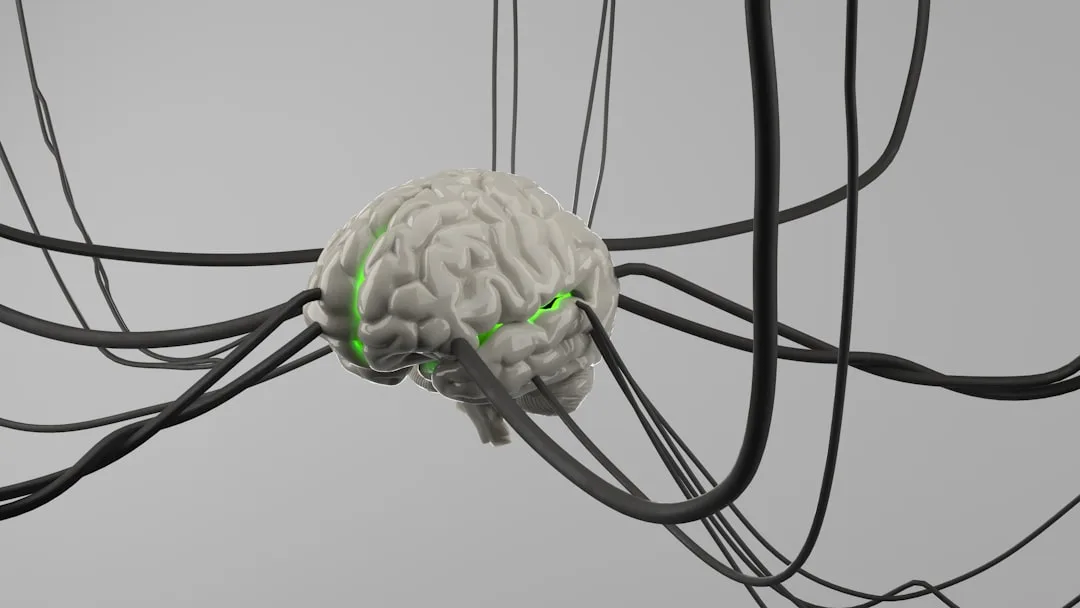
Researchers say the idea behind the approach is rooted in biology. The olfactory system has direct connections to areas of the brain involved in emotion and memory, including the hippocampus. Because of those links, some scientists believe repeated stimulation of smell pathways could help strengthen neural activity related to thinking and recall.
Several small studies have reported encouraging findings. In some cases, older adults who followed scent-based routines showed improvement on tests tied to verbal memory, learning or focus. Other work has suggested that engaging the olfactory system may support brain plasticity, the ability of the brain to adapt and form new connections over time.
Still, health specialists caution that the evidence remains preliminary. Many of the studies so far have involved limited numbers of participants, short follow-up periods or differing training methods, making it difficult to compare results or determine how meaningful the effects may be in everyday life.
Experts also note that smell function itself can be a signal of broader health. Reduced ability to detect odors has been associated in some research with aging, neurodegenerative disease and other medical conditions. That does not mean smell training can prevent or treat those disorders, but it has helped spur interest in whether the sense of smell could be used as a low-cost tool in brain health research.
Doctors say people interested in trying smell training should view it as a wellness practice rather than a proven cognitive treatment. It is generally low risk when done with familiar, nonirritating scents, but it should not replace medical evaluation for persistent smell loss, memory changes or other neurological symptoms.
For now, the strongest takeaway is one of cautious optimism. Researchers see enough promise to continue studying whether repeated scent exposure can play a meaningful role in supporting cognition, especially in older adults or people recovering from smell impairment. But until larger, well-controlled trials are completed, scientists say smell training should be considered an intriguing possibility rather than an established therapy.
Why the research is drawing attention
The topic has gained notice as scientists search for accessible, noninvasive ways to support healthy aging and cognitive function. Smell training is inexpensive, easy to do at home and tied to a sensory system that may offer a direct window into brain health. Whether that promise holds up in larger studies remains the key question.
Key questions
- What is smell training?
- Smell training is a routine in which a person repeatedly smells and identifies a set of distinct scents over time, often to help restore or strengthen the sense of smell.
- Does smell training improve cognition?
- Early studies suggest smell training may help some aspects of memory or attention, but experts say the evidence is still limited and larger studies are needed.