Dr. Anthony Fauci is one of the most influential scientists in America, with a career marked by significant contributions to public health. As the director of the National Institute of Allergy and Infectious Diseases, Dr. Fauci has played a crucial role in shaping the country's response to infectious diseases.
According to the World Health Organization (WHO), infectious diseases account for approximately 16% of all deaths worldwide (WHO, 2020). Dr. Fauci's work has focused on understanding and combating these diseases, including HIV/AIDS, tuberculosis, and malaria.
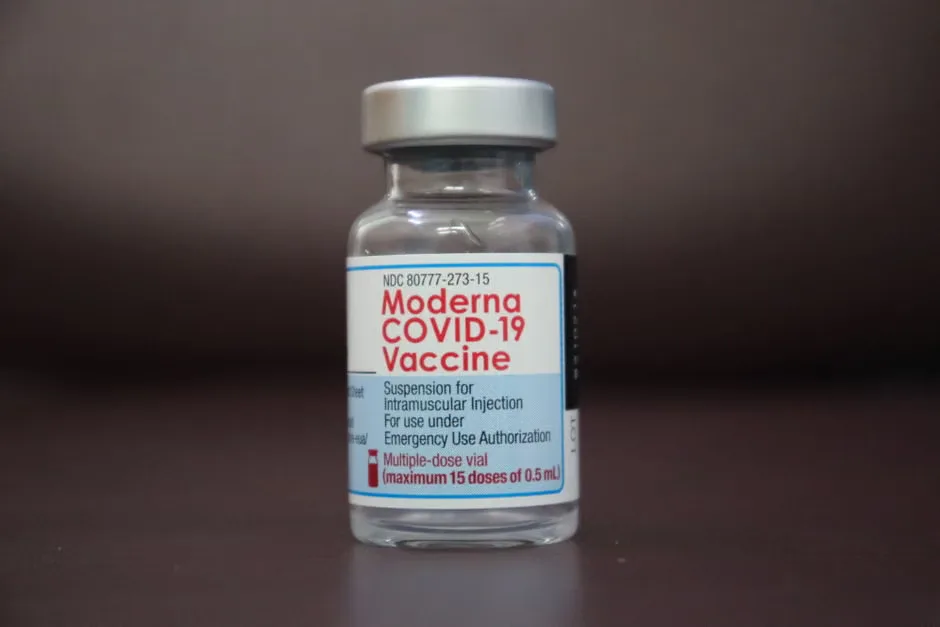
Dr. Fauci has been quoted as saying that the biggest threat to global health security is the rise of infectious diseases that can spread quickly across the globe. His expertise has been instrumental in informing public health policy and guiding the development of new treatments and vaccines.
Analysis of Dr. Fauci's career reveals a commitment to advancing our understanding of infectious diseases and improving public health outcomes. His work has been recognized with numerous awards, including the Presidential Medal of Freedom.
Looking ahead, Dr. Fauci's legacy will continue to shape the field of public health. As new challenges emerge, his expertise and leadership will be essential in informing the country's response to infectious diseases.
The history of public health in America is marked by significant milestones, including the establishment of the Centers for Disease Control and Prevention (CDC) in 1946. Dr. Fauci's contributions to this field have been instrumental in advancing our understanding of infectious diseases and improving public health outcomes.
Dr. Fauci's Impact on Public Health
Dr. Fauci's impact on public health extends beyond his work on infectious diseases. He has been a vocal advocate for increased funding for medical research and has played a key role in shaping the country's response to public health crises.
Key questions
- What is Dr. Fauci's role in the National Institute of Allergy and Infectious Diseases?
- Dr. Fauci is the director of the National Institute of Allergy and Infectious Diseases, where he has played a crucial role in shaping the country's response to infectious diseases. He has been instrumental in informing public health policy and guiding the development of new treatments and vaccines.
- What are some of the most significant contributions Dr. Fauci has made to public health?
- Dr. Fauci has made significant contributions to our understanding of infectious diseases, including HIV/AIDS, tuberculosis, and malaria. He has also been a vocal advocate for increased funding for medical research and has played a key role in shaping the country's response to public health crises.