That annoying little fluttering under your eyelid just won't quit. It can range from a subtle tremor to a full-blown spasm that disrupts your concentration. If you're here, you've probably tried ignoring it, blinking hard, or wishing it away. The good news? Eyelid twitching, known medically as benign essential blepharospasm, is usually harmless and often resolves on its own. But if you're looking to speed up that process, there are several natural remedies that genuinely work.
Why Is Your Eye Twitching? Common Triggers
Before we get to the remedies, it helps to understand what might be causing your twitch. Common triggers include:
- Stress – anxiety and tension make muscles hyperactive.
- Fatigue – not getting enough sleep is one of the biggest culprits.
- Eye strain – too much screen time, especially without breaks.
- Caffeine and alcohol – both can overstimulate the nervous system and dehydrate tissues.
- Dry eyes – a dry surface can irritate the eyelid muscles.
- Nutritional deficiencies – low levels of magnesium, potassium, or calcium can cause spasms.
- Allergies – rubbing itchy eyes can worsen twitching.
Now, here are five natural remedies that can help quiet that stubborn twitch.
5 Natural Remedies to Stop Eye Twitching
1. Prioritize Sleep and Eye Rest
Fatigue is the most common trigger for eye twitching. When you're exhausted, your muscles – including the tiny ones around your eye – are more likely to spasm.
Here's what you can do:
- Aim for 7–9 hours of sleep each night. Go to bed and wake up at the same time daily to regulate your body clock.
- During the day, practice the 20-20-20 rule: every 20 minutes, look away from your screen at something 20 feet away for at least 20 seconds. This gives your eye muscles a break.
- If you work on a computer, adjust your posture and screen brightness to reduce eye strain.
2. Cut Back on Caffeine and Alcohol
Both caffeine and alcohol can trigger or worsen eye twitching. Caffeine stimulates your nervous system, while alcohol dehydrates you and disrupts sleep quality.
- Reduce coffee, black tea, green tea, soda, and energy drinks. If you usually drink several cups a day, cut down gradually to avoid withdrawal headaches.
- Limit alcohol, especially in the evenings. Try replacing your evening drink with a relaxing herbal tea like chamomile.
- Watch for hidden caffeine in chocolate and some over-the-counter pain relievers.
3. Practice Stress Reduction Techniques
When you're stressed, your body releases cortisol and adrenaline, which can keep your muscles on edge. Managing stress is key to stopping the twitch.
- Deep breathing: Try the 4-7-8 technique – inhale for 4 seconds, hold for 7, exhale for 8. Repeat several times.
- Meditation: Spend 5–10 minutes a day focusing on your breath or using a guided meditation app.
- Gentle yoga or stretching: These can release physical tension from your whole body, including your face.
- Take short breaks: Just stepping away from your desk for 5 minutes can lower stress levels.
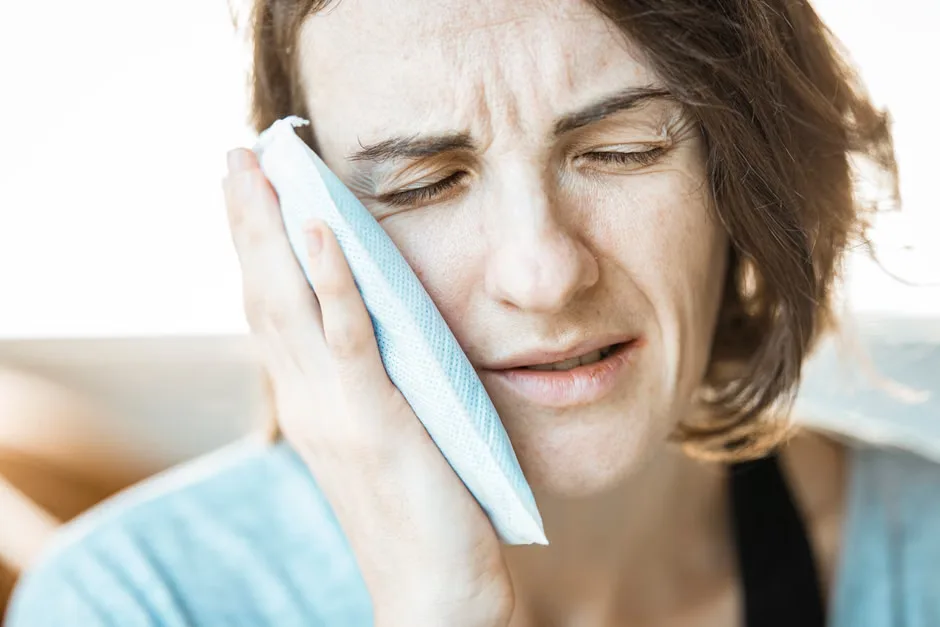
4. Apply Warm Compresses and Gentle Massage
Heat relaxes muscles and improves blood flow, which can soothe a twitching eyelid. A warm compress is a simple, drug-free remedy.
- Soak a clean, soft cloth in warm (not hot) water.
- Wring it out well.
- Place it over your closed eyelid for 5–10 minutes once or twice a day.
- After removing the compress, gently massage your eyelid in circular motions with a clean fingertip for about a minute.
This also helps if dry eyes are the culprit, as the warmth can stimulate oil production in your eyelids.
5. Boost Nutrient Intake and Stay Hydrated
Muscle twitches are often linked to nutrient imbalances, especially low levels of magnesium. Magnesium helps muscles relax. Other important minerals include potassium and calcium.
Add these foods to your diet:
- Magnesium: almonds, spinach, black beans, pumpkin seeds, bananas, and dark chocolate.
- Potassium: avocados, sweet potatoes, oranges, and lentils.
- Calcium: dairy products, leafy greens like kale, and fortified plant milks.
Dehydration can also trigger muscle spasms. Drink plenty of water throughout the day – aim for 8 cups or more, depending on your activity level.
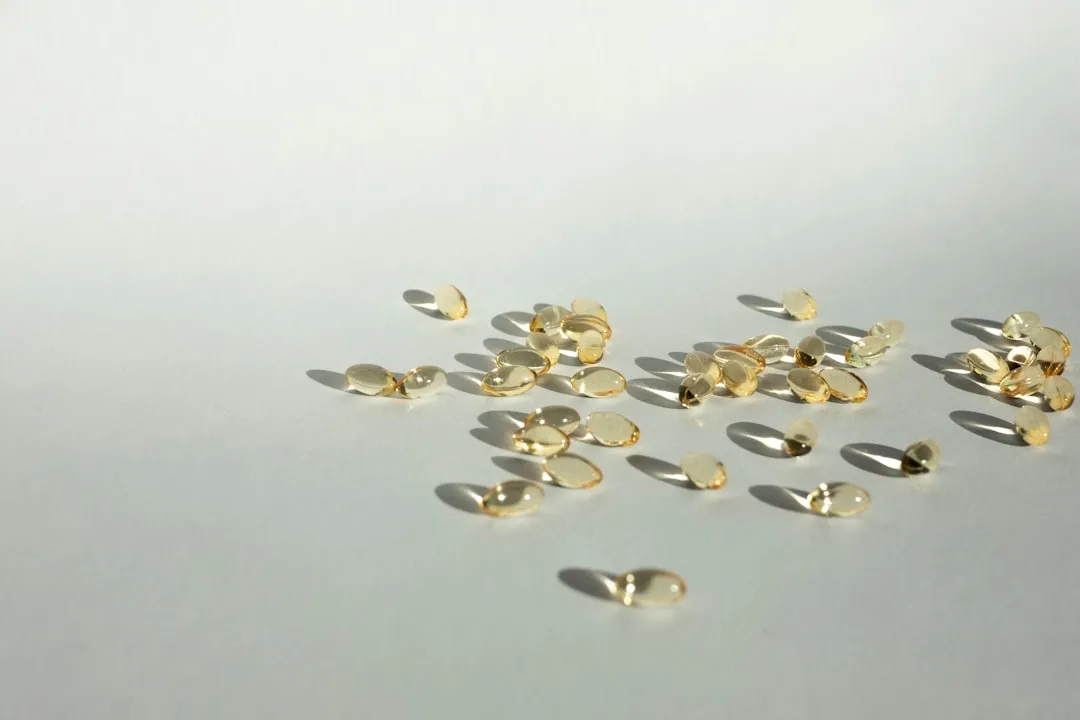
If you suspect a deficiency, talk to your healthcare provider before taking supplements. A simple blood test can check your levels.
Additional Lifestyle Tweaks to Prevent Twitching
Beyond the five main remedies, these simple habits can make a big difference:
- Reduce screen time: Use a blue light filter on your devices and follow the 20-20-20 rule.
- Use artificial tears: If your eyes feel dry or gritty, over-the-counter lubricating drops can add moisture.
- Protect your eyes: Wear sunglasses outdoors to shield your eyes from wind, dust, and bright light.
- Quit smoking: Smoke is an irritant and can cause eye strain and twitching.
- Avoid rubbing your eyes: Rubbing can overstimulate the muscles and make things worse.
When to See a Doctor
Most eye twitches disappear within a few days. However, you should consult a doctor if:
- The twitching persists for more than one week.
- Your eyelid becomes red, swollen, or painful.
- The twitch spreads to other parts of your face.
- Your eyelid drops or won't open fully.
- You experience vision changes or double vision.
- The twitching happens in both eyes at the same time.
These could be signs of a more serious condition that needs medical evaluation.
Disclaimer: This article is for general educational purposes only and is not a substitute for professional medical advice. Always consult a qualified healthcare provider for any medical condition or before starting any treatment.
Key Takeaways
- Eye twitching is usually harmless and often caused by stress, fatigue, caffeine, or eye strain.
- Getting enough sleep, cutting back on caffeine, and managing stress are first-line natural remedies.
- Warm compresses and gentle eyelid massage can relax the spasm.
- Eating a balanced diet rich in magnesium, potassium, calcium, and staying hydrated supports healthy muscle function.
- If twitching persists for a week or is accompanied by pain, swelling, or facial weakness, see a doctor.
Frequently Asked Questions
1. Can eye twitching be a sign of something serious?
In most cases, no. Isolated eye twitching is usually benign and goes away on its own. However, if it's accompanied by pain, swelling, drooping, or if the spasm spreads to other parts of your face, it's important to see a doctor. Rare neurological conditions can cause twitching, so persistent or severe symptoms should be evaluated.
2. What is the best home remedy for eye twitching?
The most effective remedy depends on the cause. For immediate relief, try a warm compress and gently massage the area. For long-term prevention, prioritize sleep, reduce caffeine and alcohol, and manage stress. Magnesium-rich foods and staying hydrated also help.
3. How long does an eye twitch usually last?
Most eye twitches last anywhere from a few minutes to a few hours. Sometimes they can persist for a day or two. If the twitching continues for more than a week, or is accompanied by other symptoms, consult a doctor.
4. Can dry eyes cause eye twitching?
Yes, dry eyes are a common trigger. The surface of the eye can become irritated, which affects the eyelid muscles. Using over-the-counter artificial tears can relieve dryness and may help reduce or stop the twitching.