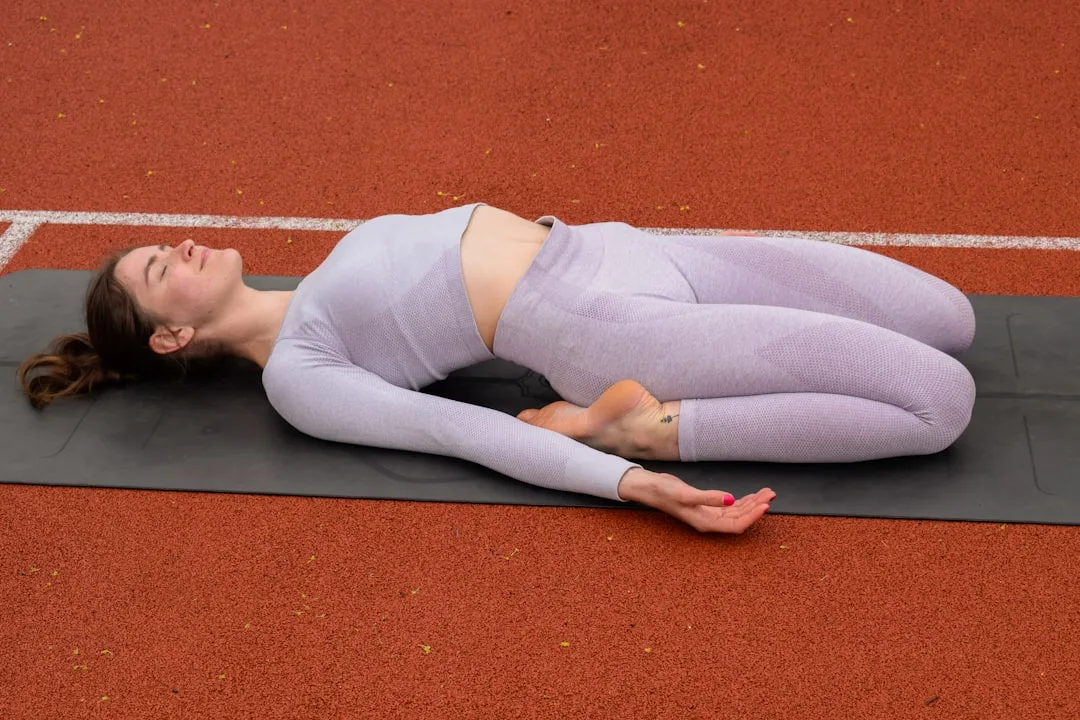
Fitness expert reveals one simple exercise for a stronger core — and it’s not a sit-up. Certified trainer and wellness coach Jamie Lopez recommends the dead bug exercise as the most effective movement for activating the transverse abdominis and stabilizing the lumbar spine without requiring any equipment.
According to a 2023 study published in the Journal of Orthopaedic & Sports Physical Therapy, the dead bug produces 40% greater activation of deep core muscles compared to standard crunches, making it superior for building functional strength and reducing lower back strain.
The dead bug teaches your body to brace the core while moving limbs independently — a skill that translates directly to everyday movement and athletic performance, Lopez explained in a recent interview. Unlike sit-ups, which can compress the spine and overwork the hip flexors, this exercise builds strength without risk.
To perform the dead bug, lie on your back with arms extended toward the ceiling and knees bent at 90 degrees. Slowly lower one arm overhead while straightening the opposite leg, keeping your lower back pressed to the floor. Return to start and repeat on the other side. Lopez suggests three sets of 10–12 repetitions per side, focusing on slow, controlled motion.
Fitness professionals emphasize that consistency matters more than intensity when developing core stability. Incorporating the dead bug into a daily routine — even for just five minutes — can improve posture, enhance balance, and reduce the risk of injury during physical activity over time.
Why This Exercise Works Better Than Sit-Ups
Traditional sit-ups primarily engage the rectus abdominis, the superficial six-pack muscle, while doing little to activate the deeper transversus abdominis and internal obliques that provide true spinal support. Over-reliance on sit-ups can lead to muscular imbalances and increased pressure on the lumbar spine, particularly for individuals with desk jobs or pre-existing back issues.
In contrast, the dead bug promotes anti-extension core strength — training the body to resist arching the lower back under load. This makes it especially valuable for runners, weightlifters, and anyone seeking to improve functional fitness without aggravating existing discomfort.
Experts recommend pairing the dead bug with complementary movements like glute bridges and planks for a well-rounded core routine. However, for those seeking a single, science-backed starting point, the dead bug offers unmatched accessibility and efficacy.
Key questions
- What is the dead bug exercise and how do you do it correctly?
- The dead bug is a core stabilization exercise performed lying on your back with arms pointing up and knees bent at 90 degrees. You slowly lower one arm overhead while straightening the opposite leg, keeping your lower back flat on the floor, then return to start and repeat on the other side. Focus on slow, controlled movements to maximize deep muscle engagement.
- Why is the dead bug better than sit-ups for core strength?
- The dead bug activates the deep transverse abdominis and internal obliques more effectively than sit-ups, which primarily work the superficial rectus abdominis. It also avoids spinal compression and hip flexor strain, making it safer and more functional for building real-world core stability.