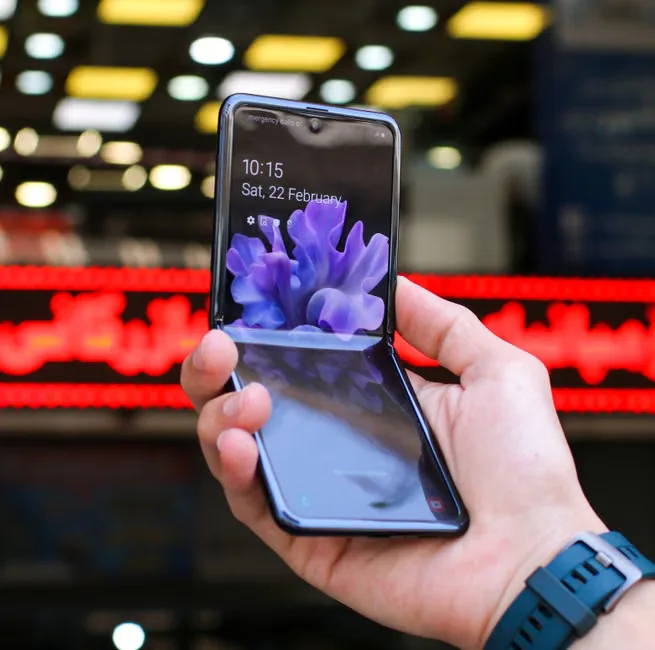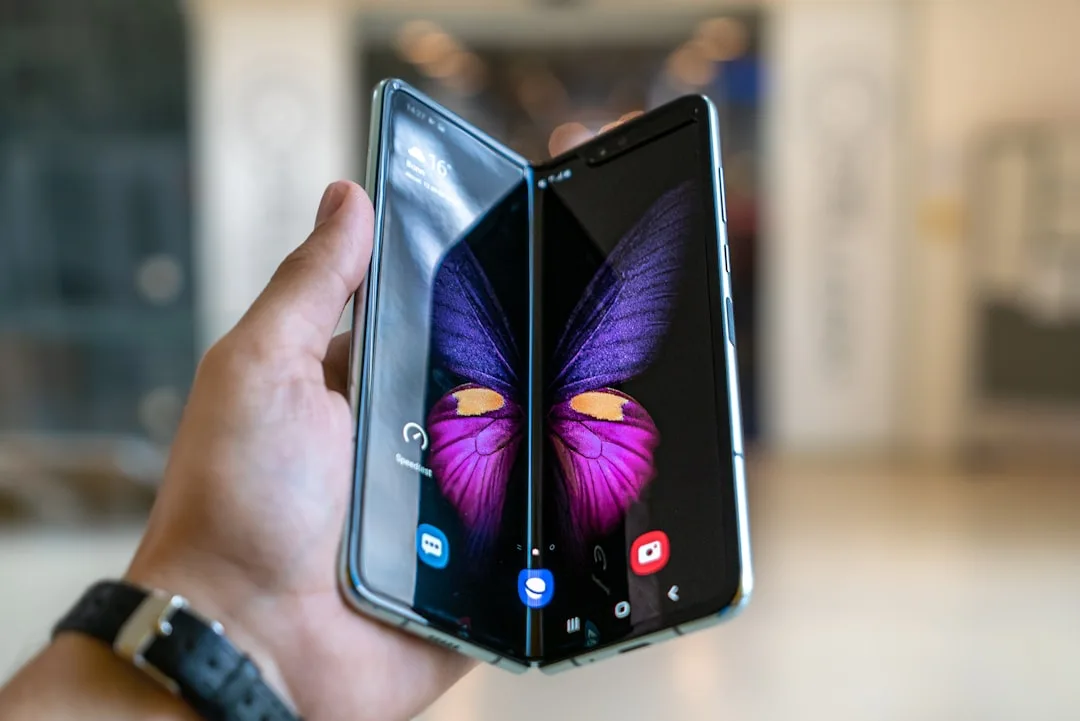
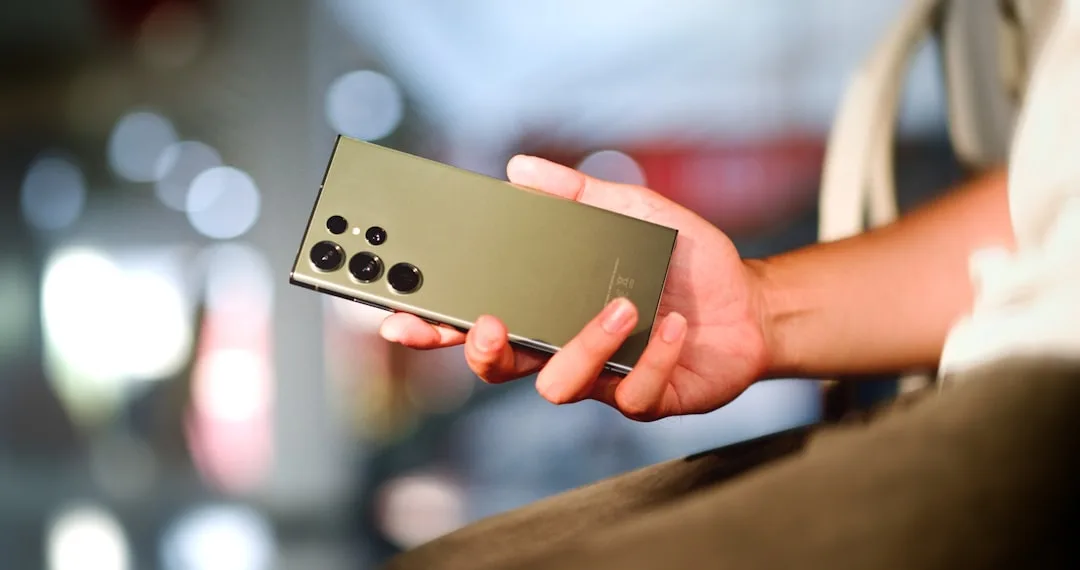
Samsung Electronics officially launched its latest foldable smartphone lineup on Wednesday, introducing the Galaxy Z Fold 8, Galaxy Z Fold 8 Ultra, Galaxy Z Flip 8, Galaxy Watch Ultra 2, and Galaxy Watch 9. The announcement came amid heightened consumer interest, with T-Mobile announcing a promotion offering the Galaxy Z Fold 8 at no cost with eligible trade-ins and service plans. The device has also gained visibility through product placement in the upcoming film 'Spider-Man: Brand New Day'.
Industry reports indicate that pre-orders for the Galaxy Z Fold 8 series have surpassed previous records in both the United States and South Korea, according to data cited by Mashable. This surge in early demand suggests strong market reception for Samsung's latest iteration of foldable technology, which features refinements in display durability, hinge mechanics, and integrated AI capabilities.
Industry analyst Karen Woo of TechInsights stated, 'The timing and feature enhancements in the Galaxy Z Fold 8 Ultra suggest Samsung is responding to competitive pressures in the premium foldable segment.' Her comments reflect broader speculation about how Apple's anticipated entry into the high-end foldable market may be influencing Samsung's product roadmap.
Samsung's strategy appears to emphasize both technological leadership and aggressive market penetration through carrier partnerships. The free device offering from T-Mobile represents one of the most substantial promotional efforts in recent smartphone history, aiming to accelerate adoption and gather real-world usage data. Meanwhile, early reviews from outlets like Gizmodo have highlighted the device's improved multitasking experience and refined user interface as key strengths.
Galaxy Z Fold 8 Market Impact and Competitive Context
Analysts note that while Samsung maintains a clear first-mover advantage in foldable smartphones, the rumored iPhone Ultra could reshape consumer expectations in the premium segment. Samsung's decision to launch an 'Ultra' variant alongside the standard model may signal preparation for a more direct feature-based comparison with Apple's upcoming offering, particularly in areas like camera systems, processing power, and premium materials.
The broader Galaxy Z series continues to benefit from Samsung's sustained investment in foldable form factors, with cumulative shipments now exceeding tens of millions of units since the original Galaxy Fold. This installed base provides Samsung with valuable feedback loops and developer engagement, potentially creating a network effect that could be difficult for new entrants to replicate quickly, regardless of Apple's brand strength.
Looking ahead, Samsung is expected to focus on expanding the ecosystem around its foldable devices, including optimized apps, accessories, and cross-device functionality with its tablets and wearables. The success of the Galaxy Watch Ultra 2 and Watch 9 launches suggests a coordinated strategy to position the Galaxy Z Fold 8 as the centerpiece of a premium connected experience.
In the longer term, the foldable smartphone market remains in an early growth phase, with ongoing challenges related to pricing, durability perceptions, and app optimization. Samsung's current lead stems from years of iterative development, and maintaining that advantage will depend on balancing innovation with affordability as more competitors enter the space. The company's ability to leverage its vertical integration in display and chip manufacturing may prove critical in sustaining its edge.
Key questions