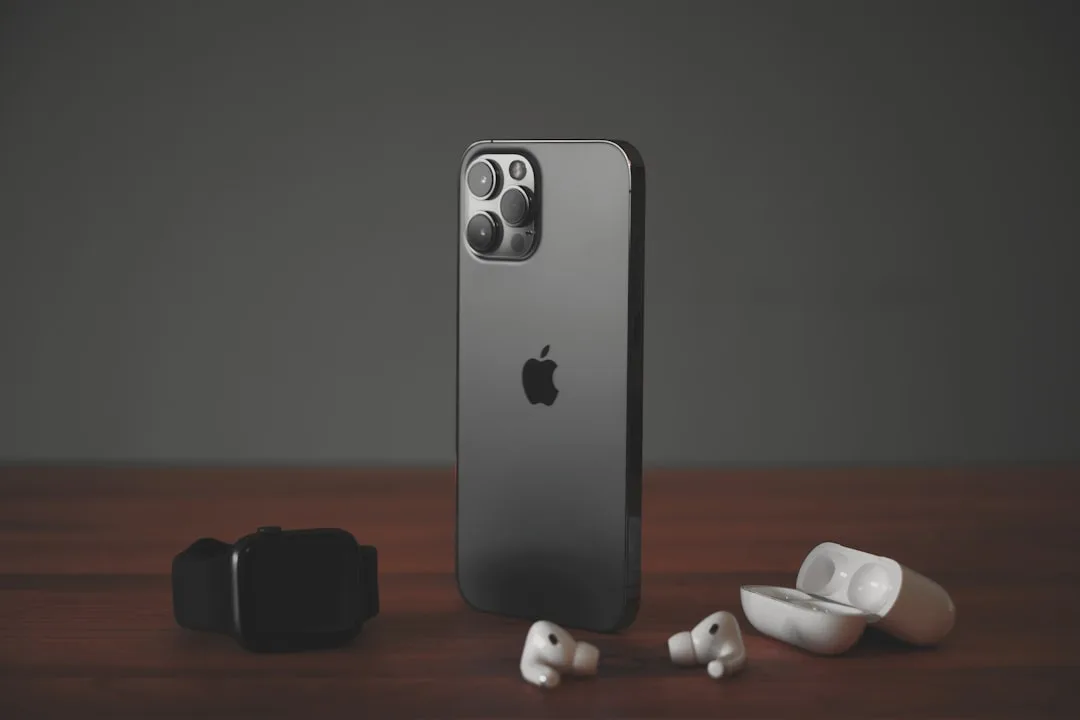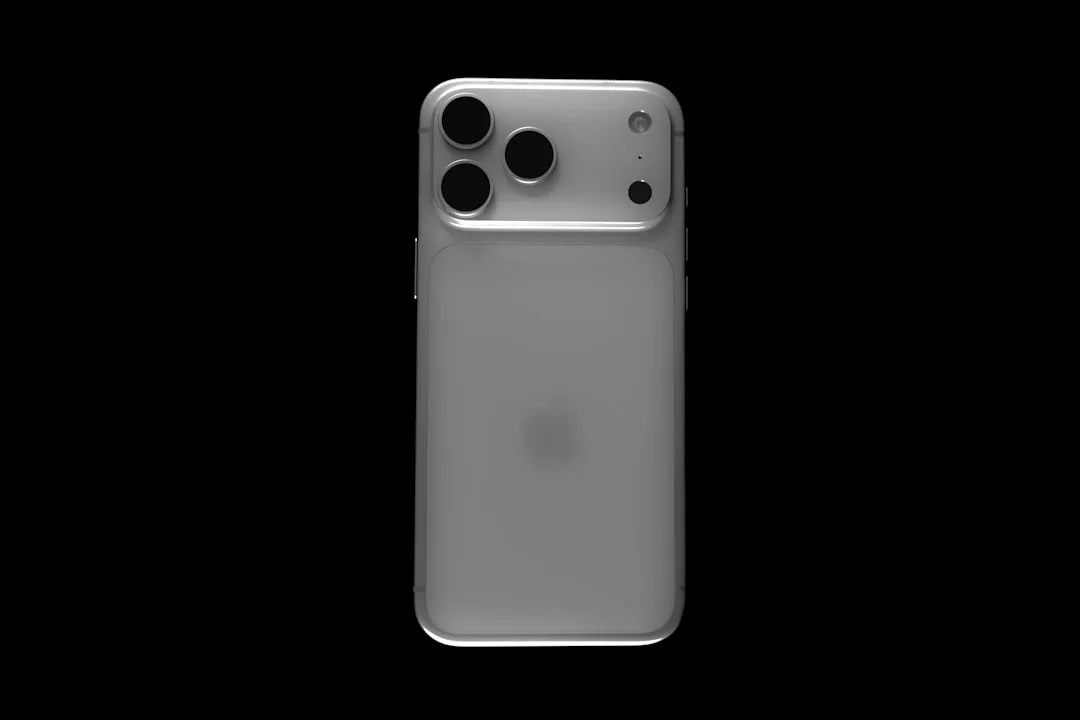
Apple is testing a new photo authentication feature in iOS 27 beta 5 that aims to verify whether images originate from genuine iPhone cameras. The system, referred to internally as Apple Reference Image, uses hardware-backed encryption to embed verifiable metadata into photos at the point of capture. This development was first spotted in beta code by MacRumors and later confirmed by multiple tech outlets analyzing the iOS 27 beta 5 release.
The feature works by generating a unique cryptographic signature tied to the device’s image signal processor and secure enclave when a photo is taken. This signature is stored separately from the image file and can be used later to confirm the photo’s authenticity without relying on visible watermarks or editable EXIF data. According to Apple’s internal documentation referenced in the beta, the system is designed to resist tampering and deepfake manipulation.
Apple Reference Image could become a key tool in combating misinformation.
Analysts note that the introduction of such a system aligns with growing industry efforts to establish provenance for digital media. As AI-generated images become increasingly realistic, platforms and news organizations face mounting pressure to verify visual content. Apple’s approach differs from social media-based solutions by embedding trust at the hardware level, making it harder to spoof or remove.
The authentication system is expected to work alongside existing privacy protections, with Apple stating that the reference data will not leave the device unless explicitly shared by the user. When a photo is shared, the verification token can be attached optionally, allowing recipients to confirm origin through Apple’s servers or offline validation tools.
While still in testing, the feature reflects Apple’s broader strategy to strengthen trust in its ecosystem. The company has previously invested in technologies like App Tracking Transparency and on-device Siri processing to reinforce user privacy and data integrity. Extending this philosophy to media authenticity could position iOS as a leader in trustworthy digital imaging.
Apple Reference Image and the Future of Photo Trust
If released publicly, Apple Reference Image could influence how news outlets, social platforms, and legal systems handle digital evidence. By providing a verifiable chain of custody from sensor to share, the tool may help reduce the spread of manipulated images during elections, crises, or public events. However, experts caution that widespread adoption will depend on cross-platform compatibility and user awareness.
Apple has not officially announced the feature for iOS 27’s public release, but its presence in beta 5 suggests active development. The company typically refines such systems over multiple beta cycles before final inclusion. Users and developers interested in testing the feature can install iOS 27 beta 5 through the Apple Developer Program or public beta channel.
As concerns over synthetic media grow, hardware-based authentication may become a standard expectation for premium smartphones. Apple’s early move into this space could set a benchmark for competitors, particularly as regulatory bodies in the EU and U.S. begin exploring rules around AI-generated content disclosure.
Key questions
- What is Apple Reference Image in iOS 27?
- Apple Reference Image is a developing feature in iOS 27 beta 5 that uses hardware-based encryption to verify whether a photo was taken by a genuine iPhone camera. It creates a cryptographic token tied to the device’s image processor and secure enclave at the time of capture, which can later be used to authenticate the image’s origin without altering the visible photo.
- How does Apple’s photo authentication help fight misinformation?
- By providing a tamper-resistant way to confirm that an image originated from a specific iPhone, Apple Reference Image helps distinguish real photos from AI-generated or edited fakes. This can support journalists, platforms, and users in verifying visual content, especially during events where deepfakes could cause harm, though its effectiveness depends on adoption and verification tool availability.