
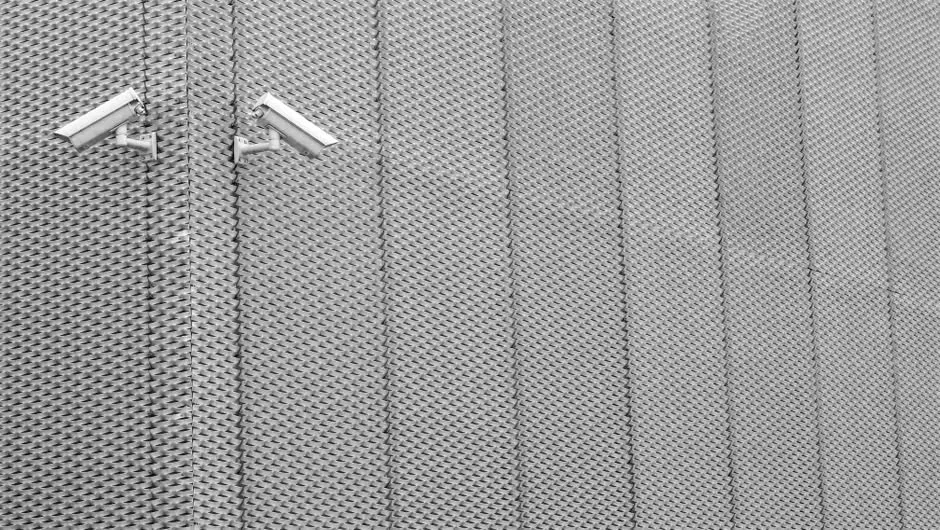
A security researcher has developed an algorithm that generates computer-generated patterns designed to evade detection by surveillance cameras. These adversarial patterns can obscure people, faces, and vehicles from AI-powered monitoring systems, raising significant implications for privacy and security. The technique exploits vulnerabilities in computer vision models used in modern security infrastructure.
The research demonstrates how subtle, specially crafted visual patterns can interfere with object detection algorithms, causing them to fail in identifying targets even when clearly visible to the human eye. This builds on prior work in adversarial machine learning but applies it specifically to real-world surveillance scenarios. According to the researcher, the patterns are effective across multiple camera angles and lighting conditions.
Dr. Lena Voss, lead researcher on the project, stated: Our goal was to understand the limits of current surveillance AI, not to enable misuse, but to highlight where safeguards are needed.
The patterns work by introducing noise that is imperceptible or benign to humans but disruptive to neural networks trained to recognize shapes and movements. This approach does not rely on physical obstruction but rather on manipulating how algorithms interpret visual data. Such methods could potentially be applied to clothing, vehicle wraps, or digital displays in public spaces.
Experts warn that while the research highlights important weaknesses in surveillance AI, it also poses risks if deployed maliciously to bypass security in sensitive areas like airports or government buildings. The dual-use nature of the technology necessitates careful ethical consideration and potential regulatory oversight.
Adversarial Pattern Technology and Surveillance Evasion
As surveillance systems become more widespread, understanding their limitations is critical for both developers and policymakers. This research contributes to a growing body of work focused on AI robustness and security. Future efforts may focus on developing detection methods that are resilient to such adversarial techniques.
The findings underscore the ongoing arms race between surveillance capabilities and countermeasures designed to evade them. Balancing innovation with accountability will be key as these technologies evolve.
Key questions
- How do adversarial patterns prevent surveillance cameras from detecting people?
- Adversarial patterns are specially designed visual textures that exploit weaknesses in AI object detection models. When worn or displayed, they cause the AI to misinterpret or fail to recognize human shapes, even though the patterns appear normal to human observers.
- Is the use of adversarial patterns to evade surveillance legal?
- The legality varies by jurisdiction and context. While researching AI vulnerabilities is generally legal, using such patterns to bypass security in restricted areas may violate laws related to trespassing, security evasion, or public safety. Ethical use is encouraged to improve system robustness.