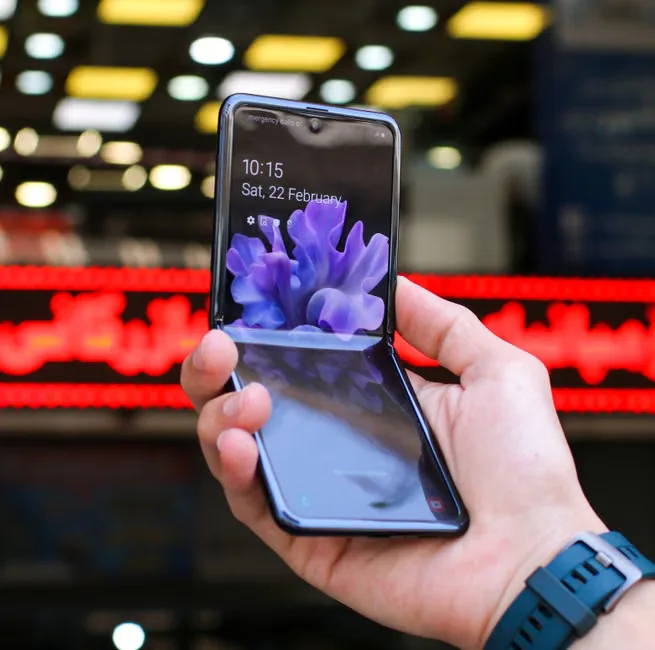
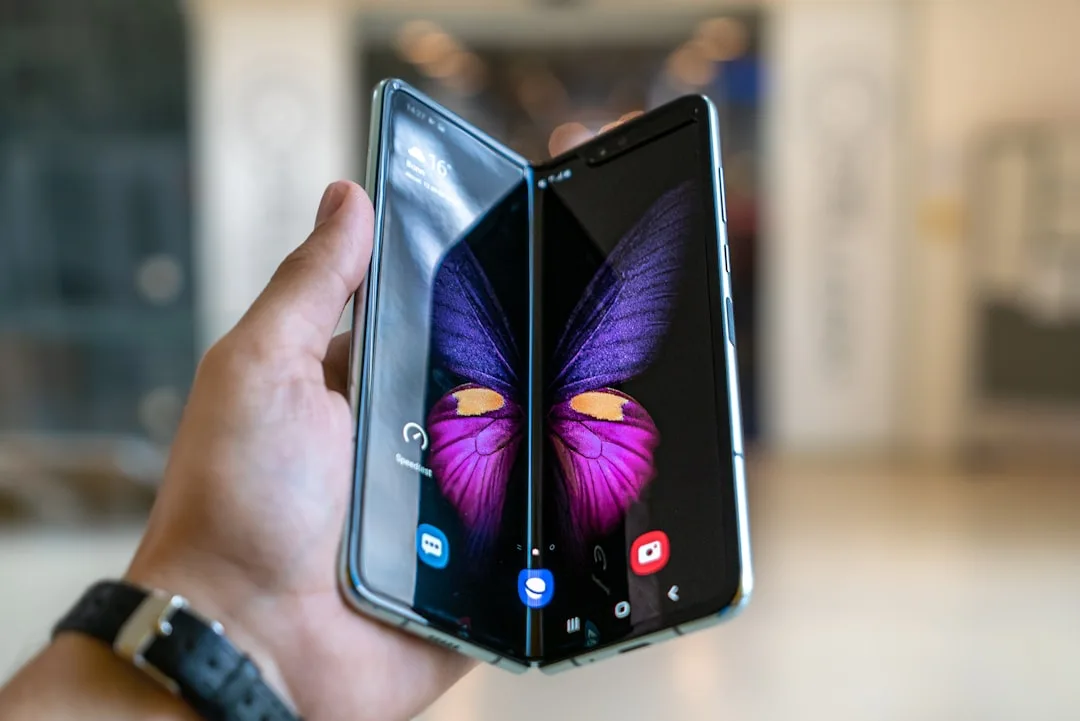
Samsung released the Samsung Galaxy Z Fold 8 Ultra this month, introducing a refined foldable design aimed at power users. The device arrives following the July 2026 Galaxy Unpacked event, positioning itself as the premium tier of the Z Series.
The foldable sector has transitioned from experimental novelty to a mature product category. Recent industry data suggests that foldable shipments have grown steadily, with some analysts noting a compound annual growth rate exceeding 20% for the premium segment (Counterpoint Research).
In a recent review, Engadget observed that while the device features nice upgrades, it is not quite "Ultra" in its execution.
The adoption of a more compact, passport-style shape indicates a strategic pivot toward ergonomics. By reducing the footprint of the device when folded, Samsung is attempting to bridge the gap between traditional slab phones and expansive tablets, making the device more viable for daily commuting and one-handed use.
However, the lack of a leapfrog feature suggests that Samsung may be hitting a plateau in foldable engineering. This trend toward incrementalism could be a double-edged sword; while it ensures reliability, it leaves the door open for competitors like Apple to capture the market with a singular, highly publicized innovation.
Market observers will now watch pre-order numbers and early consumer adoption rates to see if the Ultra branding justifies the price premium. Future software updates will likely focus on enhancing the multitasking capabilities of the larger inner display to maintain the device's productivity edge.
Since the introduction of the first Galaxy Fold in 2019, Samsung has dominated the foldable space through aggressive iteration and ecosystem integration. The Z Series remains the benchmark for foldable durability and software optimization in the Android ecosystem.
Samsung Galaxy Z Fold 8 Ultra Performance and Design
The current state of the foldable smartphone market is described by some critics as becoming predictable. This stability in design suggests that the hardware has reached a point of diminishing returns, where minor tweaks to the hinge or screen brightness no longer excite the general consumer base.
To combat this stagnation, Samsung is bundling the launch of the Z Fold 8 series with strategic discounts on other flagship models, such as the Galaxy S26 Ultra. This cross-promotion aims to keep users within the Samsung ecosystem regardless of whether they prefer a traditional form factor or a foldable one.
The device's ability to act as a shape-shifter for various moments of the day remains its strongest selling point. By blending the utility of a tablet with the portability of a phone, the device continues to serve a specific niche of professional users who require mobile productivity without carrying multiple devices.
Key questions
- What is the main critique of the Samsung Galaxy Z Fold 8 Ultra?
- Critics, including Engadget, suggest that while the device offers polished upgrades, it lacks the transformative innovation required to truly earn the Ultra branding.
- When was the Samsung Galaxy Z Fold 8 Ultra announced?
- The device was officially unveiled during the Samsung Galaxy Unpacked event held in July 2026.