Medicare has lowered its payment for standard cataract surgery, reducing the amount ophthalmologists receive for the procedure. This change, effective in recent years, has made traditional surgery less financially viable for many practices, especially those with high overhead costs.
According to data from the Centers for Medicare & Medicaid Services, the average reimbursement for cataract surgery dropped by approximately 15% between 2020 and 2023, prompting providers to seek alternative revenue streams.
Dr. Steven Dell, an ophthalmologist in Austin, Texas, noted that laser-assisted cataract surgery allows us to offer a premium service that better reflects the technology and skill involved.
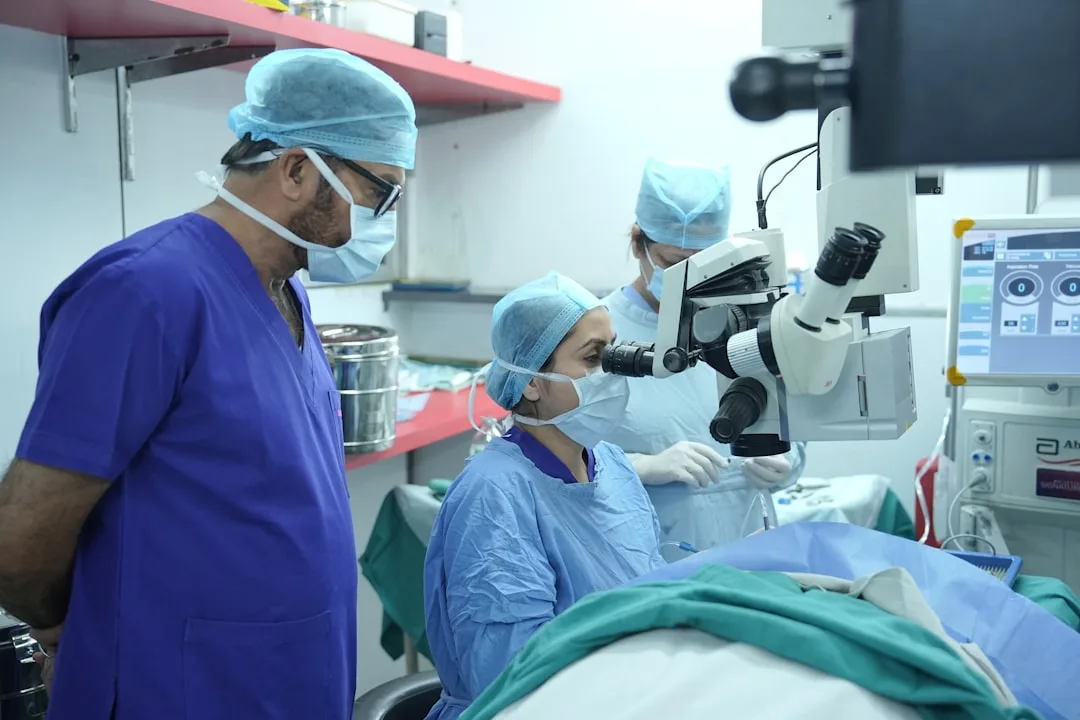
In response, many eye doctors are turning to femtosecond laser-assisted cataract surgery, which uses a precision laser to perform steps traditionally done with handheld tools. This method allows providers to bill patients or insurers for additional fees, often ranging from $500 to $1,500 per eye, not covered by Medicare.
The laser adds precision in corneal incisions and lens fragmentation, potentially improving outcomes for certain patients, such as those with astigmatism or premium lens implants. However, studies show the clinical benefits over traditional surgery are modest for most patients.
Critics argue that the financial incentive may lead to overuse of laser technology in cases where it offers little medical advantage. They warn that rising out-of-pocket costs could limit access for seniors on fixed incomes.
Despite the debate, adoption of laser-assisted cataract surgery continues to grow, particularly in private practices and ambulatory surgery centers. Industry reports indicate that over 30% of cataract surgeries in the U.S. now involve some form of laser assistance, up from under 10% a decade ago.
For patients, the key consideration remains whether the added cost translates to meaningful visual improvement. Ophthalmologists recommend discussing individual needs, lens options, and potential out-of-pocket expenses before deciding on a procedure.
Medicare Cataract Surgery Payment Trends
Medicare’s payment model for cataract surgery is part of a broader shift toward value-based care, though critics say current reimbursements fail to keep pace with practice expenses. The program updates its physician fee schedule annually, but adjustments often lag behind inflation and technological costs.
As the aging population increases demand for cataract procedures, the tension between cost control and innovation in eye care is likely to persist. Policymakers may need to reevaluate how new technologies are integrated into Medicare coverage to balance access, quality, and affordability.
Key questions
- Why are doctors using lasers for cataract surgery if Medicare pays less for the procedure?
- Medicare's reimbursement for traditional cataract surgery has decreased, making it less profitable for doctors. Laser-assisted surgery allows physicians to charge additional fees not covered by Medicare, helping offset lost income while offering a premium service option.
- Is laser-assisted cataract surgery better than traditional surgery for most patients?
- For most patients, laser-assisted cataract surgery does not provide significantly better visual outcomes than traditional surgery. It may offer advantages in specific cases, such as correcting astigmatism or ensuring precise lens placement, but the added cost is not always medically necessary.