Cyclospora, a microscopic parasite known for causing a severe and sometimes lingering gastrointestinal illness, has been reported in Massachusetts as cases draw attention in several states. The illness, called cyclosporiasis, is most often linked to food or water contaminated with feces and has previously been associated with fresh produce.
The parasite is not new, but it can be difficult to spot quickly because symptoms may appear days or even more than a week after exposure. Many people recover with treatment, but the illness can last for weeks if it is not recognized. Health officials generally investigate clusters by reviewing what patients ate, where they shopped or dined, and whether a common food source may be involved.
How cyclospora spreads
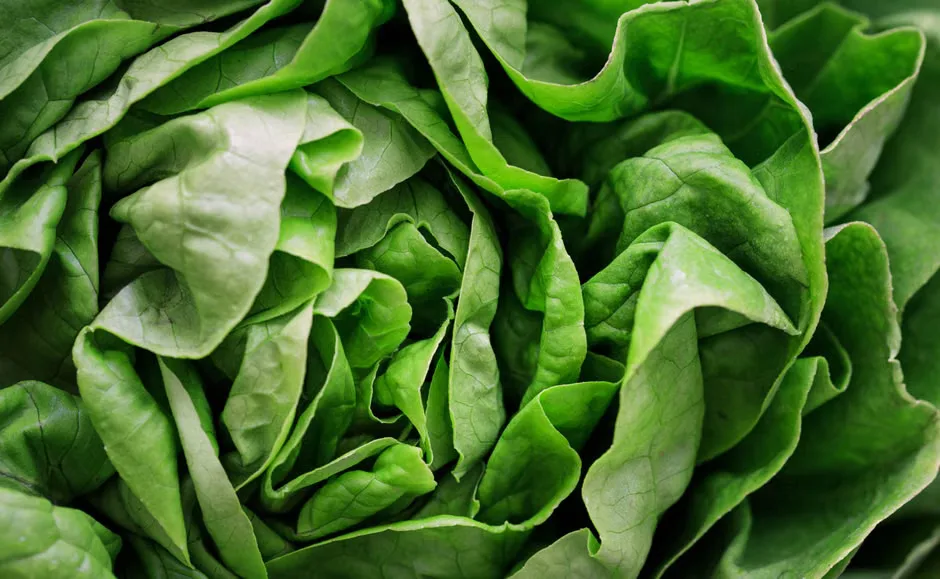
People become sick after swallowing Cyclospora cayetanensis, the parasite that causes the infection. It is most often tied to contaminated produce, including leafy greens, herbs, berries or other fresh items that are eaten raw. Cooking can kill many germs, but produce that is served uncooked depends heavily on clean water, safe handling and proper sanitation at every step from farm to table.
Cyclospora usually does not spread directly from one person to another. The parasite needs time outside the body to become infectious, which is one reason investigators often focus on shared food sources rather than household transmission. Still, anyone with diarrhea should practice careful hand-washing and avoid preparing food for others while ill.
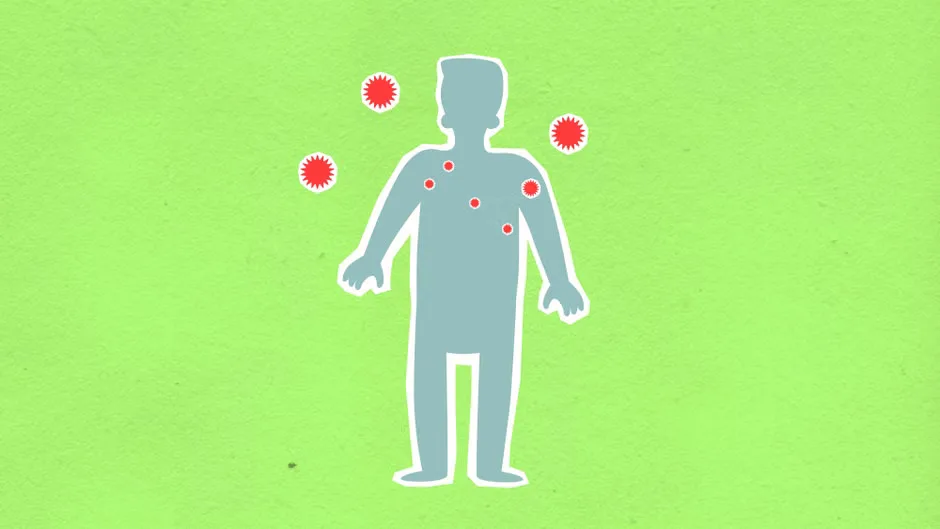
The most common symptom is watery diarrhea that can be frequent and sometimes explosive. Other symptoms may include stomach cramps, bloating, gas, nausea, fatigue, loss of appetite, weight loss, low-grade fever and body aches. Symptoms can come and go, leading some people to think they are improving before the illness returns.
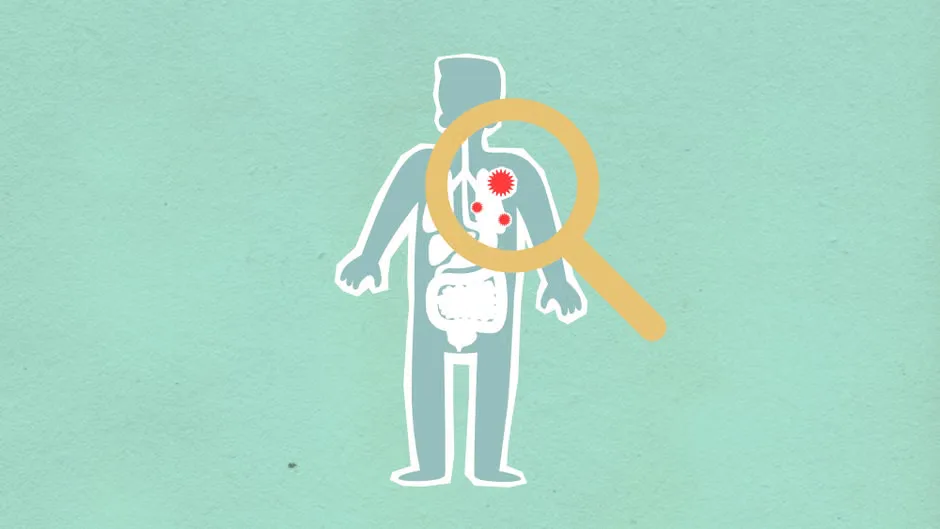
Doctors can diagnose cyclosporiasis with a stool test, though patients may need to specifically ask about testing because the parasite is not always included in standard screening. The infection is commonly treated with a prescription antibiotic combination. People who have persistent diarrhea, signs of dehydration, bloody stool, high fever or symptoms lasting more than a few days should contact a health care provider.
Food safety steps can lower risk, though they cannot eliminate it entirely. Consumers should rinse fresh fruits and vegetables under running water, scrub firm produce, dry items with a clean towel, keep raw foods separate from ready-to-eat foods, and refrigerate cut produce promptly. Soap, bleach or household disinfectants should not be used on food.
Restaurants, grocers and food suppliers can help by following sanitation rules, maintaining clean water sources and removing products from sale if officials identify a suspected source. When outbreaks occur, public health agencies may issue advisories with specific foods, brands, locations or purchase dates to avoid.
For now, the main advice is practical: pay attention to symptoms, seek care if illness persists and follow any state or federal updates about confirmed links. Cyclospora can be unpleasant and disruptive, but timely diagnosis and treatment usually lead to recovery.
Key questions
- What are the main symptoms of Cyclospora infection?
- The most common symptom is watery diarrhea. People may also have stomach cramps, bloating, nausea, fatigue, appetite loss, weight loss, low-grade fever and symptoms that improve and then return.
- How can people reduce the risk of Cyclospora from food?
- Rinse fruits and vegetables under running water, scrub firm produce, keep raw and ready-to-eat foods separate, refrigerate cut produce promptly and follow any public health advisories about recalled or suspected foods.