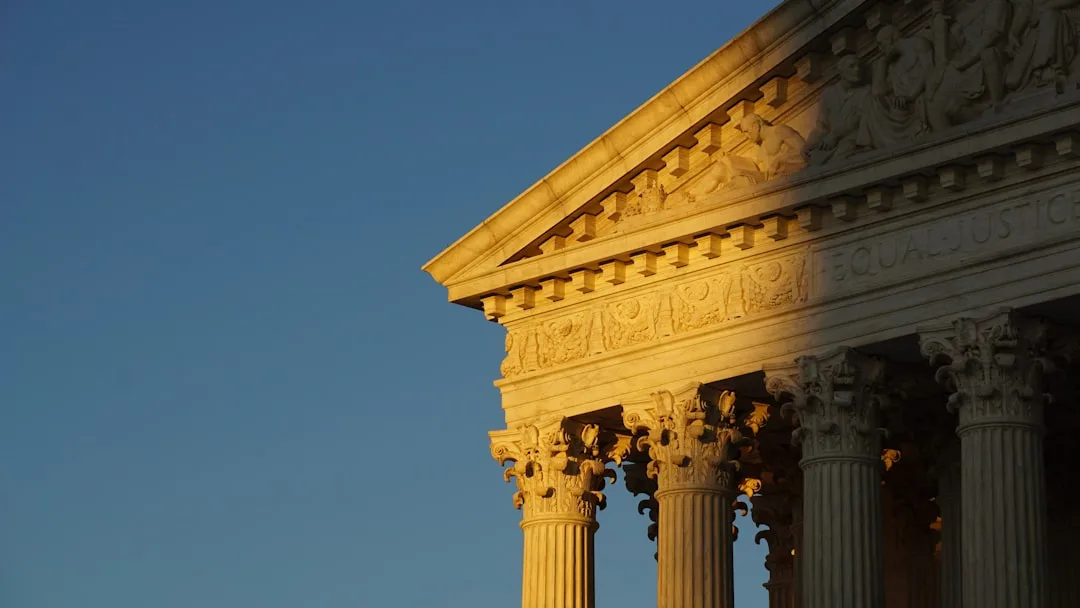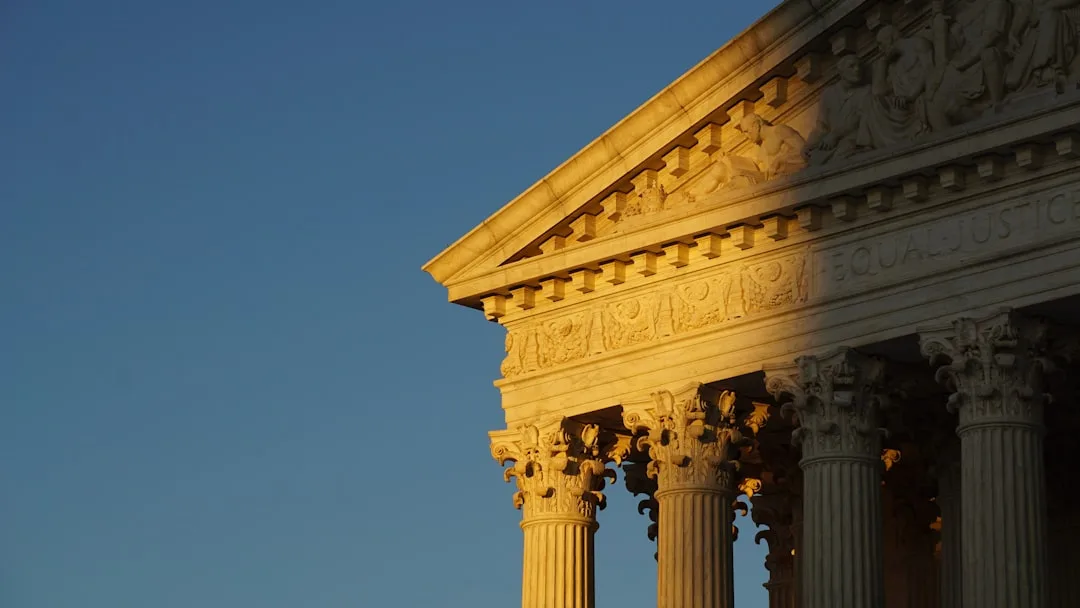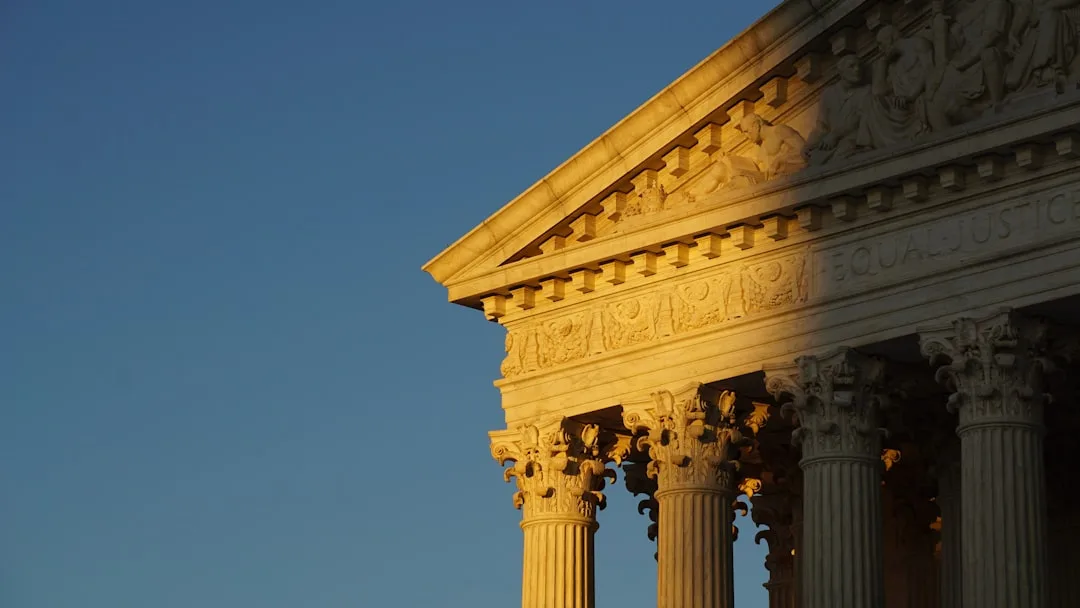
Justice Elena Kagan, a member of the US Supreme Court, is facing criticism from conservative groups who argue she cannot remain impartial in upcoming climate litigation. The criticism stems from Kagan's past statements and affiliations, which some believe compromise her ability to make unbiased decisions.
According to critics, Kagan's past comments on climate change and her involvement with organizations that support climate action raise concerns about her impartiality. This has led some to question whether she can remain neutral in cases related to climate change.
Justice Kagan's past statements and affiliations demonstrate a clear bias towards climate action, said a spokesperson for one of the conservative groups. This raises serious concerns about her ability to remain impartial in upcoming climate cases.
Analysis of Kagan's past statements and affiliations suggests that she may have a vested interest in climate action. This could potentially influence her decisions in climate-related cases, leading to biased outcomes.
As the Supreme Court prepares to hear climate-related cases, the criticism of Kagans impartiality is likely to continue. This could have significant implications for the courts decisions and the future of climate policy in the US.
Impartiality in the Supreme Court
The Supreme Court is expected to hear several climate-related cases in the coming months. With Kagans impartiality in question, the courts decisions may be influenced by her past statements and affiliations.
Evergreen background: The Supreme Courts impartiality is crucial in ensuring that justice is served. Any perceived bias can undermine the courts credibility and lead to biased outcomes.
Key questions
- What is the concern about Justice Elena Kagan's impartiality?
- Critics argue that Kagan's past statements and affiliations compromise her ability to remain impartial in upcoming climate cases.
- What are the implications of Kagan's impartiality being in question?
- The criticism of Kagan's impartiality could have significant implications for the Supreme Court's decisions and the future of climate policy in the US.