Salt Lake City record temperature levels reached a new historic peak this week, marking the hottest day ever documented for the Utah capital. Local meteorological data confirms the spike occurred during a period of intense regional heating.
This event follows a broader trend of rising average temperatures across the Western United States. According to the National Oceanic and Atmospheric Administration (NOAA), average global temperatures have risen significantly over the last century, contributing to more frequent extreme weather events.
Local meteorologists from FOX 13 News Utah reported that the city has officially surpassed its previous high-temperature benchmark, establishing a new ceiling for local climate data.
The phenomenon is likely driven by a combination of stagnant high-pressure systems and the urban heat island effect. As concrete and asphalt absorb solar radiation, city centers remain significantly warmer than surrounding rural areas, amplifying the peak heat.
Such temperature spikes put immense pressure on local infrastructure and public health. Increased demand for electricity to power cooling systems often leads to grid instability during peak heat hours, while high temperatures exacerbate respiratory issues.
Forecasters expect these volatile patterns to persist as the region enters the peak of the summer season. Residents are advised to monitor official alerts for heat advisories and potential air quality warnings as the heat persists.
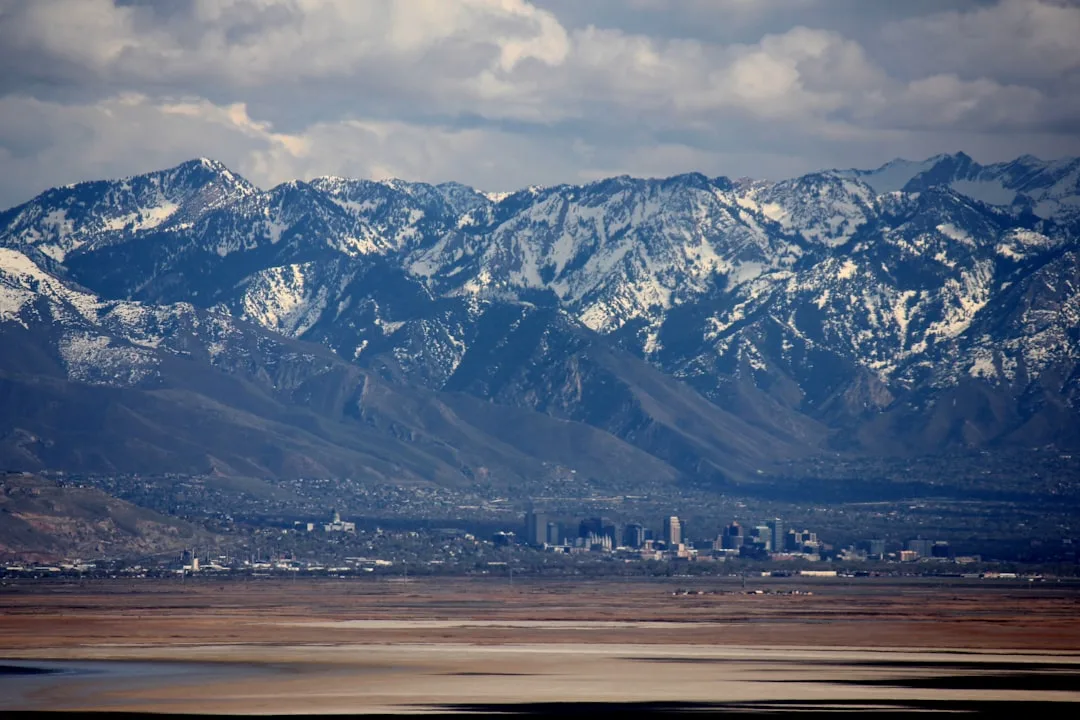
Salt Lake City's geography, nestled between the Great Salt Lake and the Wasatch Mountains, typically creates a unique microclimate that moderates temperature, though these buffers are becoming less effective against extreme spikes.
Understanding the Salt Lake City record temperature
The recording of this new peak provides critical data for climatologists studying the acceleration of warming in high-altitude basins. By analyzing the duration and intensity of these records, experts can better predict future urban planning needs for the state of Utah.
Key questions
- What is the significance of the new record temperature in Salt Lake City?
- It marks the highest temperature ever recorded in the city's history, indicating a shift in local climate extremes and increasing thermal volatility.
- How does the urban heat island effect impact Salt Lake City?
- Urban surfaces like roads and buildings trap heat, making the city center significantly warmer than the surrounding countryside during heatwaves.