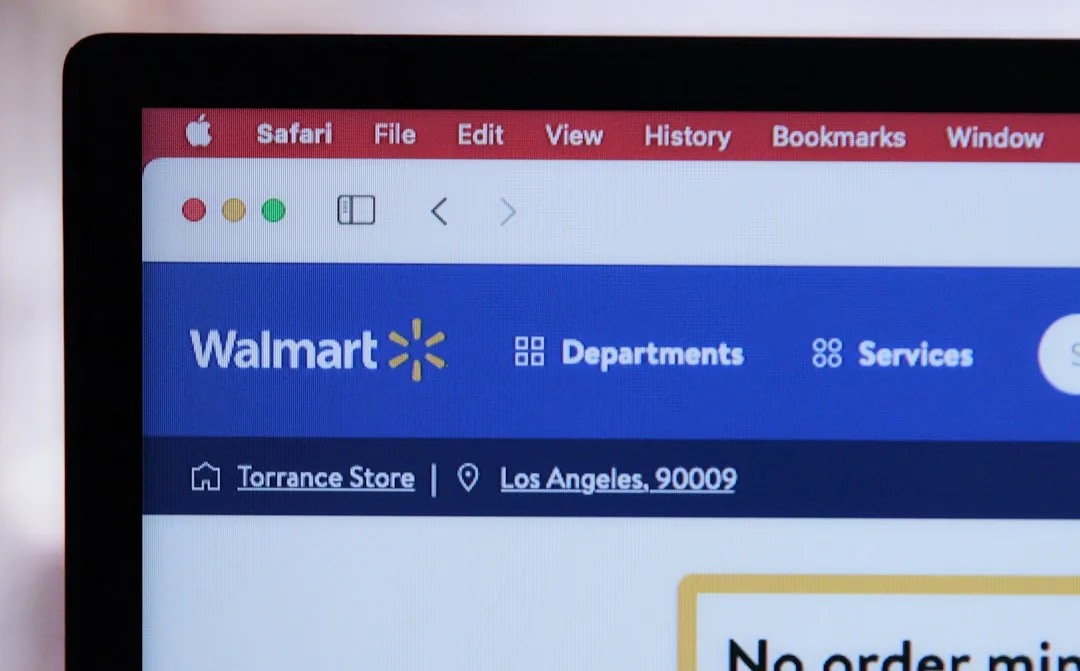
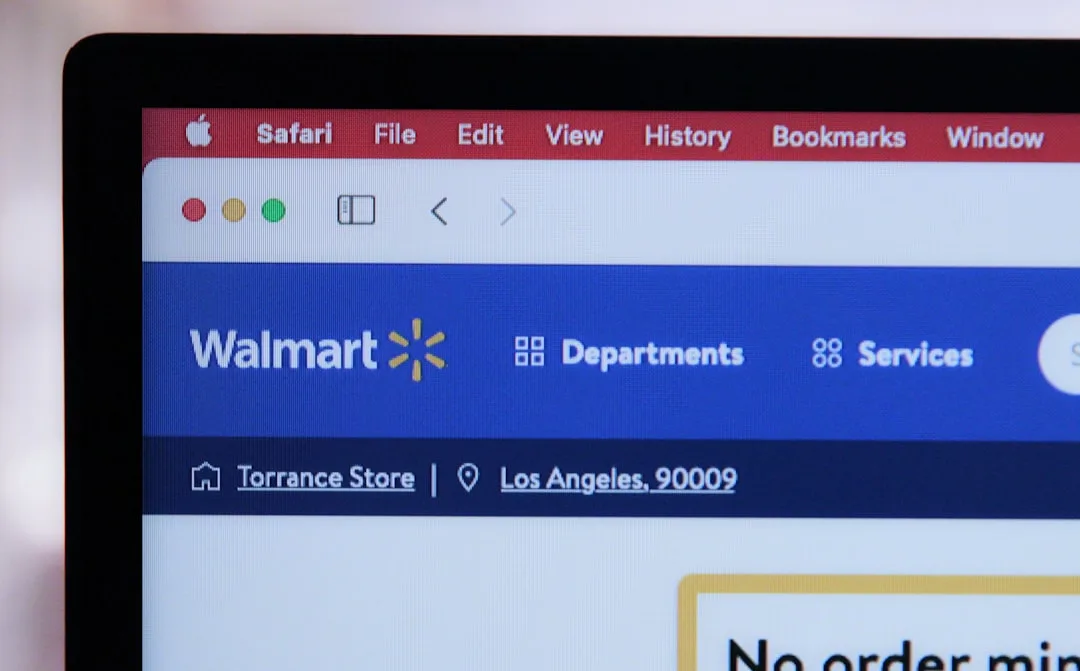
Walmart has lowered the price of its AI-enabled 2-in-1 laptop and tablet device to $90, according to recent retail listings. The device, marketed as an affordable computing solution, now targets budget-conscious consumers seeking basic AI-integrated functionality for everyday tasks.
The 2-in-1 design allows users to switch between laptop and tablet modes, featuring a touchscreen display and detachable keyboard. While specific AI capabilities were not detailed in the source material, Walmart positions the device as offering enhanced user experience through intelligent features aimed at improving productivity and accessibility.
Industry analysts note that sub-$100 computing devices with AI integration remain rare in the current market, where most AI-enabled laptops start at significantly higher price points. This pricing strategy reflects Walmart's ongoing effort to expand access to technology for price-sensitive demographics.
Market Impact and Consumer Access
The $90 price point places this device in direct competition with Chromebooks and entry-level Windows tablets, though its AI branding differentiates it from standard budget offerings. For students and remote workers with limited budgets, the device may provide an accessible entry point to computing tools that incorporate basic AI assistance for tasks like document editing, web browsing, and multimedia consumption.
Retail experts suggest that while the AI features may be modest compared to premium devices, the combination of versatility and low cost could appeal to users prioritizing affordability over advanced performance. The move also highlights how major retailers are experimenting with AI integration across product tiers to gauge consumer response.
As AI continues to permeate consumer electronics, Walmart's pricing decision may influence how competitors approach budget device development. The long-term success of such offerings will depend on balancing cost constraints with meaningful AI functionality that delivers tangible user benefits beyond marketing labels.
Key questions