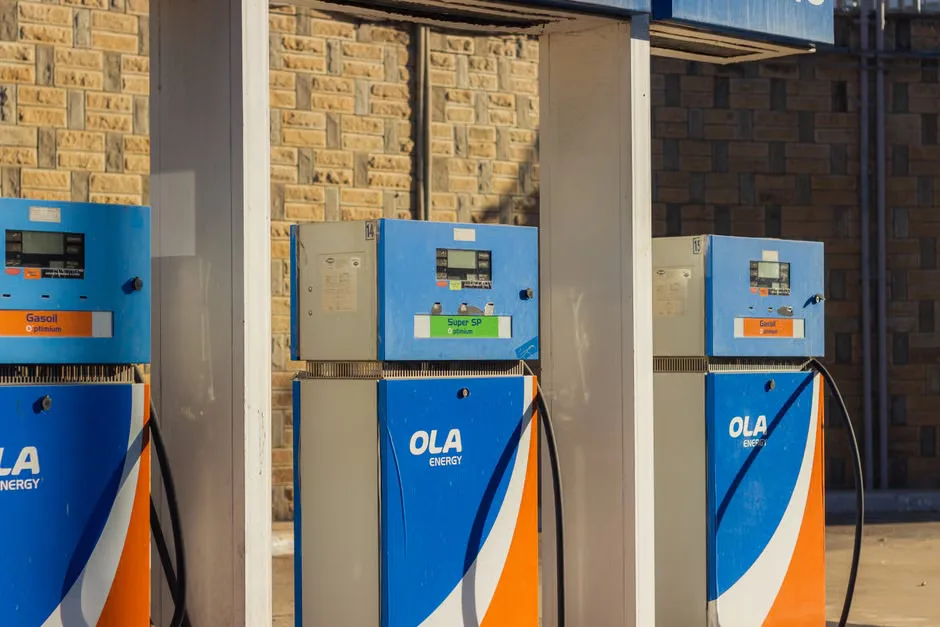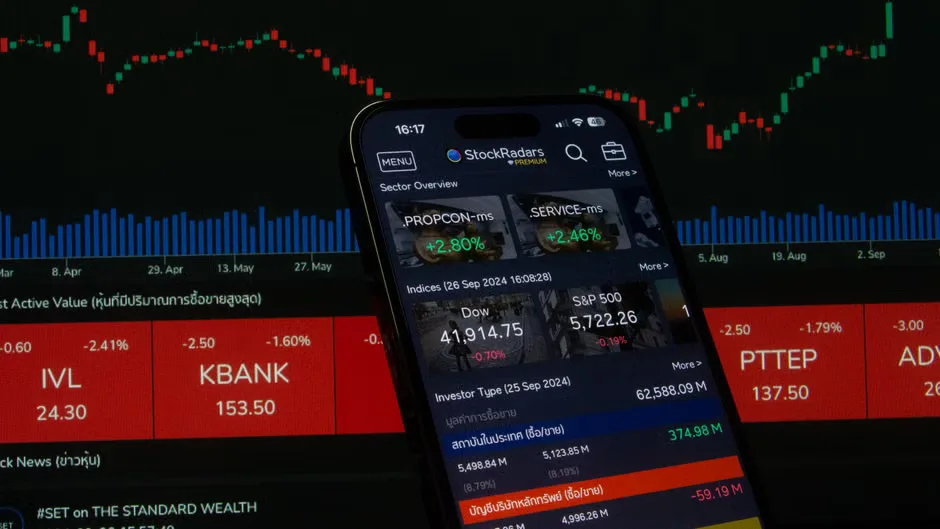

US inflation slowed to 3.5% in June from a year earlier, offering a modest sign of relief after months of stubborn price pressure. The cooling was helped in part by lower gasoline prices, which eased one of the more visible costs facing American households.
The latest reading is likely to be welcomed by consumers, businesses and policymakers who have been watching closely for signs that price growth is moving back toward more normal levels. Falling fuel prices can have an immediate effect on household budgets and may also reduce some cost pressures across the wider economy, including transportation and shipping.
Even so, the June figure does not erase broader concerns about inflation. Prices remain above the Federal Reserve's long-term target, and officials are expected to continue weighing whether the slowdown is durable enough to justify any change in interest rate policy. For now, the data may support expectations that inflation is gradually cooling, but not quickly enough to remove caution.
Energy prices remain a key risk
One of the main uncertainties hanging over the outlook is oil. Analysts have warned that renewed conflict in the Middle East could disrupt supply or drive crude prices higher, which would likely feed through to gasoline and other energy-related costs. If that happens, the recent improvement in headline inflation could prove temporary.
Energy markets have repeatedly influenced the pace of inflation over the past two years. When gasoline prices climb, consumers often feel the impact immediately, and businesses facing higher fuel costs may try to pass those expenses on through higher prices for goods and services. That makes geopolitical instability a significant factor in the inflation outlook.
The June data also arrives at a time when the Federal Reserve is looking for more evidence that inflation is on a sustainable downward path. Lower inflation could eventually open the door to rate cuts, but central bank officials have emphasized that they do not want to act too soon and risk allowing price pressures to flare up again.
For businesses, a softer inflation reading may provide some reassurance after an extended period of elevated costs, though many firms are still dealing with higher wages, borrowing costs and uncertainty over consumer demand. Households, meanwhile, may welcome lower fuel bills but are still confronting prices that remain well above pre-inflation surge levels in many areas of daily spending.
The June slowdown is therefore a positive development, but not a decisive turning point. Much will depend on whether lower energy prices are sustained and whether broader inflation measures continue to ease in the months ahead. With global tensions still affecting commodity markets, the path back to stable prices remains uncertain.
Key questions
- Why did US inflation ease in June?
- Inflation slowed in part because gasoline prices fell, reducing one of the most visible costs for consumers and easing some broader transportation-related price pressures.
- What could cause inflation to rise again?
- A renewed increase in oil and fuel prices, especially if linked to conflict in the Middle East, could push energy costs higher and add fresh pressure to overall consumer prices.