
You know some customers are worth more than others—but do you know exactly how much more? If you're spending money on marketing without knowing the long-term value of each customer, you might be wasting cash on the wrong people. That's where Customer Lifetime Value (CLV) comes in. In this guide, you'll learn exactly how to calculate CLV for your small business, step by step. Plus, we'll give you a simple formula you can use today—no fancy software required.
What Is Customer Lifetime Value (CLV)?
Customer Lifetime Value (CLV, also called LTV) is the total amount of money a customer is expected to spend with your business over the entire time they buy from you. It's a prediction of future revenue from one customer relationship. For small businesses, CLV helps you decide how much to spend on acquiring new customers and how to retain existing ones.
Why CLV Matters for Small Businesses
Without CLV, you're flying blind. Here's why you need it:
- Better marketing spend: Know exactly how much you can afford to pay for a new customer.
- Focus on retention: A high CLV means you should invest in keeping customers happy.
- Identify your best customers: Some customer segments are worth far more than others.
- Improve profitability: A small increase in CLV can dramatically boost your bottom line.
How to Calculate Customer Lifetime Value: The Basic Formula
The simplest CLV formula has three parts:
CLV = Average Purchase Value × Average Purchase Frequency × Average Customer Lifespan
Let's break that down into steps you can follow with real numbers from your business.
Step 1: Calculate Average Purchase Value
Divide your total revenue over a specific period (say, one year) by the number of purchases made in that period.
Example: If you made $100,000 in revenue from 2,000 purchases, your average purchase value is $50.
Step 2: Calculate Average Purchase Frequency
Divide the total number of purchases by the number of unique customers in the same period.
Example: If those 2,000 purchases came from 500 customers, the average purchase frequency is 4 times per year.
Step 3: Calculate Average Customer Lifespan
This is the average number of years a customer continues buying from you. If you don't have years of data, you can estimate based on churn rate: Lifespan = 1 / churn rate. Churn rate is the percentage of customers who stop buying in a given period.
Example: If you lose 25% of customers each year, the average lifespan is 1 / 0.25 = 4 years.
Step 4: Put It All Together
Now multiply: $50 (average purchase value) × 4 (purchases per year) × 4 (years) = $800 CLV. That means each customer is worth $800 over their lifetime.
A More Accurate CLV Formula (With Gross Margin)
The basic formula above ignores your costs. A better version uses gross margin per customer:
CLV = (Average Purchase Value × Gross Margin %) × Purchase Frequency × Customer Lifespan
Gross margin is your revenue minus the cost of goods sold (COGS), divided by revenue. For example, if you sell a $50 product that costs $20 to make, your gross margin is 60%.
Using the earlier numbers: ($50 × 0.60) × 4 × 4 = $480. That's your CLV after accounting for product costs.
How to Use CLV in Your Small Business
Once you have your CLV, you can make smarter decisions:
- Set a customer acquisition cost (CAC) limit: A common rule is to keep CAC under 30% of CLV. If CLV is $480, you shouldn't spend more than $144 to acquire a customer.
- Segment customers: Calculate CLV for different groups (e.g., by product, channel, or location) to see who's most valuable.
- Test retention strategies: If you increase lifespan by even one year, CLV jumps significantly. Invest in loyalty programs, email follow-ups, or excellent customer service.
- Prioritize high-CLV customers: Offer them special perks or personalized offers to keep them coming back.
Common Mistakes to Avoid
Calculating CLV seems simple, but small businesses often slip up. Watch out for:
- Using averages too broadly. Your customers may vary wildly. Calculate CLV for segments, not just overall.
- Ignoring customer churn. Accurate lifespan requires tracking churn—don't guess.
- Forgetting to include all costs. Marketing, support, and returns reduce net profit. Use net margin for a true picture.
- Using too short a time period. A few months of data might not represent long-term behavior. Aim for at least a year.
Free CLV Calculator (Simple Spreadsheet Method)
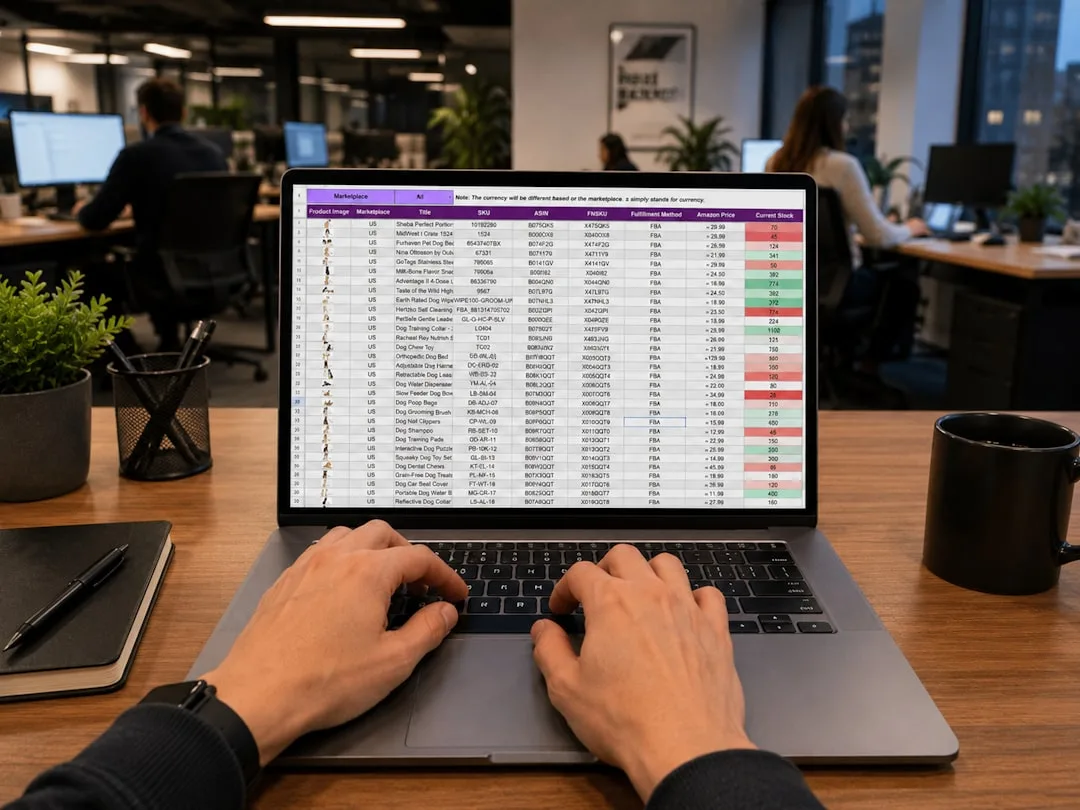
You don't need expensive software. Here's how to build your own calculator in a spreadsheet:
- Open Google Sheets or Excel.
- In column A, list your customers (or use an anonymous ID).
- In column B, list their total purchases in a year.
- In column C, list the total revenue from each customer that year.
- In column D, calculate average purchase value = C / B.
- In column E, calculate purchase frequency = B / 1 (since it's per year).
- Estimate customer lifespan (e.g., all customers you've had for at least 2 years, how many are still active?).
- Calculate CLV per customer: D × E × lifespan.
- Average all CLVs for your overall number.
That's it—a simple, free CLV calculator built from your own data.
How to Improve CLV (Actionable Tips)
Ready to boost your CLV? Try these strategies:
- Increase purchase frequency: Send targeted email campaigns, offer subscription models, or remind customers to reorder.
- Increase average order value: Upsell, cross-sell, or bundle products. Offer free shipping on orders over a certain amount.
- Extend customer lifespan: Implement a loyalty program, ask for feedback, and resolve complaints quickly.
- Reduce churn: Identify why customers leave and address those issues. A simple "we miss you" email with a discount can win back lost customers.
Frequently Asked Questions
What is a good CLV for a small business?
A "good" CLV varies by industry. The key is that CLV should be at least 3 times your customer acquisition cost. If you're spending $50 to acquire a customer, aim for a CLV of $150 or more.
How often should I recalculate CLV?
At least quarterly, or whenever you make a major change to pricing, products, or marketing. Regular recalculation helps you spot trends and adjust quickly.
Can I calculate CLV with only a few months of data?
Yes, but your lifespan estimate will be less accurate. Use your churn rate from those months to project lifespan. Update as you get more data.
Do I need to track every customer individually?
For a basic CLV, you can use averages. But segmenting by customer type (e.g., online vs. in-store) gives better insights. Use your point-of-sale or CRM data.
Key Takeaways
- Customer Lifetime Value (CLV) is the total net profit a customer brings over their entire relationship with your business.
- The basic formula: Average Purchase Value × Purchase Frequency × Customer Lifespan.
- For more accuracy, include gross margin: (Avg Purchase Value × Gross Margin) × Frequency × Lifespan.
- Use CLV to set affordable customer acquisition costs and prioritize retention.
- Build your own free CLV calculator in a spreadsheet using your actual sales data.
- Improve CLV by increasing frequency, order value, or customer lifespan—even small changes make a big difference.