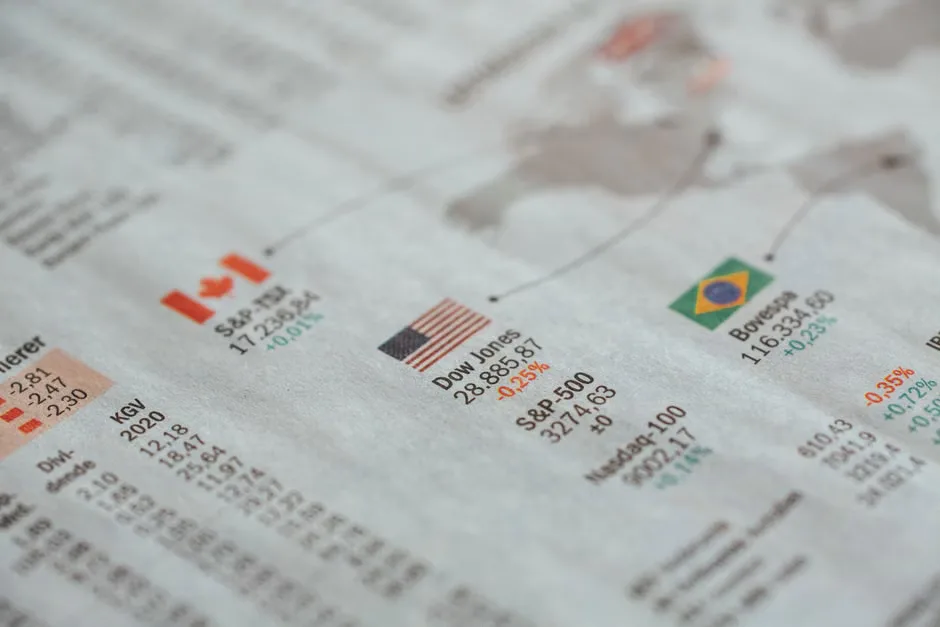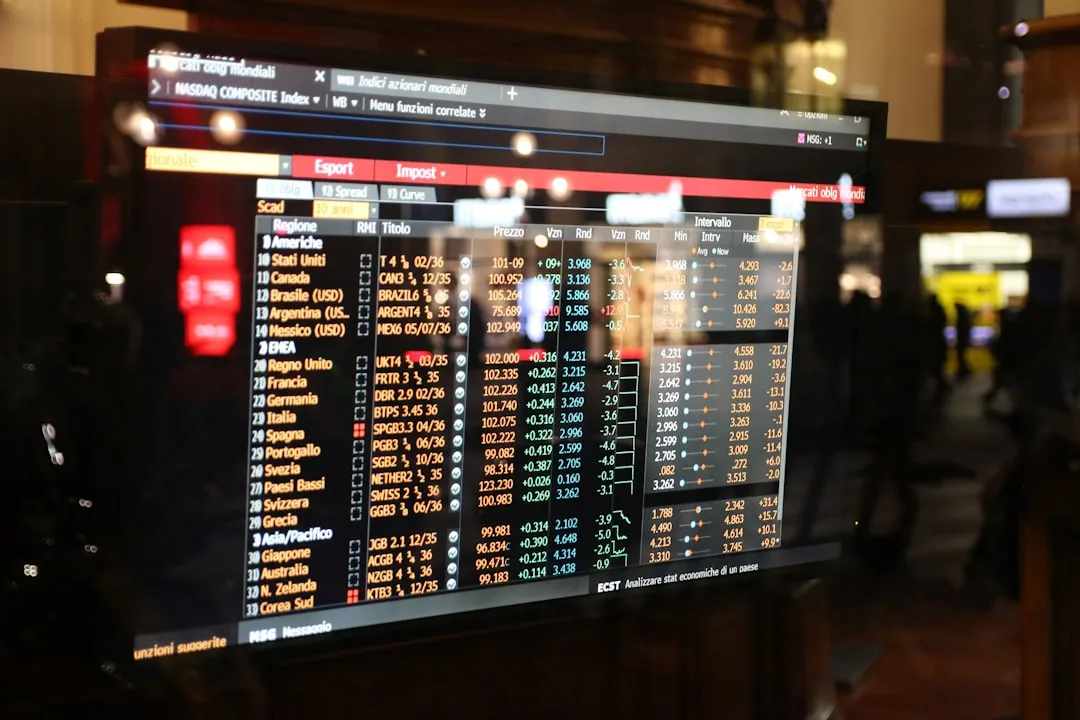
U.S. stocks ended higher as investors welcomed a cooler-than-expected inflation report for June and drew encouragement from strong early earnings from major banks. The S&P 500 and the Nasdaq both closed in positive territory, while sentiment across Wall Street improved on hopes that easing price pressures could support a more favorable path for interest rates.
Fresh consumer price data showed inflation slowed more than analysts expected in June, helped in part by lower gasoline prices. The report suggested that price growth continues to moderate after a prolonged period of elevated inflation, giving investors another sign that the Federal Reserve may be gaining traction in its effort to bring inflation closer to its long-term target.
Markets closely track inflation readings because they can shape the central bank’s decisions on borrowing costs. A softer inflation print tends to raise confidence that policymakers may be able to pause or eventually reduce rates if economic conditions allow. That prospect often benefits growth-oriented sectors, including technology, which helped support the Nasdaq.
Bank earnings also added momentum to the session. Results from large financial institutions were seen as broadly solid, offering reassurance that parts of corporate America remain resilient even as consumers and businesses adjust to higher borrowing costs. Investors often treat major bank earnings as an early indicator for the broader reporting season because they can provide insight into loan demand, credit quality and overall economic activity.
Financial shares were among the groups in focus as traders assessed whether strong earnings could offset concerns about slowing growth later in the year. Better-than-expected bank performance suggested that core parts of the financial system remain stable, even as executives continue to watch for pressure from commercial real estate, consumer debt trends and a still-restrictive rate environment.
At the same time, investors weighed company-specific moves across the market. Gains in several large-cap names helped keep the broader indexes afloat, though some individual stocks limited the advance. Even so, the overall tone remained constructive as markets interpreted the combination of moderating inflation and firm earnings as supportive for risk assets.
The latest session underscores how closely Wall Street is balancing economic data against corporate performance. If inflation continues to cool without a sharp deterioration in growth, investors may see a path toward lower policy rates and steadier profit expectations. For now, the combination of easing price pressures and healthy bank results gave the market enough confidence to extend gains.
Why investors are watching the next data releases
Attention now turns to upcoming economic reports and additional quarterly earnings. Investors will be looking for confirmation that inflation is continuing to trend lower and that companies can sustain profits in a higher-cost environment. Any signs of renewed price pressure or weaker-than-expected guidance could quickly shift sentiment, but the latest data offered a constructive backdrop for U.S. equities.
Key questions
- Why did the S&P 500 and Nasdaq rise after the inflation report?
- Investors responded positively to June inflation data that came in cooler than expected, which raised hopes that the Federal Reserve may face less pressure to keep interest rates high for longer.
- How do bank earnings affect the broader stock market?
- Large bank results are often seen as an early read on the economy and corporate health. Strong earnings can improve confidence in lending activity, consumer finances and overall business conditions.