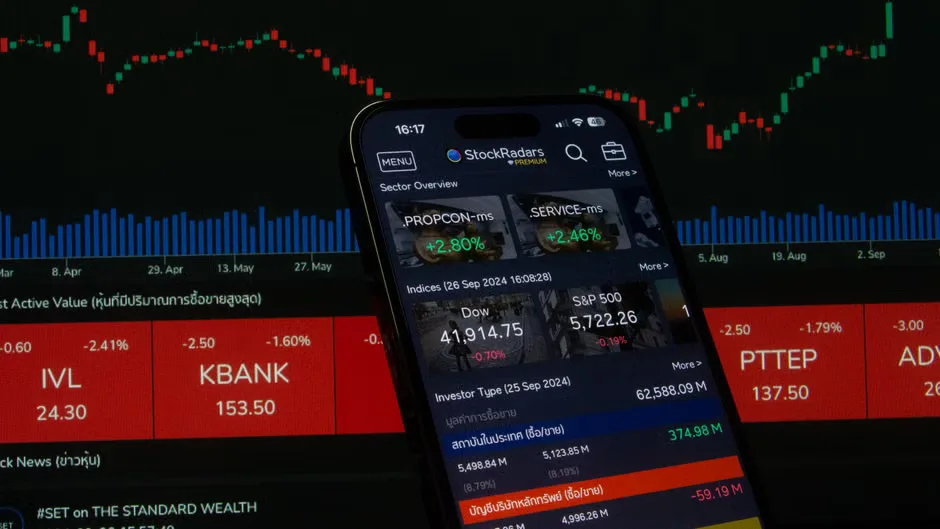

Oil prices moved higher Monday after the latest fighting in the Middle East added to investor concerns about the risk of disruptions to global energy supplies, while a decline in artificial intelligence-related shares weighed on U.S. stock indexes.
Traders have been watching the region closely for signs that tensions could threaten crude production or shipping routes. Even when supplies remain unchanged, renewed conflict can lift oil prices as markets factor in the possibility of future interruptions and higher transportation costs.
The move in crude came as investors also shifted away from some of the markets biggest technology winners. Shares tied to the AI boom, which have helped drive much of the markets gains over the past year, came under pressure as traders reassessed valuations and took profits after a strong run.
The combination created a split market dynamic. Energy companies were among the stronger performers as higher crude prices improved the outlook for revenue and profits. At the same time, weakness in large technology names limited gains for broader indexes and pulled down parts of the Nasdaq.
Oil market reacts to geopolitical risk
Oil prices often respond quickly to military flare-ups in the Middle East because the region plays a central role in global crude production and exports. Investors are especially sensitive to any developments that could affect major producers or key transit chokepoints used to move oil to international markets.
Market analysts said the latest advance reflected a risk premium rather than clear evidence of immediate supply losses. Still, geopolitical shocks can change sentiment quickly, particularly when global inventories are tight or when traders are already alert to inflation risks.
Higher energy prices can ripple through the economy by raising fuel and transportation costs for businesses and households. If sustained, they can also complicate the outlook for inflation and interest rates, both of which remain major concerns for financial markets.
AI stock pullback pressures equities
On Wall Street, investors turned more cautious toward AI-linked companies after months of outsized gains. The retreat highlighted how heavily broader market performance has depended on a relatively small group of technology stocks.
While enthusiasm for AI remains strong, some investors appear to be questioning whether recent share-price gains have outpaced near-term earnings expectations. That can lead to sharper swings, especially in high-growth sectors where valuations are sensitive to changes in sentiment, bond yields or corporate guidance.
The result was a market session shaped by two competing forces: rising oil prices that boosted energy shares and concerns about expensive technology stocks that pulled major indexes in the opposite direction. Investors will likely continue monitoring both developments in the days ahead, watching for further signs of escalation in the Middle East and for fresh signals about the durability of the AI-driven rally.
Key questions
- Why do oil prices rise during fighting in the Middle East?
- Oil prices can rise because traders fear conflict could disrupt crude production, exports or shipping routes in a region that is critical to global energy supplies.
- Why are AI stocks affecting the broader market?
- AI-related companies have become some of the largest and most influential stocks in major indexes, so sharp moves in those shares can significantly sway overall market performance.