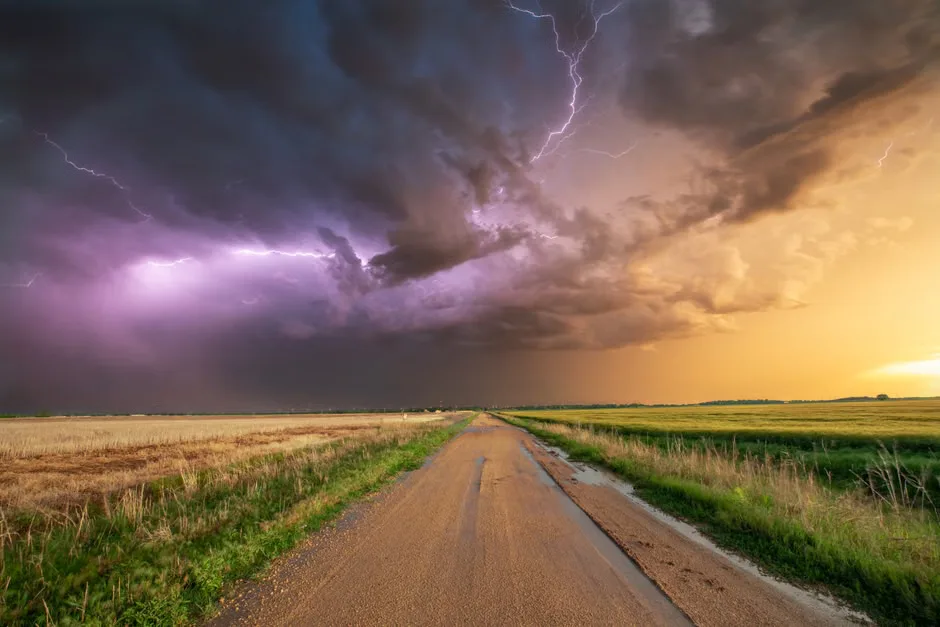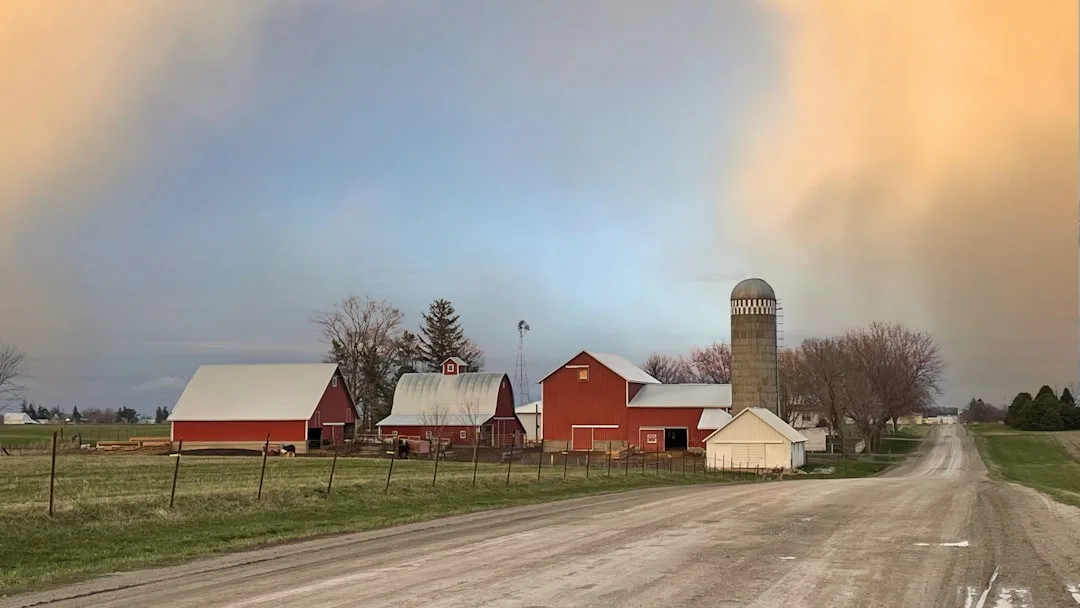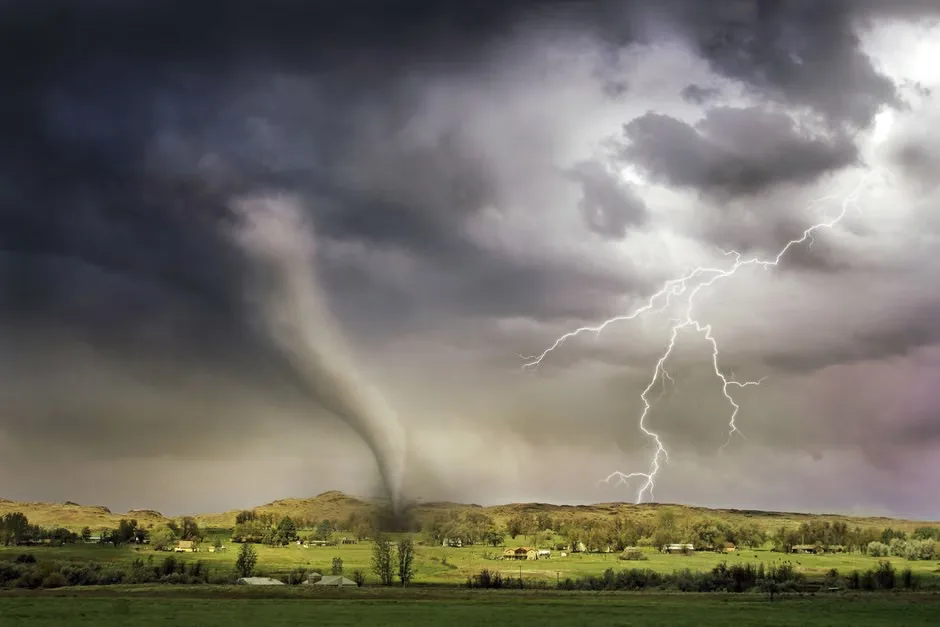
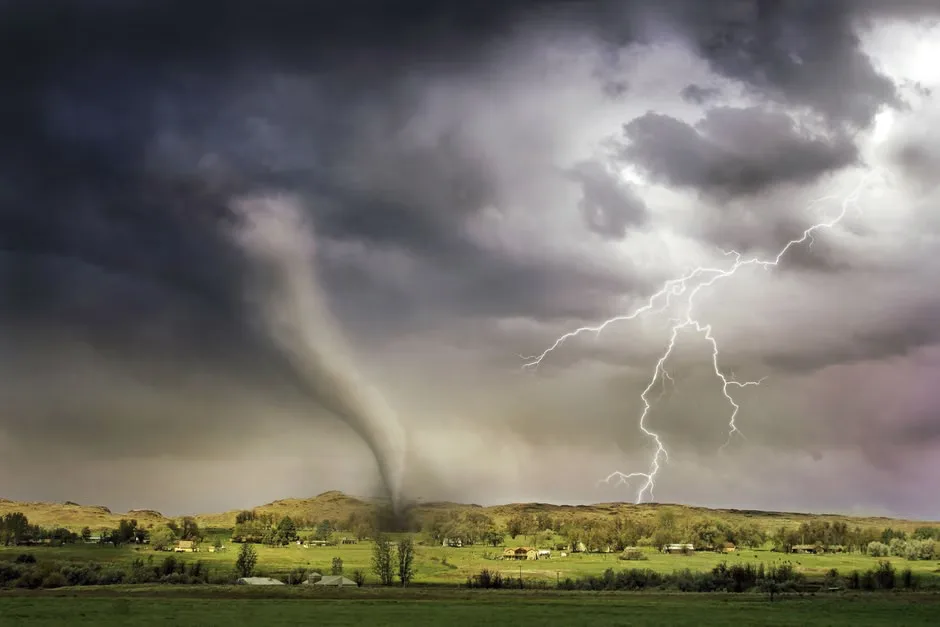
Severe storms struck the Chicagoland region on Tuesday afternoon, prompting multiple tornado warnings and reports of damaging winds across Cook, DuPage, and Will counties. The National Weather Service issued alerts as thunderstorms developed along a strong cold front moving through the Midwest.
According to the National Weather Service, wind gusts reached up to 70 mph in some areas, with radar indicating rotation that led to tornado warnings in LaSalle County and surrounding regions. Over 50,000 customers experienced power outages as trees and power lines were downed by the intense winds.
This is a dangerous situation with the potential for significant damage, said meteorologist Amy Freeze of FOX 32 Chicago. Residents should take shelter immediately if a warning is issued for their area and avoid travel until the storms pass.
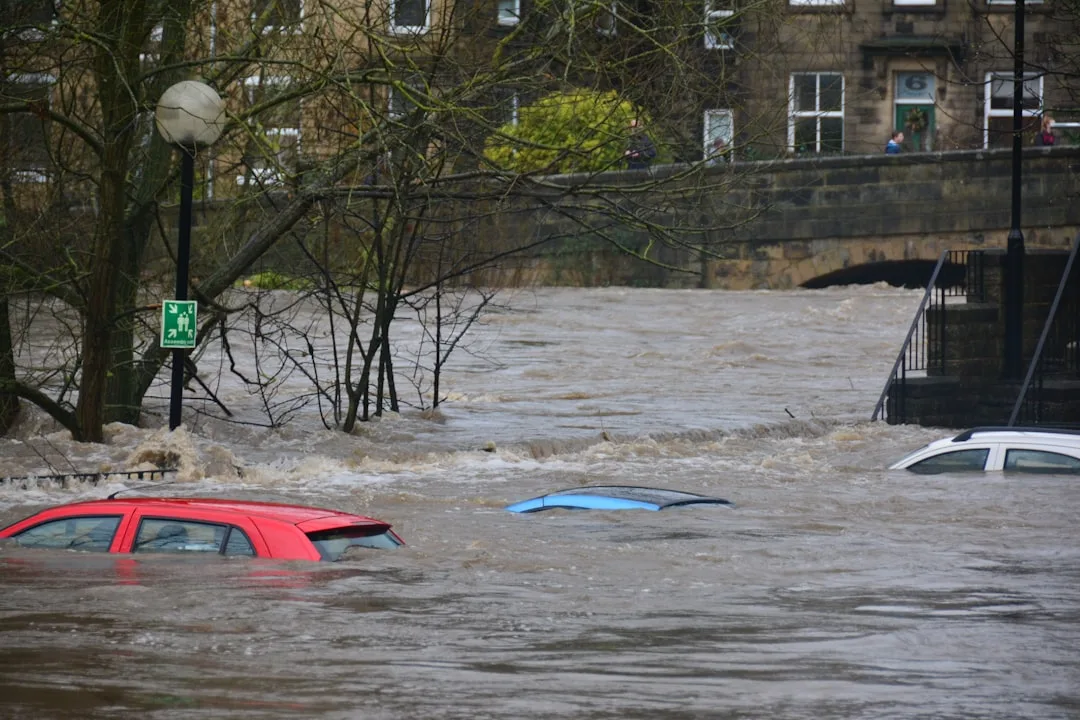
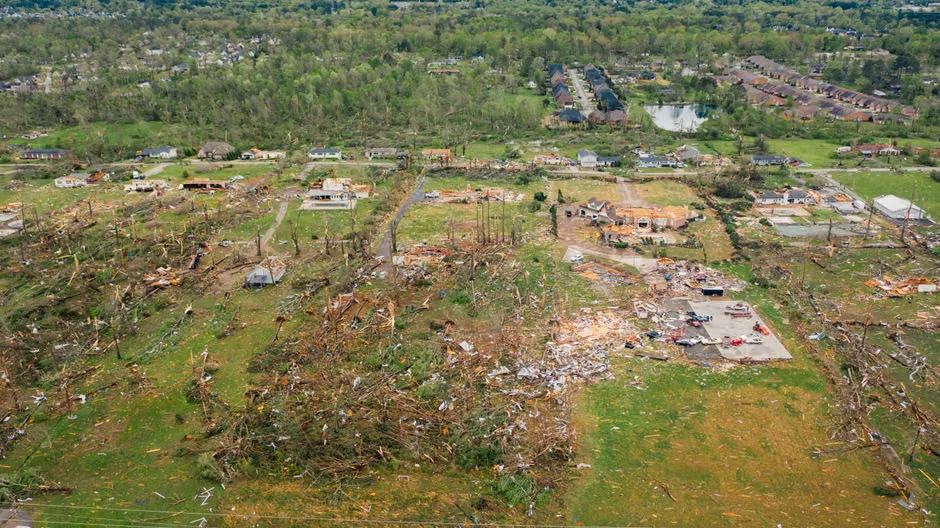
Emergency management officials reported scattered structural damage, particularly in suburban areas where fallen trees damaged homes and vehicles. Local authorities urged residents to stay indoors and avoid driving through flooded roadways, noting that flash flooding remained a concern even after the main storm line passed.
The storm system is expected to move eastward overnight, bringing continued rain but diminishing severe weather threats. However, saturated ground conditions may lead to additional flooding concerns in low-lying areas through Wednesday morning.
Severe weather events like this are becoming more frequent in the Midwest during spring months, according to climatological data. The increased atmospheric instability and moisture content contribute to stronger thunderstorm development, particularly when strong jet stream dynamics align with surface boundaries.
Severe Storms Hit Chicagoland
Looking ahead, the National Weather Service forecasts a gradual improvement in conditions by Wednesday, with decreasing rain chances and more seasonal temperatures returning to the region. Residents are advised to remain alert for any additional watches or warnings that may be issued as the system exits the area.
For ongoing updates, residents should monitor local news outlets and official weather channels. The American Red Cross recommends keeping emergency kits prepared and having multiple ways to receive weather alerts, especially during peak severe weather season from March through June in Illinois.
Key questions
- What areas were most affected by the severe storms in Chicagoland?
- The storms impacted Cook, DuPage, and Will counties most severely, with reports of damaging winds up to 70 mph, downed trees and power lines, and scattered structural damage. Over 50,000 customers lost power during the event, particularly in suburban areas where trees fell on homes and vehicles.
- Are tornado warnings still in effect for the Chicago area?
- The initial tornado warnings have expired as the storm system moved eastward, but residents should remain alert for any new warnings that could develop. The National Weather Service continues to monitor the region for potential flooding concerns due to saturated ground conditions from the heavy rainfall.