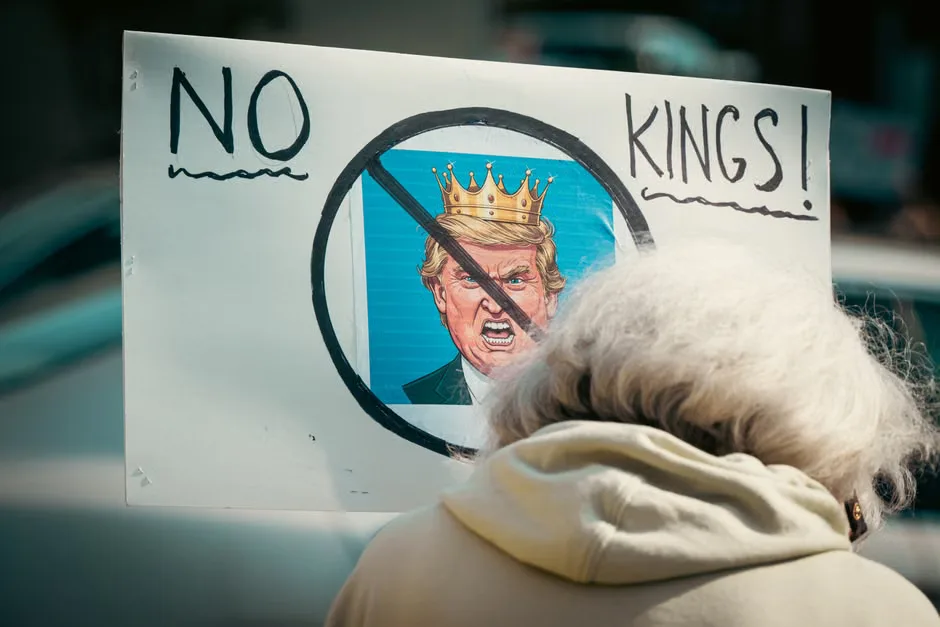
Political cartoonists nationwide released their latest illustrations this week, offering sharp visual takes on the most consequential events in American politics. From heated debates on Capitol Hill to campaign rallies across key battleground states, artists used satire to distill complex developments into accessible commentary.
According to the Association of American Editorial Cartoonists, over 75% of its members reported focusing on congressional dysfunction and election integrity themes in their recent work, reflecting widespread public concern about institutional performance.
We’re not just drawing jokes — we’re documenting history in real time, said Matt Wuerker, Pulitzer Prize-winning cartoonist for Politico, in a syndicated interview. When words fail, images can cut through the noise and show people what’s really at stake.
The cartoons highlighted a range of topics, including partisan gridlock over budget negotiations, the influence of special interest groups in policymaking, and the evolving strategies of presidential candidates as they court swing voters. Several artists depicted lawmakers as disconnected from everyday Americans, using metaphors like ivory towers and broken bridges to illustrate the perceived gap between officials and constituents.
Other illustrations focused on the role of media and misinformation, showing how conflicting narratives spread across platforms affect voter perception. One widely shared cartoon portrayed a voter overwhelmed by opposing headlines, symbolizing the challenge of navigating today’s information environment.
Political Cartoonists Reflect on Democracy in Action
Beyond immediate reactions, many cartoonists used their platforms to explore deeper questions about the health of American democracy. Recurring motifs included scales of justice tipping unevenly, voting booths shrouded in fog, and candidates speaking through megaphones while the public struggles to hear.
These visual metaphors underscore a growing concern among commentators about transparency, accountability, and civic engagement. By employing humor and exaggeration, cartoonists aim to provoke reflection without alienating audiences across the political spectrum.
Looking ahead, editors at major syndicates anticipate increased demand for political illustration as the election cycle intensifies. Cartoonists say they plan to continue monitoring policy debates, campaign finance developments, and international diplomacy, adapting their styles to meet the moment while maintaining editorial independence.
As visual journalism evolves, political cartoons remain a distinctive form of commentary — one that blends artistry with insight to help the public make sense of complex events. Their work serves not only as critique but also as a historical record of how society interprets its leaders and institutions during pivotal moments.
Key questions
- What role do political cartoonists play in shaping public understanding of current events?
- Political cartoonists use satire and visual metaphor to simplify complex political issues, highlight contradictions, and encourage critical thinking. Their work often appears in newspapers and online platforms, offering commentary that complements traditional news reporting by appealing to emotion and intuition.
- How do cartoonists decide which political events to illustrate each week?
- Cartoonists typically focus on events with broad public impact, such as legislative decisions, campaign developments, or executive actions. They look for moments that reveal underlying tensions, hypocrisy, or change, using exaggeration and symbolism to convey perspectives that might be difficult to express in words alone.