Minnesota voters headed to the polls today in a high-stakes gubernatorial election that could shape the state’s direction on education, healthcare, and economic policy. Live results are flowing in from precincts across the state, with early indications showing a tight race between the incumbent and their challenger.
According to the Minnesota Secretary of State’s office, voter turnout is projected to reach approximately 65% of eligible voters, matching turnout levels from the 2018 gubernatorial election. This level of engagement underscores the significance of the contest in shaping state governance.
Every vote counts in an election this close, said Dr. Linda Chen, political science professor at the University of Minnesota. The outcome will determine not only who leads the state but also the policy agenda for the next four years on issues ranging from climate action to workforce development.
Analysts note that suburban districts in the Twin Cities metro area are proving pivotal, with shifting voter preferences potentially tipping the balance. The candidates have diverged sharply on issues such as public safety funding, school curriculum standards, and access to affordable housing.
Meanwhile, rural counties are reporting strong support for the challenger, particularly in regions concerned about agricultural regulation and broadband access. These regional divides reflect broader national patterns seen in recent state-level elections.
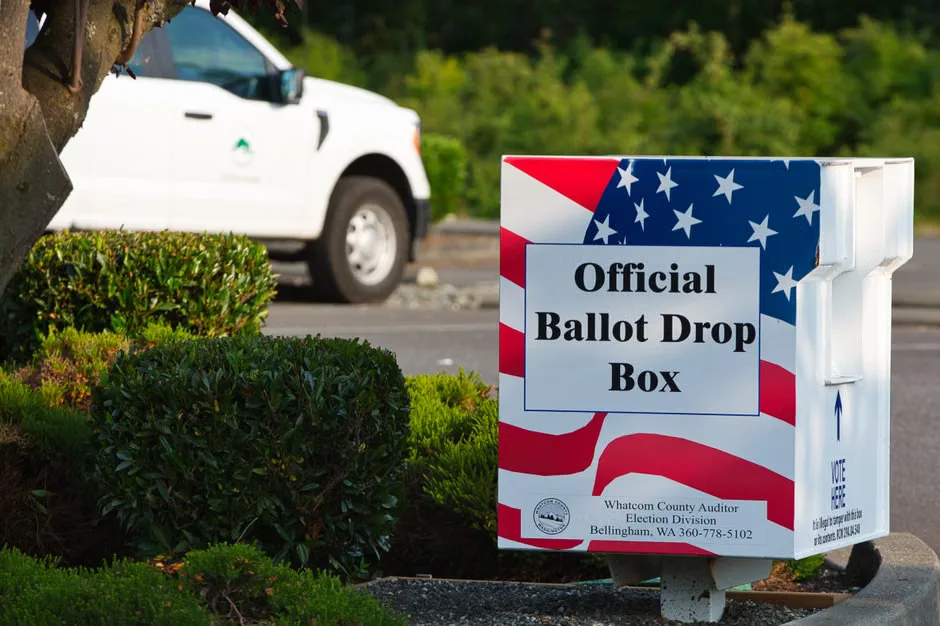
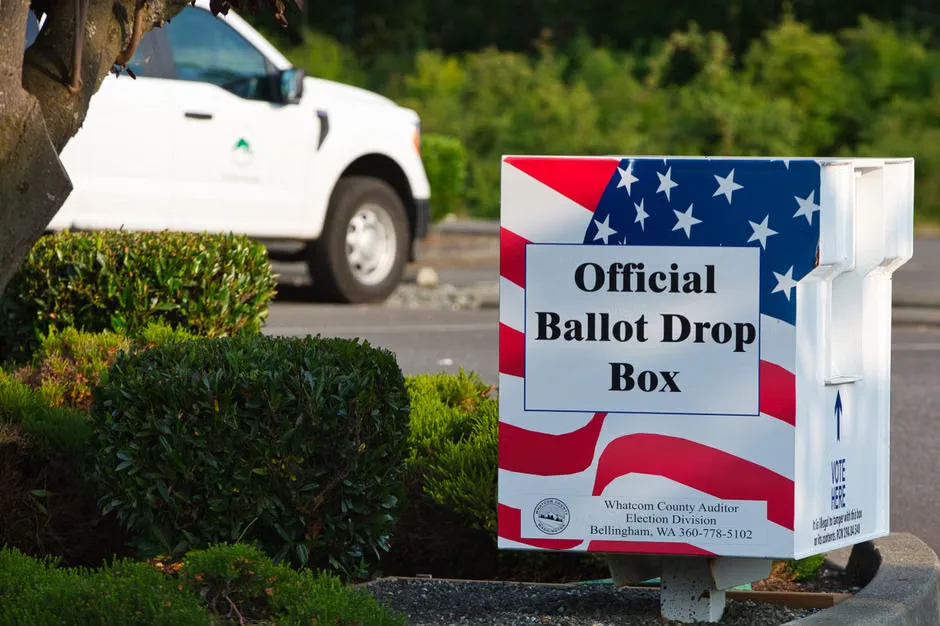
As vote counting continues, election officials emphasize that all ballots will be processed according to state law, including mail-in votes received by the deadline. Transparency measures are in place to ensure public confidence in the results.
Minnesota Governor Race Live Results
Historically, Minnesota gubernatorial elections have served as bellwethers for Midwestern political trends, with the state often reflecting broader shifts in voter sentiment. Past races have seen surprises in both urban and rural strongholds, making real-time monitoring essential for understanding the evolving landscape.
Looking ahead, the winner will face immediate challenges including a projected state budget shortfall and ongoing debates over police reform and environmental regulation. The transition period will begin immediately after results are certified, with inauguration set for early January.
Regardless of outcome, election administrators stress the importance of civic participation and encourage voters to verify their registration and polling place information through official state channels. The integrity of the process remains a top priority for officials overseeing the vote count.
Key questions
- When will the official results of the Minnesota governor’s race be certified?
- Official results will be certified by the Minnesota State Canvassing Board after all votes, including absentee and mail-in ballots, are processed and reviewed. Certification typically occurs several weeks after Election Day to ensure accuracy and compliance with state law.
- How does voter turnout in this election compare to past Minnesota gubernatorial races?
- Projected turnout of approximately 65% matches the level seen in the 2018 gubernatorial election and reflects strong civic engagement. Historical turnout in Minnesota gubernatorial races has ranged from 55% to 70% over the past two decades, depending on national political climate and ballot initiatives.