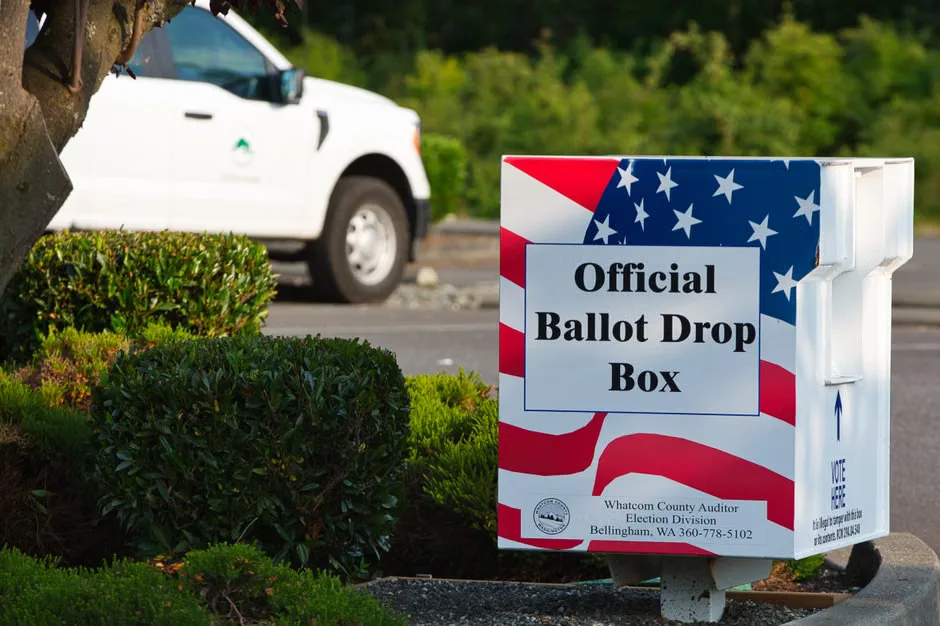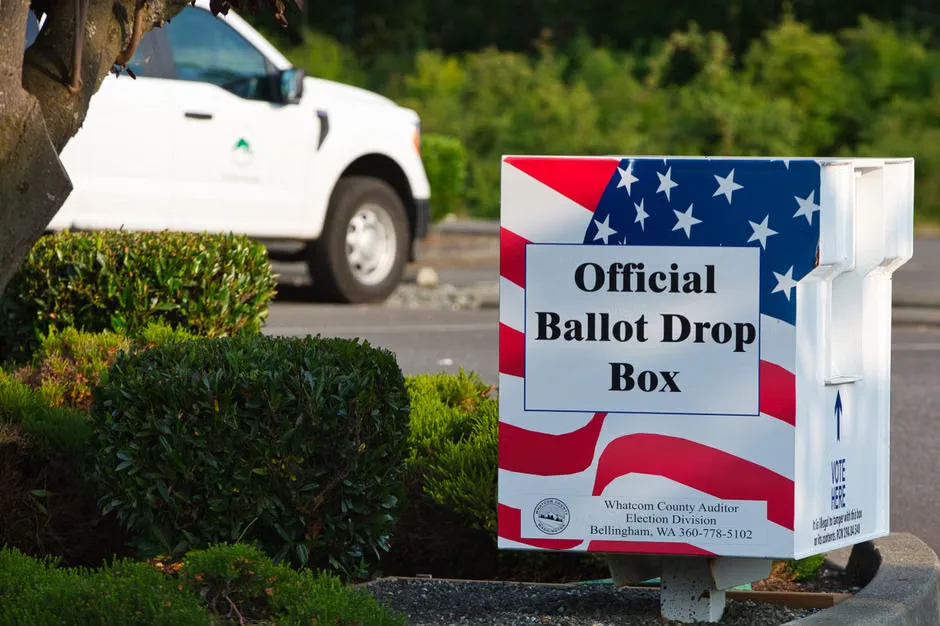
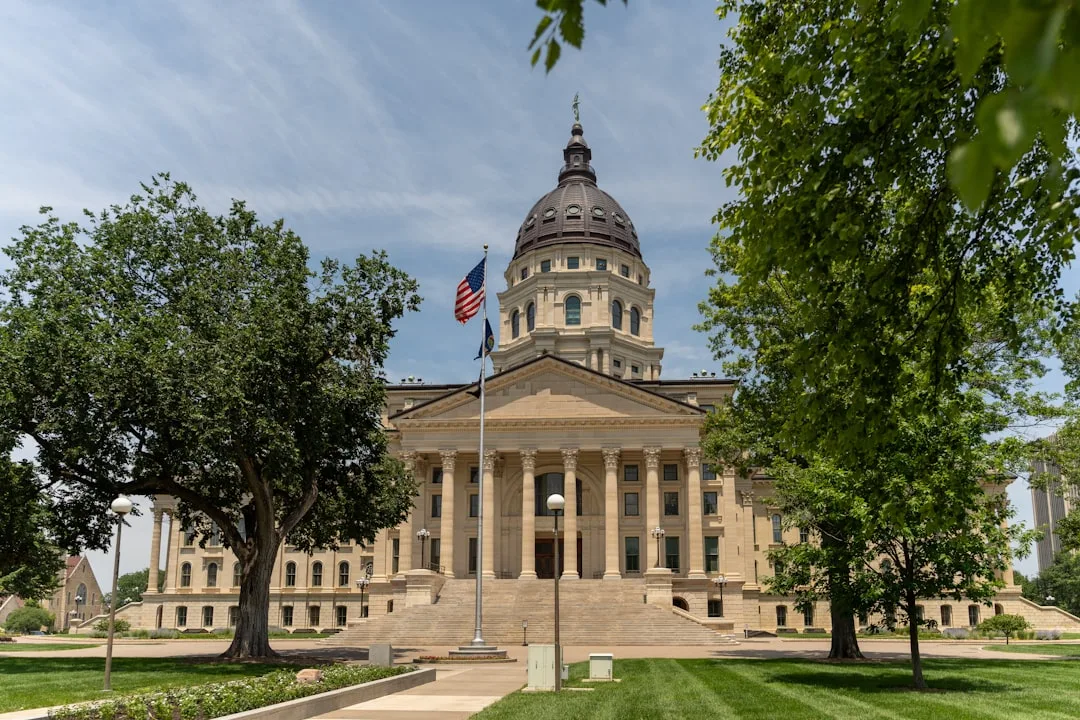
Kansas primary election results are set to redefine the state's political alignment as the 2026 cycle begins. These contests will determine which candidates advance to the general election for critical state and federal positions, reflecting the current priorities of the electorate.
The state continues to navigate a complex political environment where rural conservatism meets growing urban liberalism (Kansas Secretary of State). This tension often manifests in primary battles that test the ideological boundaries of both major parties.
Political observers note that the primary outcomes will likely reflect internal party tensions regarding fiscal policy and social issues, suggesting a period of transition for state leadership.
The Republican primary is expected to be a significant battleground for the party's ideological direction. Candidates are likely to focus on deregulation and agricultural support to secure the rural base, while balancing the needs of growing suburban areas. This internal competition often determines whether the party leans toward a more populist or traditional conservative approach.
Meanwhile, the Democratic primary will likely center on expanding healthcare access and education funding. The party aims to mobilize younger voters in collegiate hubs like Lawrence and the metropolitan areas of Wichita and Kansas City. Success in these primaries depends on the party's ability to build a broad coalition that appeals to both urban progressives and moderate rural voters.
Analyzing Kansas Primary Election Results
The influence of the agricultural sector remains a dominant force in Kansas politics, often dictating the success of candidates who can demonstrate a commitment to farming interests. However, the shift toward a more diversified economy in the state's cities is creating new voting blocs that candidates can no longer ignore.
Furthermore, the 2026 cycle is viewed as a critical test for incumbent legislators who must defend their records amidst changing economic conditions. The primary results will provide a clear indicator of whether the electorate is seeking stability or a fundamental change in governance.
Following the primary, both parties will pivot toward general election strategies to capture undecided swing voters. The focus will shift from ideological purity to broad appeal, as candidates attempt to secure a majority in a state that remains a key bellwether for Midwestern trends.
Kansas remains a central figure in the Midwest political corridor, often reflecting broader national shifts in conservative governance and voter behavior. The state's electoral patterns provide essential data for understanding the health of the two-party system in the heartland.
Key questions
- When are the Kansas primary elections typically held?
- Kansas primary elections are generally held in August. This timing allows parties to finalize their nominations before the November general election.
- Who is eligible to vote in the Kansas primaries?
- Registered voters in Kansas are eligible to participate. Depending on the specific election rules, voters may be required to be affiliated with a party to vote in that party's primary.