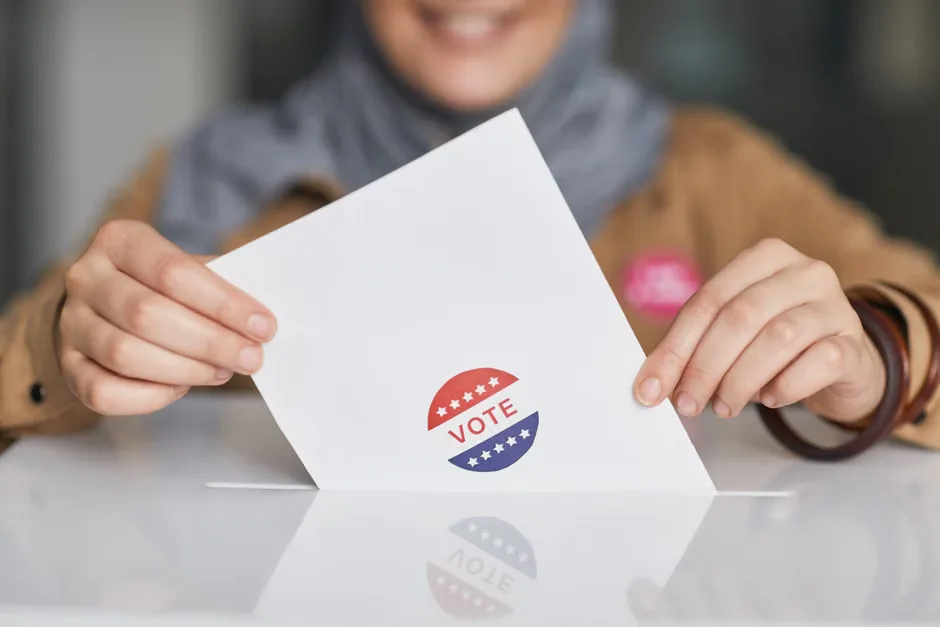
Only 3% of Vermonts registered voters have cast their ballots ahead of the states primary election, according to recent data published by VTDigger. The low turnout figure reflects ongoing trends in off-year and primary elections where early voting participation often lags behind general election cycles.
Vermont Secretary of State's office reported that approximately 20,000 ballots had been submitted through early voting channels out of a total of over 650,000 registered voters statewide. This statistic underscores the challenge of voter engagement in non-presidential election years, even in a state historically known for high civic participation.
We typically see stronger early voting numbers in general elections, especially presidential years, said Phil Scott, Vermont's Secretary of State, in a statement to VTDigger. Primary elections tend to draw more focused party bases, which can result in lower overall early turnout despite competitive races.
Analysis of historical voting patterns shows that Vermont's early voting participation in primaries has consistently remained below 10% over the past decade. Factors contributing to this trend include limited awareness of early voting options, fewer high-profile statewide races on the ballot, and the timing of the primary during late summer when voter attention may be diverted.
Election officials note that while early voting numbers are low, in-person turnout on election day often compensates for the gap. In the 2022 primary, early voting accounted for roughly 15% of total votes, with the remainder cast at polling stations on election day, suggesting a preference among Vermonters for traditional voting methods.
Looking ahead, election administrators are exploring ways to increase early voting accessibility, including expanded drop-box locations and targeted outreach campaigns. However, any significant shift in voting behavior would likely require sustained public education efforts and potential changes to state election law.
Vermont has maintained same-day voter registration and no-excuse absentee voting since 2020, policies designed to increase electoral access. Despite these measures, primary election engagement continues to reflect national trends of lower participation compared to general elections, particularly in off-year cycles.
Vermont Early Voting Trends
Historically, Vermont has experienced fluctuating but generally modest early voting rates in primary elections. Since the expansion of mail-in voting options in 2020, early voting has gradually increased, though it remains secondary to in-person election day voting for most residents. The state's small population and town-meeting tradition contribute to a political culture where community-based voting on election day holds cultural significance.
Nationally, early voting in primaries averages between 20% and 30%, placing Vermont significantly below the national benchmark. Comparative data from states like Colorado and Washington, which have universal mail-in voting, show early voting rates exceeding 60% in primary elections. Vermont's current approach relies on voluntary early voting rather than automatic ballot distribution, which may explain the disparity in participation levels.
Key questions
- What percentage of Vermont registered voters have voted early in the primary election?
- Only 3% of Vermont's registered voters have cast their ballots ahead of the primary election, according to data reported by VTDigger from the Secretary of State's office.
- How does Vermont's early voting turnout compare to national averages in primary elections?
- Vermont's 3% early voting turnout is significantly below the national average of 20% to 30% for primary elections, reflecting lower pre-election day participation despite accessible voting policies.